Vitamins & Supplements 2026: How to Choose What's Worth It and Safe

Walk into any pharmacy or scroll your phone today and you'll meet hundreds of supplement brands promising clearer skin, stronger immunity, better sleep, a flatter stomach, even "anti-ageing". The question most people are asking in 2026 is simple: which ones do I actually need, which are a waste of money, and how do I take them safely? This article answers all of that in one place, grounded in the evidence rather than the hype — from who truly "needs" supplements, to which have real support and which are just trends, how to read a label and verify the Thai FDA (อย.) number, safe dosing, and the mistakes that cost you both money and health.
Important note: This article is for general understanding, not personalized medical advice. Supplements are not medicines and cannot cure disease. If you have an underlying condition, take regular medication, are pregnant or breastfeeding, or are unsure, always consult a doctor or pharmacist first.
"Food first, pills second" — the principle to set before anything else
The whole subject of vitamins boils down to two words: food first. The human body is built to absorb nutrients best from real food, because fruit, vegetables, fish, eggs and nuts contain not just a single vitamin but fibre, antioxidants and thousands of phytochemicals that work together — something an isolated pill cannot fully replicate.
That's exactly why large studies repeatedly find that taking vitamins as pills to "prevent disease" in healthy people rarely delivers what the ads promise, while people who regularly eat colourful fruit and vegetables are clearly healthier. A supplement should do what its name says — supplement the spots where ordinary food genuinely falls short, not replace a good diet.
Supplements do have real value in specific situations — when the body is genuinely deficient in something, when you can't eat certain food groups (such as vegans), or during life stages of higher demand (pregnancy, old age). But for the average person who eats a balanced diet, pouring money into a pile of supplements usually returns less than putting that same money into fresh vegetables, fruit and fish.
 Photo: via Openverse (CC) — "Food first": colourful produce delivers vitamins along with fibre and phytochemicals a pill can't copy
Who actually "needs" supplements
Instead of asking "should I take vitamins?", ask "am I in a group at risk of deficiency?" — because supplements only pay off when they fill a real gap. The groups with a clear medical rationale are:
- Pregnant women or those planning pregnancy — need folate (folic acid) before and during pregnancy to lower the risk of neural-tube defects in the baby, plus iron and iodine. This is the group with the strongest evidence of all.
- Older adults — absorption of vitamin B12 declines with age and many eat less, so they may need B12, vitamin D and calcium for bone health.
- Vegetarians/vegans — at risk of lacking vitamin B12 (found only in animal foods), iron, zinc and omega-3, so should at least supplement B12.
- People who get almost no sun — working indoors all day, covering up or wearing sunscreen constantly raises the risk of vitamin D deficiency, even in a hot, sunny country like Thailand.
- Menstruating women with anaemia — may need iron on a doctor's advice (don't self-prescribe casually, as excess iron is toxic).
- Certain patients or post-surgery — e.g. after weight-loss surgery or with malabsorption conditions, supplementing as prescribed.
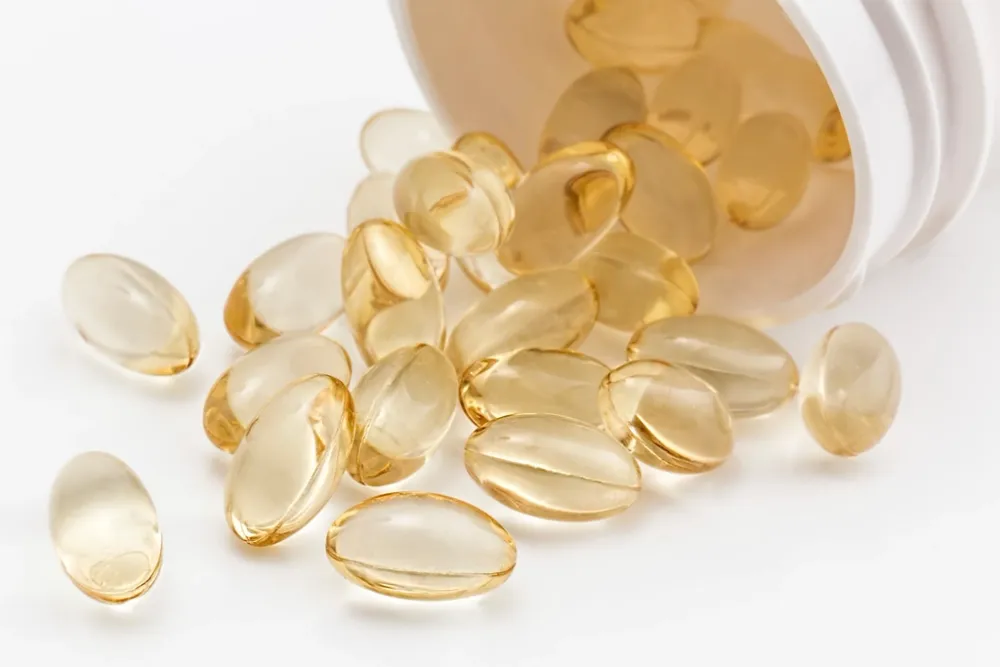 Photo: via Openverse (CC) — Choose supplements for the gaps your body genuinely has, not by buying a bundle the ads push
A key note for people in the tropics: we tend to assume "hot country, lots of sun, no way I'm low on vitamin D" — but in reality many city dwellers are deficient because they live indoors, commute by car, and avoid the sun to keep their skin pale. Just 10–15 minutes of gentle morning sun on the arms and legs lets the body make its own vitamin D for free.
What has "evidence" vs what's "just a trend"
This is the part people ask about most. Here we group supplements by the weight of scientific evidence as of 2026, in plain terms.
| Supplement | Evidence level | In short |
|---|---|---|
| Folate (pregnancy) | Very strong | Clearly reduces neural-tube defects — essential |
| Vitamin B12 (vegan/elderly) | Strong | Prevents a deficiency that genuinely occurs in at-risk groups |
| Vitamin D (if deficient) | Moderate | Worth it if a blood test shows you're low — not for everyone |
| Iron (if anaemic) | Strong (specific group) | Needed if diagnosed anaemic; don't self-prescribe |
| Fish oil / omega-3 | Moderate–weak | Eating real fish is better; supplement benefit is limited |
| Magnesium | Moderate | May help sleep/cramps in those who are low |
| Probiotics | Moderate (specific) | Evidence for some gut conditions, not for everyone |
| Collagen | Weak–moderate | Small studies show slightly better skin hydration — no miracle |
| Multivitamin (prevention) | Weak | Not shown to reduce cancer/heart disease in healthy people |
| High-dose vitamin C (colds) | Weak | Doesn't prevent colds; may shorten them slightly at most |
| Beta-carotene / vitamin E (prevention) | Negative | Recommended to "avoid" — no benefit, real harm |
Let's look at the ones people care about most in detail.
Vitamin D and fish oil — the VITAL trial, a large randomized study of over 25,000 people (vitamin D 2,000 IU/day and omega-3 1 g/day for a median 5.3 years), found that neither reduced cancer or cardiovascular events overall. There were only secondary hints in subgroups (e.g. people who eat little fish might benefit from omega-3 for heart attacks), but the researchers themselves stressed these were merely "hypothesis-generating". The lesson: if you aren't genuinely deficient in vitamin D, supplementing won't make you "extra healthy".
Multivitamins — the U.S. Preventive Services Task Force (USPSTF) concluded in 2022 that the evidence is insufficient to recommend for or against multivitamins to prevent cancer or heart disease in the general public. In other words, they're neither "essential" nor "guaranteed value" for healthy people.
Beta-carotene and vitamin E — this is the case where "more becomes harm". The USPSTF recommends avoiding beta-carotene supplements for disease prevention because, on top of having no benefit, high-dose beta-carotene actually raises lung-cancer risk in smokers. Vitamin E showed no net benefit either. The better route is to get them from orange and dark-green produce instead.
Collagen and the 2026 trends — collagen, creatine, magnesium and probiotics are the market's rising stars this year. Some have decent evidence: in small studies, 1 g/day of collagen for 12 weeks reduced skin dryness and slightly reduced wrinkles, and magnesium glycinate may help sleep in those who are low. But the words "may" and "slightly" matter — don't expect life-changing results, and remember that the studies cited are often funded by the makers.
Water-soluble vs fat-soluble vitamins — why it matters
This distinction directly affects safety. Vitamins fall into two big groups:
- Water-soluble (B-complex, vitamin C) — the body stores little, and the excess is passed in urine, so they're harder to overdose on (but not unlimited — high-dose B6 over time can cause nerve damage).
- Fat-soluble (A, D, E, K) — stored in the liver and body fat and cleared slowly, so they're much easier to become toxic if you take too much for too long.
This is why "take loads, just in case" is a dangerous mindset for the fat-soluble group. The table below shows the upper limits to watch (for average adults — these are safety ceilings, not targets to hit).
| Nutrient | Upper limit (adults) | Symptoms of excess |
|---|---|---|
| Vitamin D | 4,000 IU (100 mcg)/day | High blood calcium, nausea, kidney damage |
| Vitamin A | ~3,000 mcg RAE/day | Headache, dry skin, liver damage, weak bones |
| Vitamin E | 1,000 mg/day | Easy bleeding (interferes with clotting) |
| Iron | 45 mg/day | Constipation, nausea, acute poisoning (very dangerous in children) |
| Vitamin B6 | 100 mg/day | Nerve damage when taken high for long periods |
Iron is especially dangerous — it's the most common cause of poisoning from ingestion in children. So if you have young kids at home, always store iron-containing supplements out of their reach, and don't buy iron to take yourself without confirming you're actually anaemic.
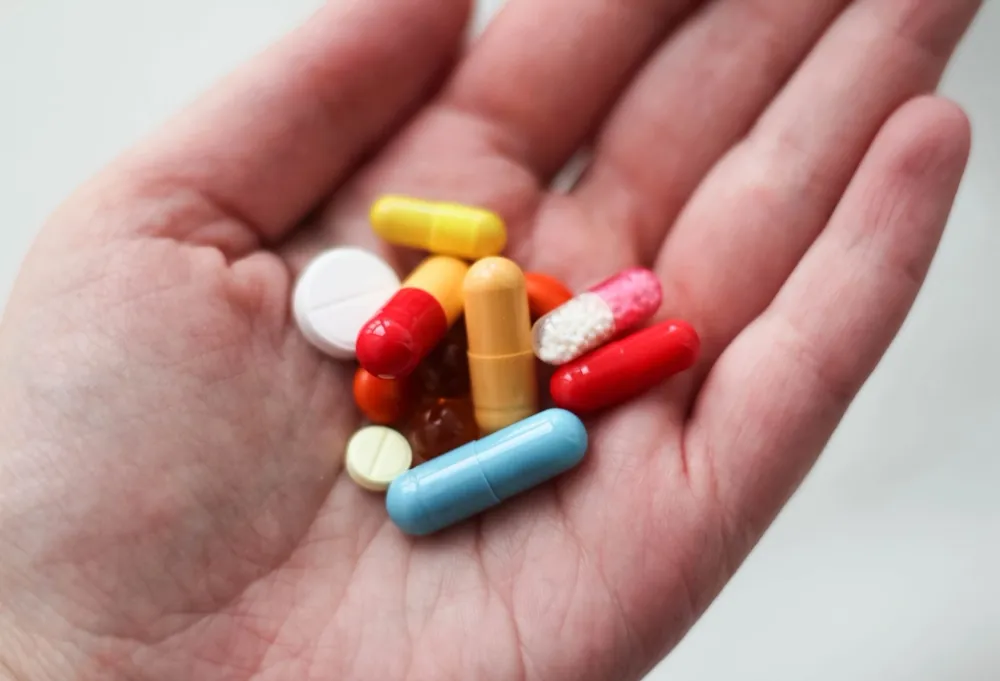 Photo: via Openverse (CC) — Stick to the recommended dose; "more" does not mean "better", especially for fat-soluble vitamins and iron
Read the label and check the Thai FDA number before you pay
In Thailand, supplements are classified as "food", not "medicine", so every legally sold product must display a 13-digit food registration number inside the อย. (FDA) mark on the label. That 13-digit number isn't random — it encodes information about the production site and the product's approval sequence.
The rough structure of the food registration number:
| Position | Meaning |
|---|---|
| Digits 1–2 | Province of the production site (e.g. 10 = Bangkok) |
| Digit 3 | Type of site licence |
| Digits 4–8 | Sequence of the production/import site |
| Digit 9 | Site type (domestic production / import) |
| Digits 10–13 | Sequence number of the approved product |
How to verify the FDA number yourself (under a minute):
- Find the 13-digit number inside the อย. mark on the label. If there isn't one, be suspicious immediately.
- Go to fda.moph.go.th (the product-check menu) or download the Oryor Smart Application (iOS/Android).
- Type in the 13 digits — the system shows the product name, manufacturer and status.
- Match the name — if the number exists but the name/type doesn't match what's on the label, it may be borrowing another product's number; avoid it.
- Can't verify or unsure? Call the FDA hotline 1556 or LINE: FDAthai.
Beyond the FDA number, flip the pack over and read the nutrition/ingredient panel too. Check how much of each active ingredient it contains (in mg/mcg/IU) against the recommended daily intake. Some brands pack in very little active ingredient yet charge a premium on marketing alone. Always check the expiry date, lot number, and warnings for pregnancy/allergies as well.
Beware exaggerated ads — "cures disease" = a scam signal
The easiest iron rule to remember: supplements may never claim to cure disease, because they are food, not medicine. Under Thai law, food advertising requires a permit (the ฆอ. number) and may not use wording implying it treats, relieves, cures or prevents any disease. Those who advertise falsely face up to 6 months in jail or a fine up to 100,000 baht, or both.
Words and tricks that should make you pause instantly:
- Phrases like "cures completely", "lowers diabetes", "dissolves cancer", "repairs the kidneys/liver" — 100% illegal.
- Before-and-after photos that look too good, or testimonials from "real patients".
- Celebrities/influencers vouching for it (paid reviews don't mean it works).
- "FDA-approved efficacy" — the FDA only certifies that a food is safe; it never certifies that something cures disease.
- Pressure to buy now: "today only", "last 3 jars left" — high-pressure tactics.
- Direct selling via chat, no physical shop, no verifiable FDA number.
Thailand's Council of Consumer Organisations and the FDA itself periodically warn about exaggerated supplement ads flooding online channels. If you find a product claiming to cure disease, you can report it to the FDA hotline 1556.
Common mistakes (that cost you money and health)
From everything gathered, here are the traps people fall into most. Avoiding them will save money and keep you safer immediately.
- "More is better" — dangerously wrong, especially for fat-soluble vitamins and iron that accumulate to toxic levels. Stick to the label dose; don't double up on your own.
- Taking everything without knowing what you lack — buying 7–8 bottles and downing them all without ever getting a blood test is guessing, and wasteful. The right move is to test or consult first.
- Thinking supplements replace a good diet — eating fast food at every meal and hoping a multivitamin makes up for it is impossible. Food first, always.
- Mixing things that interact — calcium reduces iron absorption; high-dose vitamin E amplifies blood thinners; St. John's Wort weakens many medications. If you take regular meds, tell your pharmacist.
- Trusting online/celebrity reviews without checking the FDA number — pretty reviews don't guarantee the product is genuine or safe. Always verify the 13-digit number first.
- Buying suspiciously cheap products from sketchy sources — counterfeits, contaminated batches, or hidden prescription drugs (such as steroids in slimming products) have been a recurring scandal.
- Taking high-dose vitamin C to fend off colds — the evidence says it doesn't prevent them, may only shorten them a little, and very high doses risk kidney stones.
- Forgetting that sun, food and sleep are free and work better — morning sun for vitamin D, fresh produce, exercise and enough sleep do more for your health than expensive pills ever will.
If your goal is better health and body shape, managing your overall food and energy matters far more than supplements. Start by learning your own energy needs with the calorie calculator (BMR/TDEE), then plan your eating. If you're interested in time-based eating, read more in our guide to doing intermittent fasting properly; and if you sit and work for long hours, looking after your posture and movement as explained in how to fix office syndrome pays off more than relying on nerve-support vitamins alone.
How to buy supplements for the best value (if you decide to take them)
If you've assessed that you genuinely belong in a group that should supplement, here's a value-focused approach.
- Pick what targets your specific need, don't buy a bundle — if a test shows you're low on vitamin D, just buy vitamin D; you don't need a 10-ingredient "wellness pack".
- Compare "active ingredient per price" — look at mg/mcg/IU per pill divided by price. An unbranded product with a valid FDA number and enough active ingredient is often better value than a premium brand paying for marketing.
- The form matters — magnesium glycinate absorbs better and irritates the gut less than the oxide form; vitamin D3 (cholecalciferol) is better than D2 — but don't overpay for a "special form" with vague claims.
- Buy a size that fits your use — start with a small bottle; don't stockpile a giant one that expires before you finish it.
- Buy from pharmacies / shops with a storefront or a verifiable platform — avoid grey-market imports with no FDA number.
- Ask the pharmacist for free — they can check for interactions with your current medication and which product actually suits you.
Remember that the "most expensive" supplement isn't the "best". The extra you pay is usually for the brand, the packaging and the spokesperson — not a meaningfully different quality of nutrient.
Verdict: take what you need, not what's trending
The big picture for vitamins and supplements in 2026 keeps getting clearer: supplements are not a shortcut to good health, and they aren't necessary for everyone. Healthy people who eat a varied, balanced diet don't need to spend money on multivitamins or whatever's trending. Large studies confirm they don't prevent cancer or heart disease the way ads claim.
But for the groups who are genuinely deficient — pregnant women (folate), older adults, vegetarians (B12), people who get no sun (vitamin D), and anyone a doctor has diagnosed as deficient — supplements have real, worthwhile value. The key is to "take what you actually lack, at a safe dose, from a product with a valid FDA number", not to buy every bottle the ads push.
Before your next purchase, ask yourself three questions: (1) Am I genuinely in the at-risk group for this? (2) Does the FDA number check out? (3) Would this money be better spent on fresh produce, fish and enough sleep? If you're still unsure, consult a doctor or pharmacist first — that's the smartest health investment of all.
Sources
- VITAL trial — vitamin D & omega-3 (cancer/CVD): tctmd.com
- USPSTF 2022 — vitamin/mineral/multivitamin for CVD & cancer prevention: USPSTF
- Fat-soluble vitamin toxicity & upper limits: Pharmacy Times, Healthline
- Thai FDA 13-digit food registration number & verification: Thai FDA (fda.moph.go.th), Boxpack
- Exaggerated supplement advertising & penalties: Council of Consumer Organisations
- Supplement trends 2026 (collagen/magnesium/creatine/probiotics): Marek Health, Vivere
- Evidence overview (2026 update): OneDayMD
Frequently asked questions
- Do healthy people need to take a multivitamin every day?
- For people who eat a varied, balanced diet and have no underlying conditions, large studies have not shown that a multivitamin lowers the risk of cancer or heart disease. The U.S. USPSTF concluded the 'evidence is insufficient' to recommend multivitamins for disease prevention in the general public. So if you already eat well, a multivitamin is optional, not essential — that money buys far more health as fresh fruit and vegetables.
- How do I check a supplement's Thai FDA (อย.) number?
- The label must show a 13-digit food registration number inside the อย. mark. Enter that number on fda.moph.go.th or in the Oryor Smart Application, or call the FDA hotline 1556. If it can't be found, the product name doesn't match, or there's no number on the label at all, treat it as suspicious — it may be counterfeit or illegally sold — and don't buy it.
- When is the best time to take vitamins — with food or on an empty stomach?
- Fat-soluble vitamins (A, D, E, K) and fish oil are absorbed better with a meal that contains some fat. Water-soluble vitamins (B, C) can be taken any time, though some people feel nauseous taking vitamin C or B-complex on an empty stomach, so take them with food. Iron is absorbed best on an empty stomach but can irritate the gut, and shouldn't be taken with calcium or coffee, which reduce its absorption.
- Are supplements that claim to 'cure disease' for real?
- No, and such claims are illegal. Under Thai law a supplement is a 'food', not a drug, so it cannot claim to cure, treat, or prevent any disease. Exaggerated advertising carries up to 6 months in jail or a fine up to 100,000 baht, or both. If you see words like 'cures', 'treats cancer' or 'reverses diabetes', recognize it instantly as a scam.
- Is taking lots of vitamins harmful, since the body just flushes out the excess?
- Excess water-soluble vitamins (B, C) are passed in urine, but fat-soluble vitamins (A, D, E, K) and minerals like iron accumulate in the body and can become toxic. For example, more than 4,000 IU/day of vitamin D long-term risks high blood calcium; excess vitamin A damages the liver and bones; iron overdose is a common cause of poisoning in children. 'More' does not mean 'better'.
- Do beta-carotene and vitamin E help prevent cancer?
- The opposite — the USPSTF recommends AGAINST taking beta-carotene and vitamin E supplements to prevent cancer or heart disease, because there's no benefit and high-dose beta-carotene actually raises lung-cancer risk in smokers. Getting beta-carotene from fruit and vegetables is always safer and better than taking it as a pill.
Related articles

Intermittent Fasting (IF) Done Right in 2026: A Plain-English Guide
How to do intermittent fasting safely in 2026 — 16/8 and 5:2 methods, evidence-based benefits, foods that work, common mistakes, and who should not try IF.

Sleep Better in 2026: How to Fix Insomnia and Improve Sleep Quality
An evidence-based 2026 guide to sleeping better: fix insomnia, build sleep hygiene, manage caffeine, screens and room temperature, plus the 20-minute rule.

Is cancer insurance worth it? What it covers (2026)
What cancer insurance covers, how lump-sum differs from as-charged plans, and who should have it.