Intermittent Fasting (IF) Done Right in 2026: A Plain-English Guide

In 2026, "IF" — intermittent fasting — is popular again, both with people trying to lose weight and those looking after their long-term health. But the most common question is: "How do I do it the right way and safely, rather than just starving myself and quitting?" This guide pulls it all together in one place: what IF is, which method suits whom, the benefits that have real evidence (and which are still just theory), foods that work, the mistakes that stop it working, and the groups who should never do IF on their own.
Important note: This article is for general understanding, not personalized medical advice. If you have a health condition, take regular medication, are pregnant, or are unsure, always consult a doctor or dietitian before starting.
What IF Is and Why It Helps With Weight Loss
Intermittent Fasting literally means "fasting in intervals." Its core isn't what you eat but when you eat — you set an eating window and a fasting window that alternate, such as eating within 8 hours and fasting for the other 16.
There are two layers to why IF helps with weight loss. The first and most important: when your eating window is shorter, most people automatically eat less over the whole day, creating a calorie deficit — the one condition that actually causes weight loss. The second layer is hormonal. During the fast, insulin levels fall, so the body more easily taps into stored fat for energy. Research has also found that human growth hormone (HGH) may rise during fasting, which can help preserve muscle mass while you lose fat.
The point many people miss is treating IF as a "license to eat anything" during the eating window. The truth is that if you pack in fried food, sweets, and bubble tea during those 8 hours until your calories exceed your needs, you won't lose weight. IF is just a time frame that makes control easier — it isn't magic.
Popular IF Methods — Which One Should You Choose?
IF comes in several formats, differing in how long and how often you fast. This table summarizes the main methods people use and who they suit.
| Method | Pattern | Best for | Difficulty |
|---|---|---|---|
| 16/8 | Fast 16 hrs, eat within 8 hrs daily | Beginners, general use, sustainable | Moderate |
| 14/10 | Fast 14 hrs, eat within 10 hrs | New starters, women, early medication takers | Easy |
| 5:2 | Eat normally 5 days, ~500–600 cal on 2 days | People who don't want to fast daily | Moderate |
| Eat-Stop-Eat | A full 24-hr fast 1–2 times a week | Experienced practitioners | Hard |
| ADF (alternate-day) | Alternate normal days with fasting/very-low days | Highly disciplined, with guidance | Very hard |
For beginners, the safest and most realistic place to start is 12/12 (eat within 12 hours, fast 12 — e.g. eat 7 a.m.–7 p.m.), which almost anyone can do. Then gradually extend the fasting window to 14/10 and 16/8 over several weeks. Jumping straight to 16/8 or a 24-hour fast on day one usually ends in ravenous hunger, irritability, and quitting halfway.
A 2025 study comparing 5:2 with 16/8 in people who were overweight found that both methods produced similar weight loss. So there's no single "best" method for everyone — the best one is the one you can sustain without suffering until you give up.
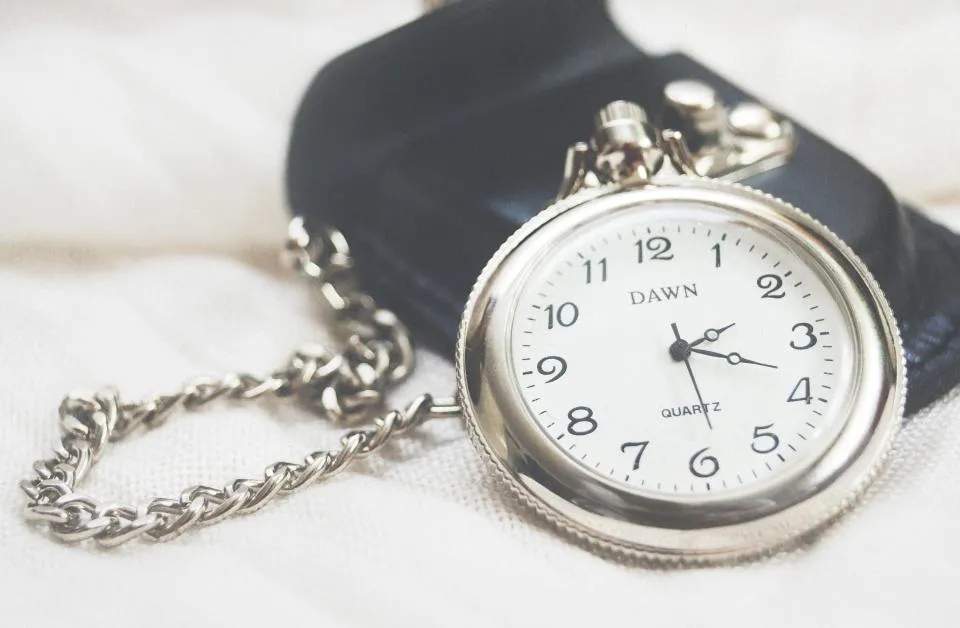 Photo: via Openverse (CC) — IF is about eating within a time frame, not starving yourself.
How to Start IF the Right Way (Step by Step)
- Pick a window that fits your real life. If you like eating dinner with family, shift your window later, e.g. 11 a.m.–7 p.m. If you wake early and get hungry early, eat 8 a.m.–4 p.m. The rule: choose a time you can keep every day, not one that just looks good on paper.
- Start with a short fast first — 12 hours in week one, then extend gradually.
- During the fast, drink only zero-calorie things — water, unsweetened black tea/coffee with no sugar or milk. Drink plenty of water to fend off false hunger and fatigue.
- During the eating window, eat balanced meals — emphasize protein and vegetables, don't compensate with sweets.
- Don't cut total calories too low. IF doesn't mean starving all day — you still need enough energy during the hours you do eat.
- Exercise alongside it, especially resistance training, to preserve muscle while losing fat.
- Sleep enough and early enough. Sleep loss disrupts hunger hormones and makes sweets more tempting.
Want to know how many calories you should eat per day? Try our Calorie Calculator (BMR/TDEE) to find your daily energy use, then aim to eat slightly below it safely. And to check where your weight sits right now, use our BMI Calculator.
What to Eat During the Eating Window (With Local Food in Mind)
One advantage for many readers is that everyday cuisine offers plenty of IF-friendly options — you just have to choose well and watch portions. The simple rule: "enough protein, lots of vegetables, moderate complex carbs, and skip the sugar and greasy fried food."
| Group | Recommended dishes | Watch out for |
|---|---|---|
| Protein | Grilled/boiled chicken breast, eggs, steamed/grilled fish, tofu, lean pork | Fried pork, fried chicken, crispy skin, fried meatballs |
| Vegetables | Clear soups, vegetable curries, light stir-fries, low-sugar papaya salad | Oil-soaked stir-fries, salads drowned in creamy dressing |
| Carbs | Brown rice, riceberry, white rice in moderate portions | Huge plates of sticky rice, frequent instant noodles |
| Drinks | Water, unsweetened green tea, black coffee | Bubble tea, sweet drinks, soda, blended whipped-cream coffees |
A simple day for someone doing 16/8 eating 11 a.m.–7 p.m.:
- First meal (11:00): Brown rice + grilled chicken breast + clear tofu-seaweed soup, or 2 boiled eggs + a vegetable salad
- Snack (15:00): Low-sugar fruit such as guava or apple, or a handful of nuts and plain yogurt
- Dinner (18:30): Steamed/grilled fish + blanched vegetables + half to one serving of brown rice
The sneaky saboteur of many people's IF is sweet drinks — a single bubble tea can carry 30–60 g of sugar and several hundred calories, wiping out a whole morning of fasting in seconds. If you must have one, order it less sweet or switch to unsweetened tea.
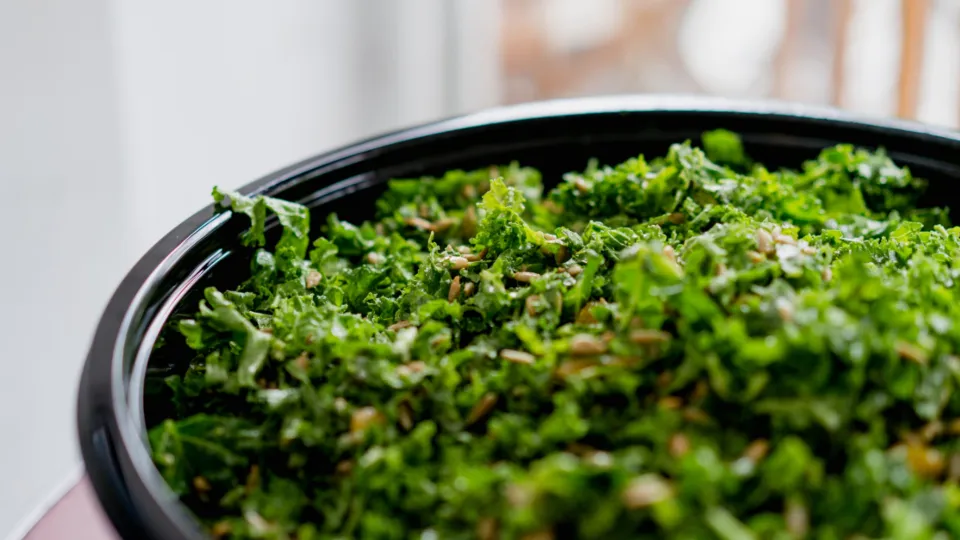 Photo: via Openverse (CC) — During the eating window, emphasize protein and vegetables, not compensatory sweets.
IF Benefits: Evidence vs. Theory
To stay balanced and honest, let's clearly separate claims that have human research behind them from those that are still just hope.
Reasonably supported in humans
- Weight and fat loss. A 2020 review found participants lost about 0.8–13% of their starting body weight, depending on method and duration.
- Better blood sugar and insulin sensitivity. Fasting blood sugar has been reported to fall in people with obesity/diabetes, and 16/8 with an earlier eating window appears especially good at reducing visceral fat and insulin resistance.
- Better for some heart markers — blood pressure, triglycerides, and cholesterol may improve as weight drops.
Still theoretical / unclear in humans
- Autophagy (cellular cleanup) is a real process, but how much and when it happens in humans from IF is far less clear than the hype suggests.
- Cancer prevention, anti-aging, Alzheimer's prevention — most of this work is in animals, and human results are inconsistent. Don't do IF primarily hoping for these.
In short: if your goal is "lose weight and improve metabolic health," IF is a usable, reasonably evidence-backed tool. But anyone selling IF as a cure for serious disease or a path to a longer life is going beyond what current evidence can claim. The same "check the evidence before believing the hype" mindset applies to supplements too — read more in vitamins & supplements: how to choose what's worth it and safe.
Common Mistakes: Why IF Sometimes Doesn't Work
Many people try IF and don't lose weight, or lose it and bounce back. Usually it's one of these traps:
- Compensatory overeating — fasting all morning then going hard in the evening until you exceed your needs. IF can't help if the daily total is still too high.
- Sneaking in sweets and sweet drinks — sugar spikes insulin, working against IF's mechanism and deepening sugar cravings.
- Cutting calories too low — the body shifts into energy-conservation mode, metabolism slows, you feel tired and irritable, and you quit.
- No exercise, especially resistance training — more of the weight you lose comes from muscle, so it rebounds fast once you stop.
- Sleep deprivation and late nights — disrupts hunger hormones (ghrelin/leptin), increasing hunger and sugar cravings.
- Drinking too little water — many "hunger" episodes are actually thirst, leading to overeating, plus dehydration risk and headaches.
- Impatience, expecting results too fast — early weight loss is partly water; real fat loss takes weeks to months.
Sitting at work all day without moving also lowers your calorie burn. If you're an office worker, read our guide on coping with office syndrome alongside this, because standing up and stretching through the day helps both your health and your metabolism.
 Photo: via Openverse (CC) — Drinking enough water fends off false hunger and fatigue during the fast.
Who Should NOT Do IF (Very Important)
IF isn't right for everyone, and for some groups it's dangerous to do alone. The following should avoid it, or do it only under medical supervision.
- Pregnant and breastfeeding women — they need extra energy and nutrients and should not restrict calories.
- Children and teens under 18 — they're growing and need adequate energy.
- Anyone with a current or past eating disorder — IF can trigger a restrict–binge cycle and an unhealthy relationship with food.
- People with diabetes using insulin or sulfonylureas — high risk of severe hypoglycemia; a doctor must adjust medication.
- People on blood pressure/heart medications, or drugs that must be taken with food — skipping meals can disturb electrolytes or alter how medication works.
- People who are underweight or malnourished.
- Frail older adults — safety data is limited and the risk of losing too much weight/muscle is real.
- People with advanced kidney disease, liver disease, active cancer, or gallstones.
If you fall into any of these groups, don't start on your own — talk to a doctor or dietitian first. There are many ways to lose weight, and IF is not the only option.
Possible Side Effects and How to Handle Them
Even though most people can do IF safely, the adjustment period can bring these symptoms. Most ease within 1–2 weeks as the body adapts.
- Hunger, irritability, poor focus early on → drink water/black coffee, extend the fast gradually, don't rush it.
- Headache, dizziness → often from dehydration or low blood sugar; drink enough water, and eat early if it's bad.
- Fatigue, low workout energy → schedule resistance training after you've eaten, and get enough protein.
- Constipation → eat more fiber-rich vegetables and fruit, and drink more water.
- Overeating in the window → plan meals ahead and start with protein and vegetables to feel full first.
If you get severe symptoms — palpitations, sweating, feeling faint (signs of low blood sugar), a missed period, or becoming preoccupied with eating/fasting to the point it affects your mental health — stop and see a doctor immediately.
Verdict: How to Make IF Work and Last
IF is a genuinely usable weight-control tool with reasonable evidence behind it. Its strength is the simple rule — just watch the clock — which helps many people control eating more easily than counting every calorie. But it isn't magic: overeat or pile on sweets during the window and you won't lose.
For most people, start at 12/12 and gradually move to 16/8. Eat balanced meals emphasizing protein and vegetables, skip sweet drinks, drink enough water, and get enough exercise and sleep. Most important of all — choose a method you can sustain, because consistency always beats extremes. And if you're in a high-risk group, remember that checking with a doctor first is the most worthwhile investment you can make.
Sources
- Healthline — 10 health benefits of intermittent fasting: https://www.healthline.com/nutrition/10-health-benefits-of-intermittent-fasting
- Harvard Health — 4 intermittent fasting side effects to watch out for: https://www.health.harvard.edu/healthy-aging-and-longevity/4-intermittent-fasting-side-effects-to-watch-out-for
- Mayo Clinic — Intermittent fasting: What are the benefits?: https://www.mayoclinic.org/healthy-lifestyle/nutrition-and-healthy-eating/expert-answers/intermittent-fasting/faq-20441303
- Samitivej Hospital — Lose weight effectively with Intermittent Fasting (IF): https://www.samitivejhospitals.com/th/article/detail/%E0%B8%A5%E0%B8%94%E0%B8%99%E0%B9%89%E0%B8%B3%E0%B8%AB%E0%B8%99%E0%B8%B1%E0%B8%81%E0%B8%94%E0%B9%89%E0%B8%A7%E0%B8%A2-if
- PMC — Intermittent Fasting: Efficacy, Safety, and Its Impact on Body Weight, Glucose Metabolism, and Gut Microbiota: https://pmc.ncbi.nlm.nih.gov/articles/PMC12740946/
Frequently asked questions
- How long until I see results from IF?
- Most people notice a flatter stomach and a small drop on the scale in the first 2–4 weeks (partly water), but real fat loss and changes in blood sugar/lipids usually show around 8–12 weeks — depending on how well you control total calories and food quality. IF is not magic: if you overeat during the eating window, you won't lose weight.
- What can I drink during the fasting window?
- Water, sparkling water, and unsweetened black tea or coffee (no sugar, no creamer) are fine in any amount — they're essentially calorie-free so they don't 'break' your fast. Avoid artificial sweeteners, which can trigger cravings and hunger.
- Can women do IF? Will it affect my period?
- Most women can, but the female body is more sensitive to energy shortfalls. Fasting too long or eating too little can disrupt your menstrual cycle. Start with a shorter fasting window (12–14 hours), eat enough, and if your period becomes irregular, stop and see a doctor. Pregnant or breastfeeding women should not do IF.
- Can I do IF if I have diabetes?
- Always consult your doctor first, especially if you use insulin or sulfonylurea medications, because fasting increases the risk of hypoglycemia (low blood sugar). Your medication dose may need to be adjusted under medical supervision — never change your own dose.
- Can I have coffee with milk in the morning while fasting?
- Milk and creamer contain calories and sugar, so they technically break your fast. If you want coffee during the fasting window, drink it black. If you really can't take it black, it's more correct to move your milky coffee to the start of your eating window.
- Is IF better than just counting calories?
- Both work if they create an energy deficit. Several studies find IF is not significantly better than ordinary calorie restriction. IF's advantage is its simple rule (just watch the clock), which some people find easier to follow. The best method is the one you can sustain long-term.
Related articles

Home Workouts 2026: Get Started Without a Gym (Beginner's Guide)
A 2026 beginner's guide to working out at home — no-equipment bodyweight moves, a 7-day starter plan, budget gear, warm-ups and habit tips.

Sleep Better in 2026: How to Fix Insomnia and Improve Sleep Quality
An evidence-based 2026 guide to sleeping better: fix insomnia, build sleep hygiene, manage caffeine, screens and room temperature, plus the 20-minute rule.

Vitamins & Supplements 2026: How to Choose What's Worth It and Safe
An evidence-based 2026 guide to vitamins and supplements — who really needs them, which are worth it, how to check the Thai FDA number, and safe doses.