Messi Breaks World Cup All-Time Scoring Record With 18 Goals — Greatest of All Time, Men's and Women's

The 2026 FIFA World Cup in the United States delivered one of football's most defining moments as Lionel Messi, 38 years old, scored his 17th and 18th career World Cup goals against Austria in Arlington, Texas on June 22, 2026, sealing a 2-0 win for Argentina and qualifying the reigning champions for the knockout rounds.
The achievement goes beyond men's football. With his 18th goal, Messi surpassed not only Miroslav Klose's men's record of 16 — but also Marta's landmark of 17 goals in women's World Cup history. He is now the all-time leading scorer in the World Cup across both genders.
From a First-Ever Hat Trick to History in the Making
The stage was set in Argentina's opening match on June 16, 2026. Facing Algeria in Kansas City, Messi scored a hat trick — the first of his World Cup career — guiding Argentina to a 3-0 win and lifting his career tally to 16 goals, exactly level with Klose's long-standing record.
The three goals were classic Messi: a searing long-range left-footed strike in the 17th minute, a composed finish on 60 minutes, and a clinical low shot into the corner in the 76th. Everyone watching knew the record was next — only a question of when.
The answer came six days later.
Two Goals, Two Records: The Night in Detail
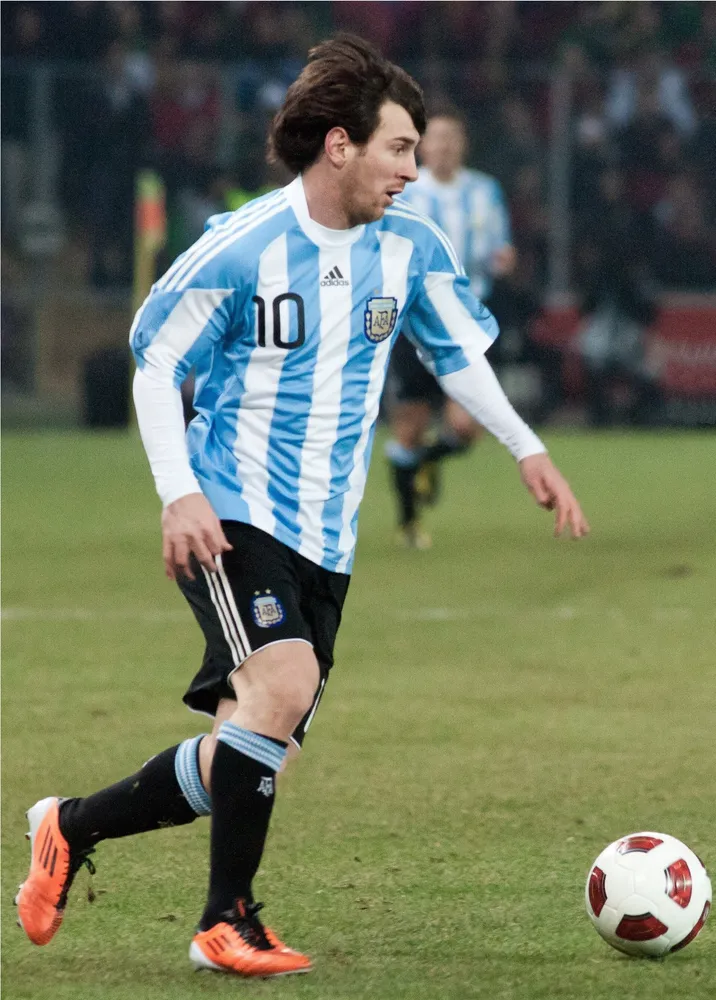 Lionel Messi, Argentina captain, celebrates his 18th World Cup goal — a new all-time record across both men's and women's football
Against Austria, Messi's evening started with frustration. He missed a penalty in the 8th minute — had it gone in, the record would have fallen even earlier. But the setback only seemed to sharpen his focus.
Goal 17 — 38th minute: Messi received the ball, took one touch and swept a left-footed finish into the bottom corner. The VAR confirmed it, the stadium erupted, and Klose's 16-goal record — which had stood since Germany 2014 — was gone.
Goal 18 — 90th minute: In stoppage time, Messi drove into the penalty area, saw his initial shot saved, and calmly slotted home the rebound through a crowd of Austrian defenders. Number 18. Sole owner of the most World Cup goals ever scored by any player, anywhere.
Beyond the Men's Game — Surpassing Marta
What elevates this record is its scope. Marta, Brazil's six-time FIFA Women's World Player of the Year, had long held the outright World Cup scoring benchmark with 17 goals across five Women's World Cup tournaments. When Messi's 17th found the net, he matched her. When the 18th went in, he stood alone above every player in the tournament's history — men and women combined.
For context, the next names on the all-time men's list are Cristiano Ronaldo (15 goals), Gerd Müller (14), and Kylian Mbappé (13). Messi's 18-goal total now sits in a class of its own.
Voices From the Camp
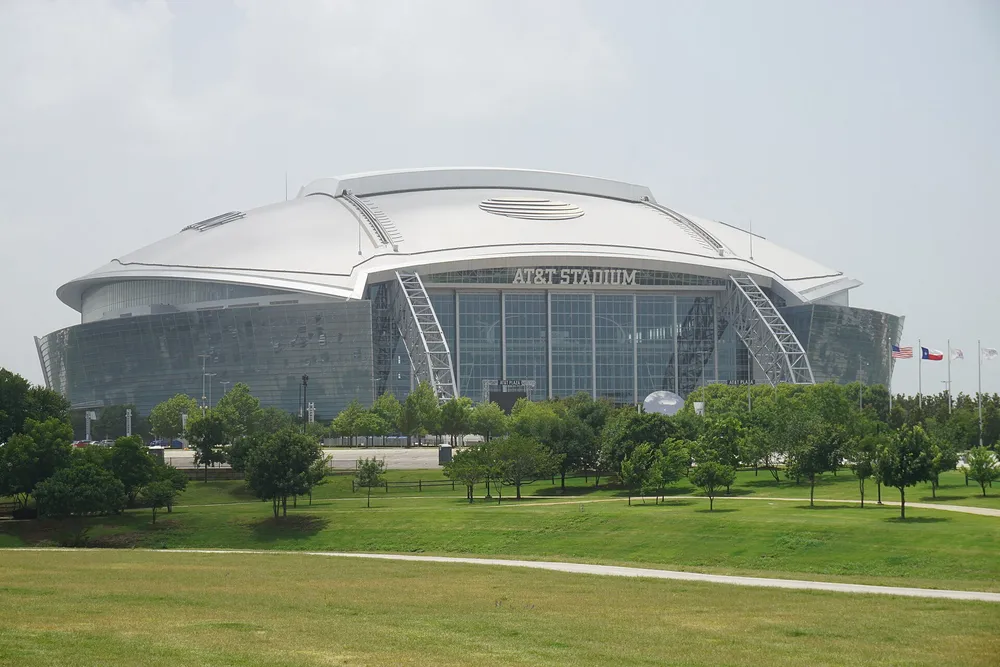 AT&T Stadium, Arlington, Texas — the venue where Messi scored his record-breaking 17th and 18th World Cup goals
After the final whistle, Alexis Mac Allister, Argentina's midfield engine, was unequivocal:
"If anyone thought this group was better off without Leo, today it became clear that Leo is the most important of them all."
Messi himself kept it brief and characteristically grounded:
"I'm very happy with the victory. It was hugely important, tough, hard-fought."
Those few words from a man who has spent a career at the summit of the sport carry the weight of someone who understands exactly what he has done — and equally understands that the tournament is not yet won.
Six World Cups, 38 Years Old, Still the Best
Perhaps the most extraordinary aspect of this record is its timing. Messi turned 38 just weeks before this World Cup began, yet he is the tournament's top scorer with five goals in two matches. He also became only the third male player to score in six consecutive World Cups, a feat that underlines the sheer longevity of his greatness.
Argentina's win over Austria sealed their place in the last 32, with the holders eyeing an unprecedented back-to-back World Cup title — something no team has managed since Brazil in 1958 and 1962. If they go all the way, it would be Messi's third World Cup final, his second title, and another chapter in the most decorated career in football history.
Messi's World Cup career at a glance:
| Stat | Detail |
|---|---|
| World Cup goals | 18 (all-time record, men's and women's) |
| Tournaments | 6 (2006–2026) |
| Previous record | 16 (Miroslav Klose) |
| Goals in 2026 | 5 in 2 matches (hat trick + brace) |
| Match vs Austria | Argentina 2-0 Austria, June 22, 2026 |
| Age | 38 |
| Argentina career | 121 goals in 201 caps |
Messi at 38 proving the world wrong is a reminder that limits are rarely where we think they are — a message that resonates for sports fans everywhere. For more World Cup action, see our earlier story on the 2026 World Cup's opening records and surprises. And for Thai sporting inspiration, follow Kunlavut Vitidsarn's Malaysia Open triumph and Jeeno Thitikul's golf double-header.
The knockout rounds are coming — and Argentina, led by the greatest scorer in World Cup history, are ready.
Sources
- Al Jazeera — Messi breaks World Cup all-time scoring record with 18 goals
- Olympics.com — Lionel Messi becomes all-time leading FIFA men's World Cup scorer
- Yahoo Sports — Lionel Messi now has 18 World Cup goals as Argentina takes down Austria 2-0
- Al Jazeera — Messi hat-trick fires holders Argentina to win over Algeria
- PBS NewsHour — Lionel Messi ties men's World Cup goals record with a hat trick
Frequently asked questions
- How many World Cup goals does Messi have and whose record did he break?
- Messi has 18 World Cup goals across six tournaments. He broke Miroslav Klose's men's record of 16 goals and surpassed Marta's all-time record of 17 goals across both men's and women's World Cups.
- When did Messi score his 17th and 18th World Cup goals?
- Messi scored goals 17 (38th minute) and 18 (90th minute) in Argentina's 2-0 win over Austria in Group J at Arlington, Texas on June 22, 2026 (June 23 in Asian time zones).
- Which World Cup is this for Messi?
- The 2026 World Cup is Messi's sixth tournament, spanning from Germany 2006 through South Africa 2010, Brazil 2014, Russia 2018, Qatar 2022 (where he won his first title) and now the USA.
Related news
 World
WorldCristiano Ronaldo Makes History: First Player Ever to Score in Six World Cups
Cristiano Ronaldo, 41, became the first player ever to score in six FIFA World Cup tournaments, netting twice as Portugal beat Uzbekistan 5-0.
 World
WorldMessi vs Yamal: The World Cup 2026 Final Written in the Stars 19 Years Ago
Argentina face Spain in the FIFA World Cup 2026 Final on July 19 at MetLife Stadium — 39-year-old Messi is set to meet Lamine Yamal, who appeared in a UNICEF photo with him as a 5-month-old baby back in 2007.
 World
WorldSpain Edge Portugal 1-0 in the Final Minute — Ronaldo Bows Out in Tears
Substitute Mikel Merino's 90+1 winner sent Spain past Portugal 1-0 into the 2026 World Cup quarter-finals, as Cristiano Ronaldo, 41, bowed out in tears.