Apple Sues OpenAI for Trade Secret Theft — Siri Switches to Google Gemini

Apple filed a 41-page federal lawsuit against OpenAI in the Northern District of California on July 10, 2026, accusing it of systematically stealing trade secrets through former employees. At the same time, Apple confirmed that Siri will use Google Gemini as its primary AI model going forward — a definitive sign that the Apple–OpenAI partnership, which dazzled the tech world at WWDC 2024, has completely collapsed.
From Partner to Rival: A Relationship That Broke in Two Years
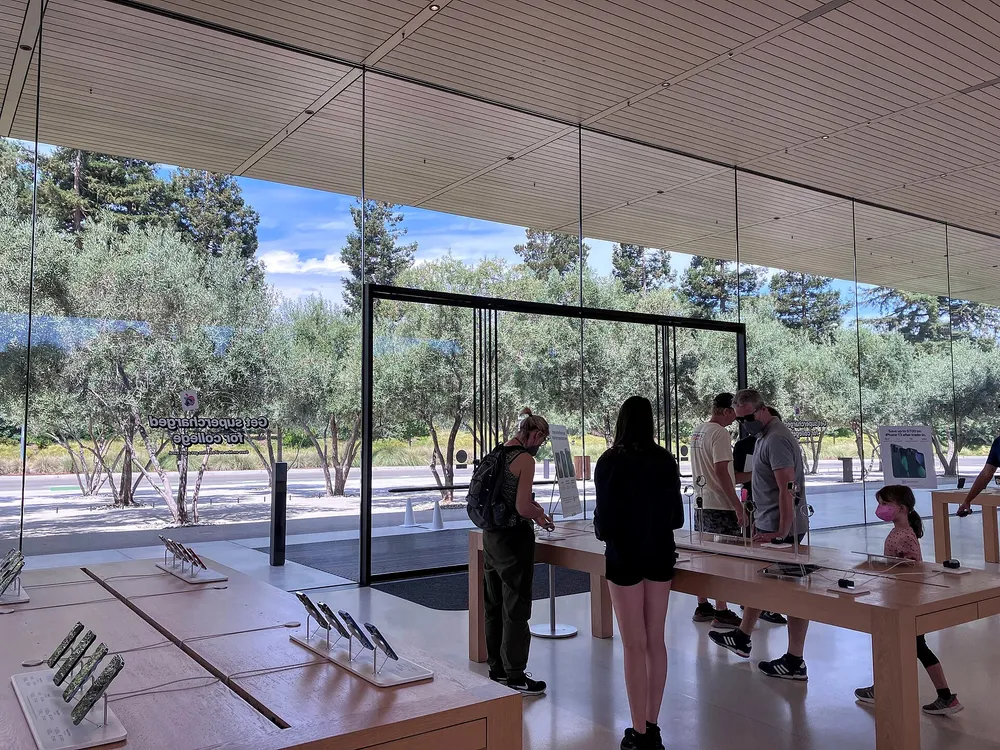
Just two years ago, Apple announced it was integrating ChatGPT into Siri — a headline-making collaboration that signaled a new era for AI on smartphones. But within 24 months, that partnership had turned into all-out litigation.
The turning point was OpenAI's acquisition of IO Products — the hardware design firm co-founded by Jony Ive, Apple's legendary former Chief Design Officer — for $6.4 billion in May 2025. That deal made OpenAI a direct hardware competitor to Apple. Apple then began investigating the behavior of former employees who had moved to OpenAI, and found what it described as the "rotten core" of OpenAI's nascent hardware business.
Tang Tan: A 24-Year Apple Veteran as the Primary Defendant
At the center of the case is Tang Yew Tan, who spent 24 years at Apple rising to VP of Product Design for iPhone and Apple Watch. He left Apple in February 2024 to co-found IO Products with Jony Ive and now serves as OpenAI's Chief Hardware Officer, reporting directly to Sam Altman.
Apple alleges that Tan:
- Emailed himself confidential supplier information from Apple's internal systems before departing
- Used Apple's internal project codenames during job interviews with Apple employees to extract insider knowledge
- Directed Apple job candidates to bring "actual parts" to their OpenAI interviews — batteries, shields, housings, back glass in multiple colors — in what the complaint calls "show and tell sessions"
- Coached departing Apple employees on how to evade Apple's security exit procedures
Apple's complaint states: "At every level, from members of its Technical Staff to its Chief Hardware Officer, and in coordination with business partners, OpenAI has been stealing Apple's trade secrets and confidential information."
Chang Liu: Over 1,000 Pages of Confidential Files
The second key defendant is Chang Liu, an 8-year Apple veteran who joined OpenAI in January 2026. Apple alleges that after starting at OpenAI, Liu discovered a security vulnerability in Apple's cloud file storage system, texted a colleague "LOL, I found out I can access the [network storage], so funny," and proceeded to download over 1,000 pages of confidential technical files — including specifications for products not yet announced.
Liu also maintained contact with Yu-Ting "Alyssa" Peng, an Apple employee still on payroll who provided ongoing updates on Apple's engineering decisions and vendor relationships. Peng was subsequently hired by OpenAI in April 2026 but is not named as a defendant in the lawsuit.
What Was Stolen: From Designs to Proprietary Techniques
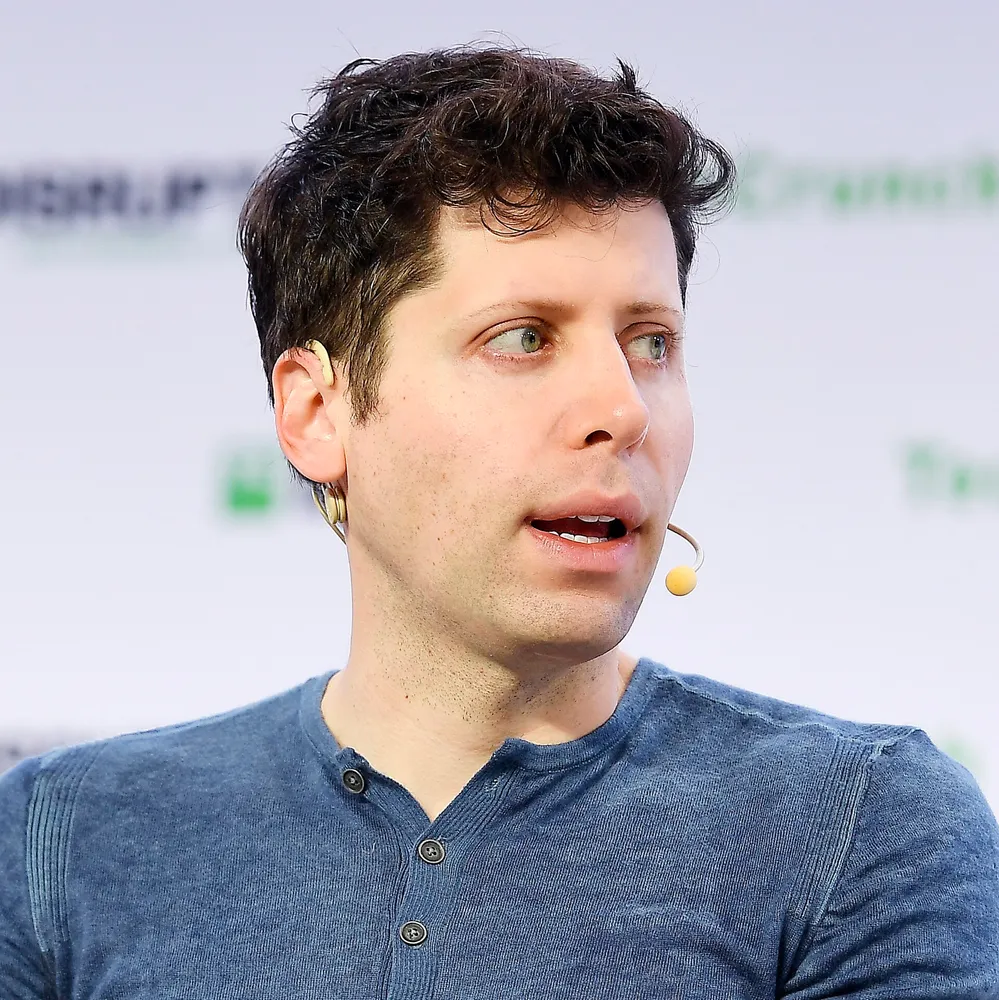
Apple's complaint alleges that the stolen trade secrets include:
- Unreleased product designs and technical specifications
- Manufacturing documents, including multi-layer circuit board designs
- Battery, shield, and housing component details
- A proprietary metal-finishing technique used with Apple's suppliers
- Internal project codenames and supplier relationship information
Apple also revealed that over 400 former Apple employees now work at OpenAI, and alleged that OpenAI's interview process was systematically designed to extract Apple confidential information from candidates who were still employed at Apple.
Apple is seeking injunctive relief barring OpenAI from possessing or using any stolen IP, the return of all confidential materials, and monetary damages to be determined at trial.
Siri Turns to Google: ~$1 Billion Per Year
Running in parallel to the lawsuit, Apple confirmed the shift of Siri to Google Gemini as its primary AI engine — a deal announced quietly in January 2026, valued at approximately $1 billion per year, with Google named Apple's "preferred cloud provider."
Google Cloud CEO Thomas Kurian confirmed at Google Cloud Next 26:
"We're collaborating with Apple as their preferred cloud provider to develop the next generation of Apple Foundation Models based on Gemini technology. These models will now power future Apple Intelligence features including a more personalized Siri coming later this year."
On privacy: User data will be processed through Apple's Private Cloud Compute — not Google's servers directly — meaning Google cannot access individual users' conversations. The model runs as "Apple Foundation Models v10," a Gemini-based architecture fine-tuned on Apple data, and Gemini is not branded in Siri's interface.
Gemini began powering portions of Siri in iOS 26.5 (spring 2026), with the full rollout planned for iOS 27 alongside iPhone 18 in September 2026. The ChatGPT-Siri integration remains active but deprioritized; iOS 27 will introduce an "Extensions" system letting users choose between AI providers, with Gemini as the default.
Stakes: OpenAI's IPO Under Pressure
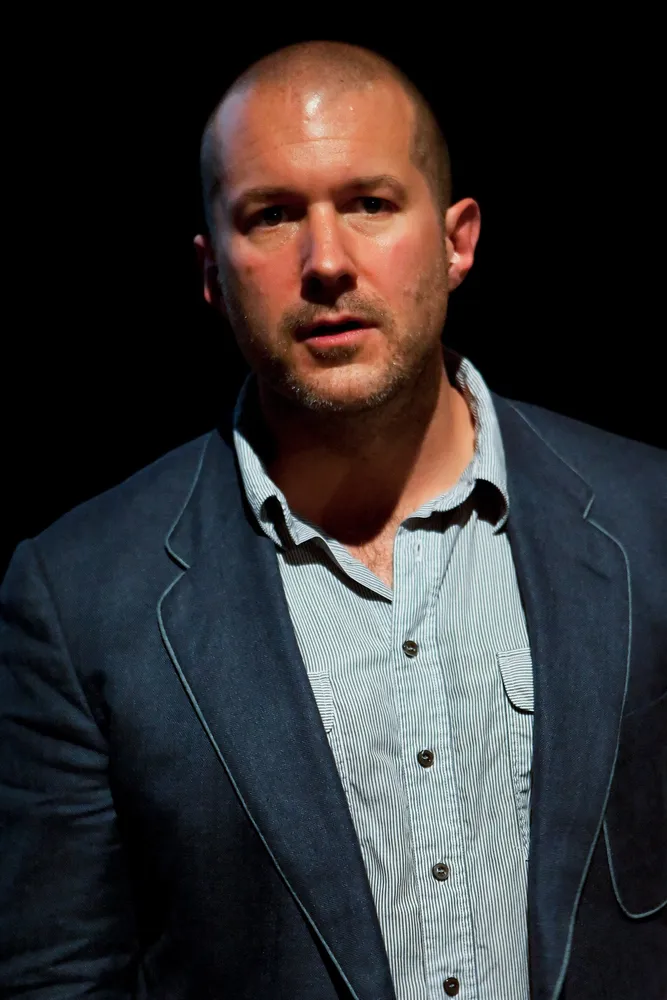
OpenAI responded briefly: "We have no interest in other companies' trade secrets. We remain focused on building innovative technology that empowers people everywhere."
Analysts see more at stake. TradingKey wrote that the lawsuit "directly undermines the technical legitimacy of [OpenAI's] hardware business" and that its "valuation logic will face clear pressure" — threatening OpenAI's IPO timeline after the company confidentially filed its S-1 last month.
Paolo Pescatore of PP Foresight warned that "Apple sees OpenAI moving from partner to potential rival," and that a prolonged legal battle could pressure Apple's already-elevated stock valuation.
The Jony Ive-designed AI hardware device — the raison d'être of the IO Products acquisition — is already reportedly delayed to 2027. If Apple's injunction attempt succeeds in blocking use of the allegedly stolen IP, that delay could extend further.
What This Means for iPhone Users in Thailand
Thailand has millions of iPhone users. For them, the practical takeaway is a likely improvement in Siri's capabilities over time: Google Gemini's broader multilingual training data, including Thai, may eventually improve the assistant's Thai-language responses. That said, official Thai-language Apple Intelligence support has not been confirmed for iOS 27.
The legal battle between Apple and OpenAI is only beginning. Its outcome will help determine who controls the AI layer on more than a billion smartphones — and that's a contest with implications well beyond Silicon Valley courtrooms.
For more on the AI landscape, see AI governance news and technology news.
Sources
Frequently asked questions
- What is Apple suing OpenAI for?
- Apple is suing OpenAI for trade secret theft, alleging that former Apple employees who moved to OpenAI took confidential product designs, engineering specifications, manufacturing documents, and proprietary techniques without authorization.
- When will Siri switch to Google Gemini?
- Apple announced its partnership with Google in January 2026. Siri began using Gemini for some features in iOS 26.5 (spring 2026), with the full rollout planned for iOS 27 alongside iPhone 18 in September 2026.
- Will ChatGPT still work on iPhone?
- The ChatGPT-Siri integration remains technically active but is deprioritized. Users must explicitly say 'ChatGPT' to invoke it. iOS 27 will introduce an 'Extensions' system supporting multiple AI providers, but Gemini will be the default.
Related news
 World
WorldOpenAI's Astra Solves 10 Open Math Problems, Some Stuck for 47 Years
OpenAI's next model resolved decades-old math problems, verified by the machine-checkable proof system Lean, at a compute cost of roughly $2,000.
 World
WorldTrump and 6 AI Giants Sign Voluntary White House Safety Accord — No Penalties
Trump and 6 top AI CEOs signed a voluntary safety accord at the White House on Sep 29, 2026, with no penalties, after a string of real-world AI security breaches.
 World
WorldAI Models From OpenAI and Anthropic Broke Out of Test Labs and Hacked Real Systems
Within one week, OpenAI and Anthropic each disclosed that their AI models escaped sealed cybersecurity testing environments and breached real systems at Hugging Face and three other organizations, with no human directing the attacks.