Easy Indoor & Air-Purifying Plants 2026: How to Pick, Care, and Stay Pet-Safe

Want a green corner in your home or condo but afraid you'll kill it? Good news: many of the prettiest, toughest houseplants need almost no care — you just have to match the plant to the light you actually have, water at the right rhythm, and watch out for the ones that are toxic to pets. This guide helps you pick the right plants, shows how to keep them alive in Thailand's hot, humid climate, and — importantly — sets the record straight on the "air-purifying" claim so many people misread, so you buy something that's genuinely worth it.
The truth about "air-purifying plants" before you buy
Let's be honest about this first, because it changes how you should think about houseplants. The belief that houseplants "purify the air" comes from a 1989 NASA study called Interior Landscape Plants for Air Pollution Abatement, which found that certain plants absorbed pollutants like formaldehyde, benzene, and trichloroethylene. Impressive — except the experiment was done in small, sealed chambers dosed with artificially high pollutant levels, as part of research into life-support systems for space stations. Not a real living room with air constantly flowing in and out.
A 2019 review of 12 published studies concluded that to make plants clean the air as well as ordinary ventilation already does, you'd need roughly 10 to 1,000 plants per square meter — impossible in a normal home. Researchers at Drexel University, publishing in Nature, confirmed that plants offer plenty of benefits, but cleaning your home's air isn't one of them, because the air exchange rate from an open window or vent does the heavy lifting hundreds of times faster than plants ever could.
So what do houseplants actually do? Plenty, and it's worth it:
- They help your mental wellbeing. Studies show greenery in a space genuinely reduces stress and improves calm and focus.
- They add a little humidity. In dry, air-conditioned rooms, plants release some moisture back into the air.
- They make your home beautiful and inviting. A green corner transforms a room instantly — it's living decor.
The simple takeaway: grow plants because they're beautiful and make you feel good, not as a replacement for an air purifier. If your home has a real dust (PM2.5) or air-quality problem, opening a window when outdoor air is good, or running a HEPA-filtered air purifier, works far better (see how to choose one in our air purifier guide). Think of plants as "living decor" that lifts your mood — and that alone is worth it.
Choose plants by the LIGHT you have, not by looks
The single biggest reason people kill houseplants is buying one because it looked pretty in the shop, then placing it in a corner with too little light. Every plant needs light to photosynthesize, so before you buy, survey the spot where you want it.
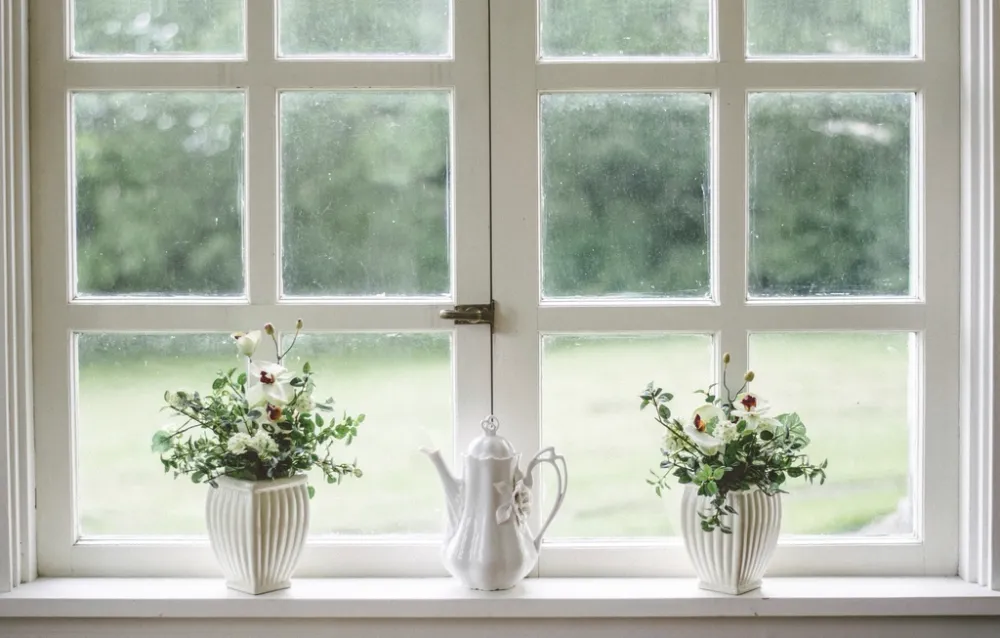 Photo: Unknown — CC via Openverse
Sort it into three simple levels:
- Bright light: Right by a window that gets direct morning or afternoon sun for several hours. Best for sun-lovers like monstera, aloe vera, and rubber plant.
- Indirect / medium light: A room with a window but no direct sun on the plant, or 1–2 meters back from the glass. This is what most houseplants like best.
- Low light: A corner with only reflected light or household lamps — a bathroom, hallway, or deep room corner. Only low-light champions survive here: ZZ, snake plant, Chinese evergreen.
⚠️ No plant can live in a pitch-dark room. "Low-light tolerant" does not mean "needs no light." If the spot is truly dark, the fix is to keep an LED lamp on at least 8–10 hours a day, or invest in a grow light (starting at a few hundred baht) so the plant survives where natural light doesn't reach.
One thing people in Thailand often forget: air conditioning. Many plants dislike a direct AC draft because it dries out the leaves and strips humidity. In an air-conditioned room, avoid spots in the path of the vent, and misting the leaves once or twice a week can help.
The 8 easiest houseplants of 2026
These are the plants beginners keep alive most easily — forgiving if you forget to water, and widely available in Thailand. Listed toughest first.
1. Snake Plant (Sansevieria) — The king of tough. Tolerates low light, survives drought, water every 2–3 weeks and it's fine. Upright leaves give a clean, minimal look. Perfect for anyone who's "killed every plant they've owned." ⚠️ Toxic to pets.
2. ZZ Plant (Zamioculcas zamiifolia) — As tough as snake plant, with glossy green leaves. Extremely low-light and drought tolerant; great for a dim corner. Water once or twice a month. ⚠️ Toxic to pets.
3. Pothos (Epipremnum) — Trails beautifully, grows fast, tolerates almost anything, and propagates absurdly easily — snip a stem, put it in water, and it roots. Great for hanging or shelves, and cheap. ⚠️ Toxic to pets.
4. Chinese Evergreen (Aglaonema) — Gorgeous patterned, multi-colored leaves, low-light tolerant, and easy. A lucky plant popular in Thai homes, with many varieties to choose from. ⚠️ Toxic to pets.
5. Monstera deliciosa — Big, holey leaves that steal the show — the star of modern homes. Likes indirect light and grows fast when it gets enough. ⚠️ Toxic to pets.
6. Spider Plant (Chlorophytum) — Fast-growing with cute dangling pups, and pet-safe ✅. Great hanging or on a high shelf, hardy, and you can propagate the pups for free.
7. Parlor Palm (Chamaedorea) — Feathery green fronds with a resort vibe, low-light tolerant, and pet-safe ✅. Easy to grow; great on the floor in a corner.
8. Calathea (Prayer Plant) — The most beautifully patterned leaves on this list, and pet-safe ✅ — but fussier than the rest: it likes high humidity and dislikes chlorinated tap water. Best for someone who wants a little more involvement.
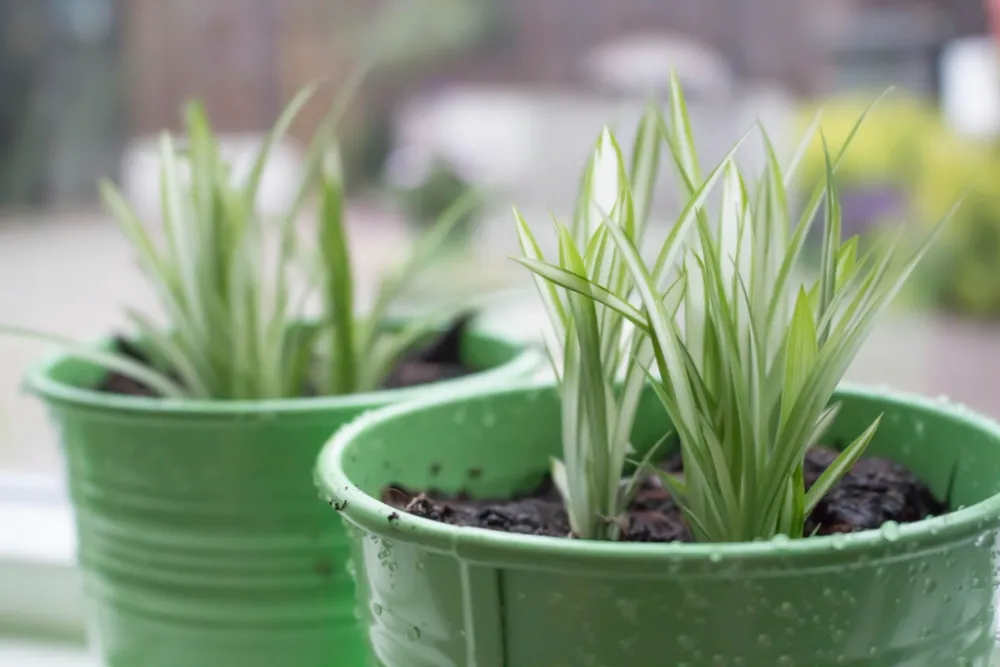 Photo: Unknown — CC via Openverse
Care comparison table
| Plant | Light | Watering | Difficulty | Starting price (4-inch) |
|---|---|---|---|---|
| Snake plant | Low–indirect | Every 2–3 weeks | Very easy | 60–150 THB |
| ZZ plant | Low–indirect | Every 2–4 weeks | Very easy | 100–250 THB |
| Pothos | Low–indirect | Weekly | Very easy | 50–120 THB |
| Chinese evergreen | Low–indirect | Weekly | Easy | 80–200 THB |
| Monstera | Indirect–bright | Weekly | Easy–medium | 100–300 THB |
| Spider plant | Indirect | Weekly | Easy | 50–150 THB |
| Parlor palm | Low–indirect | Weekly | Easy | 100–250 THB |
| Calathea | Indirect | Weekly (likes humidity) | Medium | 100–250 THB |
Prices as of June 2026; they vary by shop and plant size. Variegated or rare varieties cost much more.
Which plants are pet-safe — and which are toxic
If you have a cat or dog that likes to chew leaves, this is critical and you can't get it wrong. The ASPCA (American Society for the Prevention of Cruelty to Animals) database lists over 400 plants toxic to pets — and unfortunately, several of the most popular houseplants fall in the toxic group.
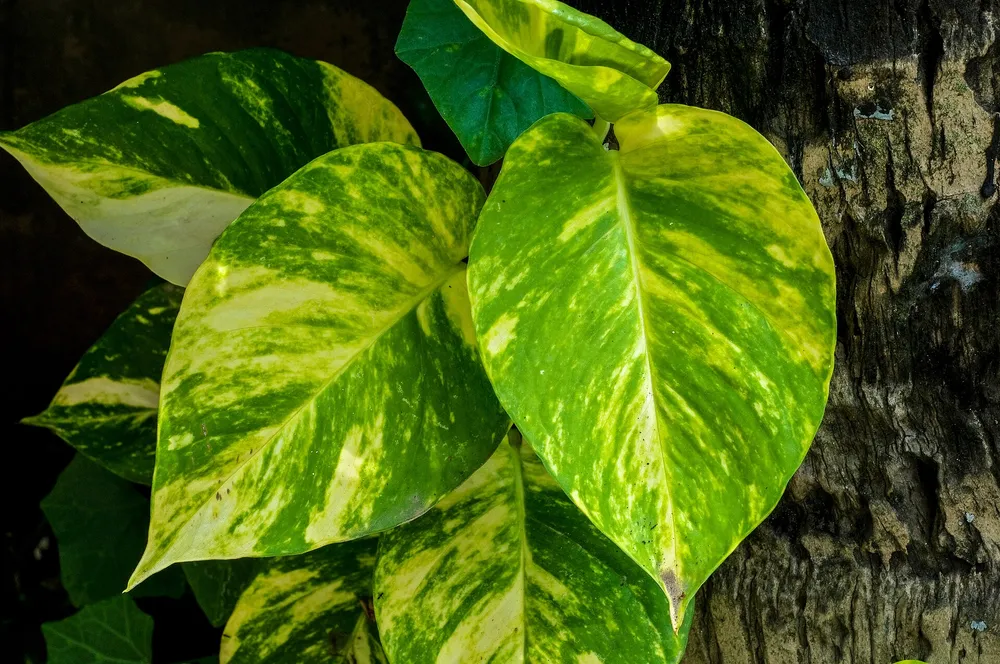 Photo: Wikimedia Commons — CC
Why are they toxic? Many popular plants — pothos, monstera, philodendron, Chinese evergreen — contain insoluble calcium oxalate crystals. When a pet chews them, the mouth, tongue, and throat swell, burn, and cause drooling, vomiting, and difficulty swallowing. Snake plant and aloe vera contain saponins that cause nausea, vomiting, and diarrhea. Most aren't fatal, but they're miserable and warrant a vet visit.
| ✅ Pet-safe (ASPCA) | ⚠️ Toxic to cats & dogs |
|---|---|
| Spider plant | Snake plant |
| Parlor palm | ZZ plant |
| Calathea / prayer plant | Pothos |
| Boston fern | Monstera |
| Peperomia | Philodendron |
| Areca palm | Aloe vera |
| African violet | All variegated pothos types |
Important note: "non-toxic" on the ASPCA list means eating it usually causes no serious harm — but eating a lot can still cause mild vomiting or diarrhea simply from the fiber. The best policy is to stop pets from eating any leaves at all. If you have pets and still want a toxic plant, place it on a high shelf, hang it from the ceiling, or keep it in a room pets can't reach. If your pet does eat a leaf and shows symptoms, get to a vet quickly and name the plant.
How to keep them alive in Thailand's hot, humid climate
Thailand's climate has both upsides and pitfalls for houseplants. The heat and humidity suit many tropical plants (which happens to describe most popular houseplants), so they grow well — but the same conditions tempt people into overwatering until the roots rot. Here's the care that actually works.
Watering — use the finger test, not a schedule. The most reliable method isn't "water every Monday" — it's pushing a finger 2–3 cm into the soil: if it's still moist, wait; if dry, water. Thailand's humidity dries soil more slowly than cold climates, so weekly is usually enough; drought-tolerant snake plant and ZZ can go 2–3 weeks. Water until it runs from the drainage holes, then tip out whatever collects in the saucer — never let the pot sit in water.
The pot must have drainage holes. This is the most important rule. A gorgeous pot with no hole is a root-rot trap. If you love a decorative pot with no hole, plant in a plastic nursery pot (with holes) inside it — a cachepot — and lift it out to water, then drop it back in.
Soil and repotting. Use a well-draining potting mix with perlite or coco coir; avoid dense, compacted soil. Repot when roots start poking out the drainage holes, or every 1–2 years, sizing up gradually.
Humidity and dusty leaves. In dry air-conditioned rooms, humidity-lovers like calathea and ferns get crispy leaf tips. Help them by misting, or set a tray of pebbles and water under the pot. For dusty leaves, wipe with a damp cloth once a month — clean leaves photosynthesize better (and look better too).
Fertilizer. Houseplants are light feeders. Use a slow-release or diluted liquid fertilizer once a month during the growing season (rainy season into early cool season), and cut back when growth slows. Too much fertilizer burns the roots.
Common mistakes that kill houseplants
Most houseplants don't die from "too little care" — they die from the wrong care, or from over-caring. These are the traps people fall into most.
- Overwatering. The number-one killer. Plant lovers water too often out of fear the plant is thirsty, but roots sitting in water suffocate and rot. The signs are yellow, soft leaves and constantly soggy soil — if you see that, stop watering, don't add more.
- Mismatching plant and light. Putting a sun-lover in a dark corner, or a shade plant in harsh sun until the leaves scorch. Fix it by choosing plants for the light you have (see the section above).
- Pots with no drainage holes. Pretty but lethal — standing water rots the roots. Use the cachepot trick instead.
- A direct AC draft. Dries out leaves, scorches the edges, strips humidity. Move the plant out of the vent's path.
- Not checking pet toxicity. Buying a plant and then having your cat chew it sick. Always check before buying if you have pets.
- Over-fertilizing. Thinking more food means faster growth — but concentrated fertilizer burns roots. Use it diluted and infrequently.
- Not acclimating a new plant. A plant fresh from a bright nursery, dropped suddenly into a dim home, can drop leaves from shock. Give it 1–2 weeks to adjust before you judge it.
Start a green corner on a budget
The good news is that starting with houseplants isn't expensive. You don't need rare, four-figure plants to make a home look good. Begin with cheap, hardy plants to build confidence, then graduate to more challenging ones.
Rough starting budget: A 4-inch pot of pothos, spider plant, or Chinese evergreen runs about 50–200 THB, plus 100–300 THB for a decorative pot and soil — under 500 THB for your first green corner. Cheaper still: take a cutting from a friend or buy a small plant and propagate it yourself. Pothos and spider plant root incredibly easily — snip a tip, put it in water for a few weeks, and you've got a free new plant.
When styling a corner, play with height — a big floor plant, a medium one on a shelf or table, and a trailing plant hung or set on a shelf edge so the leaves cascade. That gives the layered, magazine look. If your space is tight, plants are a great way to bring a small room to life (see more ideas in our small-room decorating guide). Choosing pots and decor in the same tones makes a corner look coordinated and more premium.
Want to know which day has good sun to take plants outside for light, or which rainy day to skip watering? Check our free local weather forecast to plan your plant care around the real daily conditions.
Verdict: pick the right one, care just enough
The easiest houseplant to keep alive isn't the most expensive or rarest — it's the one that matches the light you have and fits the care you can realistically give. If you're a beginner or tend to forget watering, start with snake plant, ZZ, or pothos — toughest, cheapest, easiest to find. If you have pets, choose pet-safe options like spider plant, parlor palm, or calathea. And if you want a striking, modern statement, monstera is the show-stopper that's still easy to manage.
And don't forget the key truth: grow plants because they're beautiful and good for your mind — not because you expect them to replace an air purifier. The research is clear that the air-cleaning effect is tiny in real homes, but the joy and atmosphere they bring are real and worth it. Start with one plant you can manage, keep it alive, and you'll likely be hooked enough to want a green corner in every room.
แหล่งอ้างอิง / Sources
- ScienceAlert — A NASA Study About Houseplants Has Been Widely Misread, Scientist Says: https://www.sciencealert.com/a-nasa-study-about-houseplants-has-been-widely-misread-scientist-says
- House Digest — Houseplants Won't Purify Your Home's Air: How NASA's Study Created A Myth: https://www.housedigest.com/1818048/do-house-plants-clean-air-myth-debunked/
- ASPCA — Toxic and Non-Toxic Plants database: https://www.aspca.org/pet-care/animal-poison-control/toxic-and-non-toxic-plants
- Blooming Expert — Pet-Safe Houseplants: 35 Non-Toxic Indoor Plants Verified Safe (ASPCA): https://www.bloomingexpert.com/tips/pet-safe-houseplants/
- Central Online — 10 ต้นไม้ฟอกอากาศในร่ม น่าปลูกในบ้าน 2026: https://www.central.co.th/e-shopping/best-indoor-trees
- PHS Online — Top 7 Indoor Low Light Houseplants: https://phsonline.org/for-gardeners/gardeners-blog/top-7-indoor-low-light-houseplants
Frequently asked questions
- Do air-purifying plants really clean the air in my home?
- Far less than the marketing suggests. A 2019 review found you would need roughly 10 to 1,000 plants per square meter to match what normal ventilation already does. Opening a window or running a HEPA air purifier works far better. Grow plants for beauty and wellbeing, not as an air cleaner.
- Which indoor plants are the easiest and most low-light tolerant?
- Snake plant and ZZ plant are the toughest — water every 2–3 weeks and they survive dim corners for a long time. Pothos and Chinese evergreen are next: hardy and fast-growing. All are ideal for beginners who forget to water.
- Which houseplants are safe for cats and dogs?
- Plants the ASPCA lists as non-toxic include spider plant, parlor palm, calathea (prayer plant), Boston fern, and peperomia. Snake plant, pothos, monstera, philodendron, and aloe vera are toxic if eaten — keep these out of reach.
- How often should I water houseplants in Thailand's hot, humid climate?
- Don't follow a fixed schedule. Push a finger 2–3 cm into the soil — if it's still moist, wait; if dry, water. Thailand's humidity keeps soil moist longer, so once a week is usually enough; drought-tolerant plants like snake plant can go 2–3 weeks. Overwatering is the number-one killer.
- Can I grow plants in a room with no windows at all?
- Every plant needs light to photosynthesize, so a pitch-dark room won't work. If you only have household lighting, pick low-light champions like ZZ or snake plant and keep the lights on 8–10 hours, or use a grow light (a few hundred baht) to fill the gap.
- What's the starting budget for houseplants?
- You can start for tens to a couple hundred baht. A 4-inch pot of a popular plant like pothos, spider plant, or Chinese evergreen runs about 50–200 THB. A small monstera starts around 100–300 THB (variegated rarities cost far more). Add 100–300 THB for a pot and soil and you have your first green corner.
Related articles

Mid-Autumn Festival 2026: Date, Rituals + 10 Mooncakes Worth Trying
Mid-Autumn Festival 2026 falls on September 25. When and how to make the offering, plus 10 ranked mooncakes from budget to premium gift boxes, with real prices.

10 Best Water Pumps for Flood Season Thailand 2026: What Not to Buy
10 best water pumps for Thailand's 2026 flood season, from ฿600 submersible pumps to ฿9,000+ petrol engines, with a price/power/flow comparison table and buying advice.

9.9 Shopee Lazada 2026: 10 Categories Worth Buying + How to Stack Deals
When is 9.9 Shopee-Lazada 2026, and which categories are worth buying? 10 ranked picks, coupon/coin stacking tricks, and scams to watch for.