SpaceX Catches a Starship Returning From Orbit for the First Time
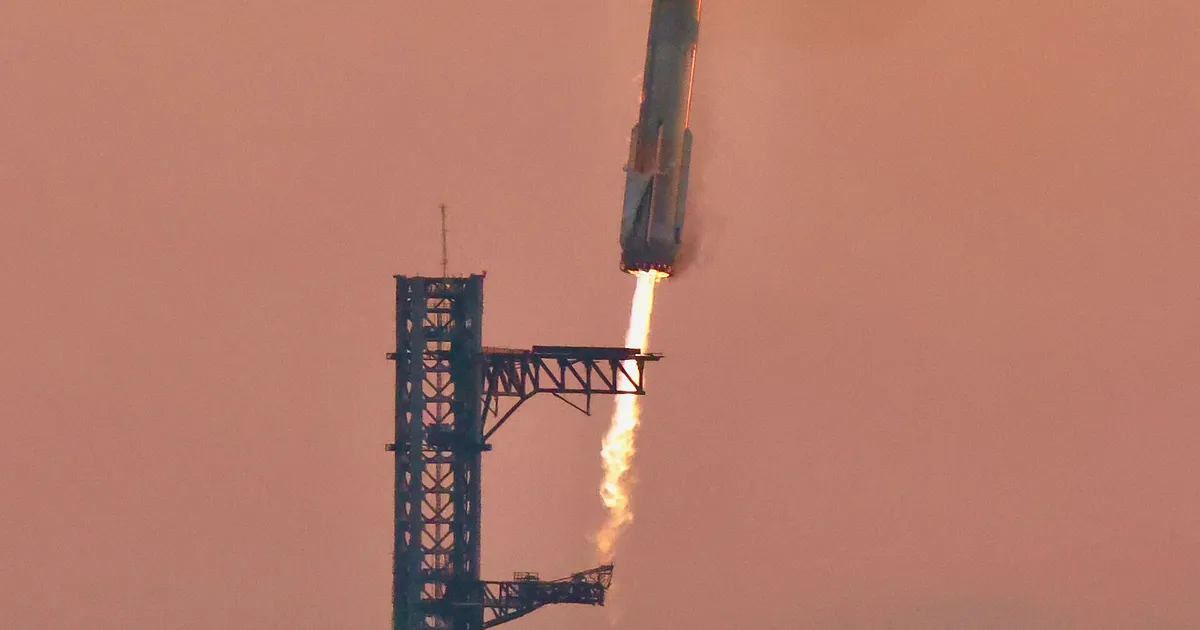
SpaceX caught its Starship upper stage with the launch tower’s mechanical arms on November 14, 2026, about 22 hours after liftoff — the first time a spacecraft returning from orbit has been caught this way. The flight was the 15th full-scale Starship test, launched from Starbase in South Texas on Friday, November 13.
What happened
The 124-metre (407-foot) rocket lifted off in the late afternoon and the upper stage separated from the booster. Ship 42 then circled Earth 14 times at roughly 265 km (165 miles) up, compared with one or two laps on the previous orbital mission, and released 26 Starlink satellites. Universe Today reports the ship also fired an engine for about 10 seconds to begin its descent.
Coming back, it flipped through its belly-first descent, righted itself, relit its engines and settled into the arms of the tower. SpaceX commentator Dan Huot called out, "Look at her! Baby, she's back!" SpaceX said all systems, including the heat shield, appeared to perform well, though engineers will study the data.
The booster did not return as planned
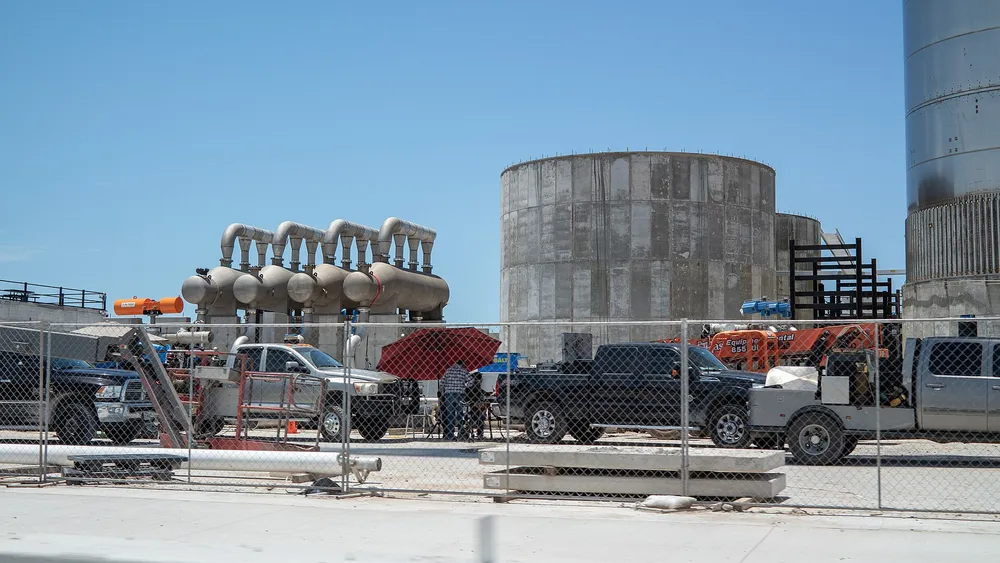 Photo: Alexander Hatley from Spring, Texas, USA — CC BY 2.0 (Wikimedia Commons)
The planned "double catch" — booster and ship — did not happen. Reports differ on the details: the AP says the booster’s engines shut down too soon and its guidance system triggered a self-destruct over the Gulf of Mexico, while Universe Today describes the catch being aborted after a fuel-system alarm and the booster diverted offshore. Both agree the booster was not caught and that SpaceX is investigating. SpaceX had already caught three boosters on earlier flights.
Why it matters
A rocket that can be recovered and flown again quickly is the key to cheaper access to space. Boosters have been caught before; a ship coming back from orbit is the harder half, because it must survive reentry heat before being guided to a precise spot.
NASA Administrator Jared Isaacman wrote on X that the catch was "almost magic." SpaceX chief Elon Musk congratulated his team.
What it means for the Moon
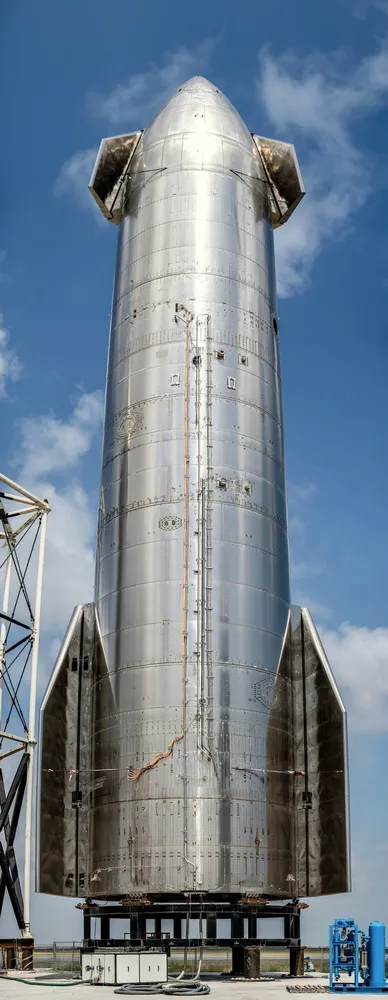 Photo: Lars Plougmann from United States — CC BY-SA 2.0 (Wikimedia Commons)
NASA is counting on Starship as a lunar lander. Its next Artemis mission, Artemis III, will stay in Earth orbit to practise docking with both Starship and Blue Origin’s Blue Moon lander. NASA is targeting as early as 2028 for Artemis IV, the first crewed Moon landing since Apollo. NASA has also opened up to $10 billion in lunar delivery contracts to SpaceX, Blue Origin and others.
What’s next
SpaceX expects to begin Starship launches from Florida’s Kennedy Space Center within months, and a Louisiana site is planned. Engineers will analyse heat-shield performance and find the cause of the booster problem before the next flight.
Key facts
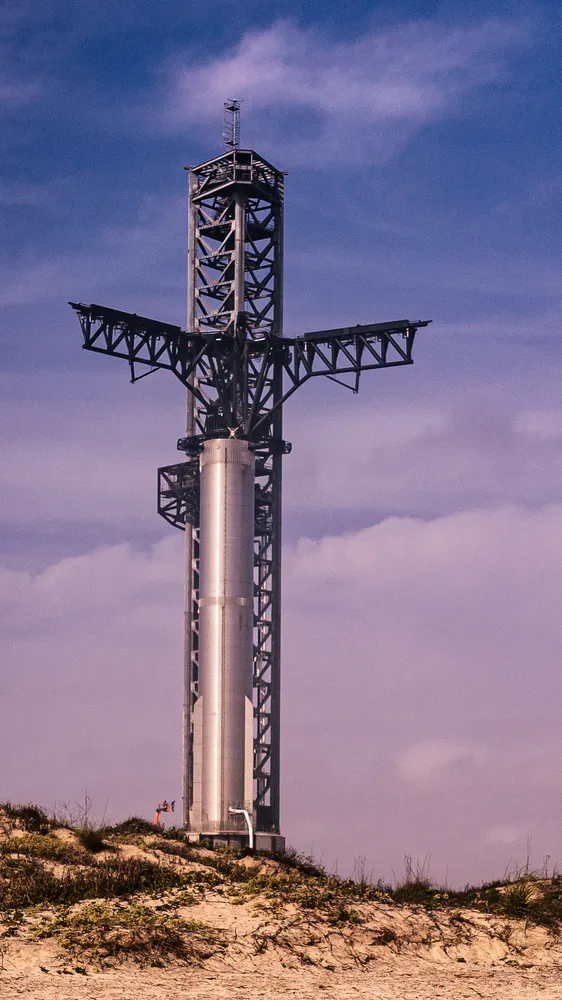 Photo: Mobilus In Mobili — CC BY-SA 2.0 (Wikimedia Commons)
- Flight: 15th full-scale Starship test, launched November 13, 2026
- Duration: about 22 hours, 14 orbits
- Payload: 26 Starlink satellites
- Caught: Ship 42 (upper stage); the booster was not caught
Information as of November 19, 2026. Figures vary slightly between outlets.
Sources
Frequently asked questions
- What exactly was caught?
- Ship 42, the roughly 52-metre upper stage of Starship, was caught by the launch tower’s arms (nicknamed “Mechazilla”) at SpaceX’s Starbase site in Texas after returning from orbit.
- Why does catching the ship matter?
- Reusing both stages quickly, without long refurbishment, is the route to lower launch costs. SpaceX had caught boosters before; this is the first catch of a ship coming back from orbit.
Related news
 World
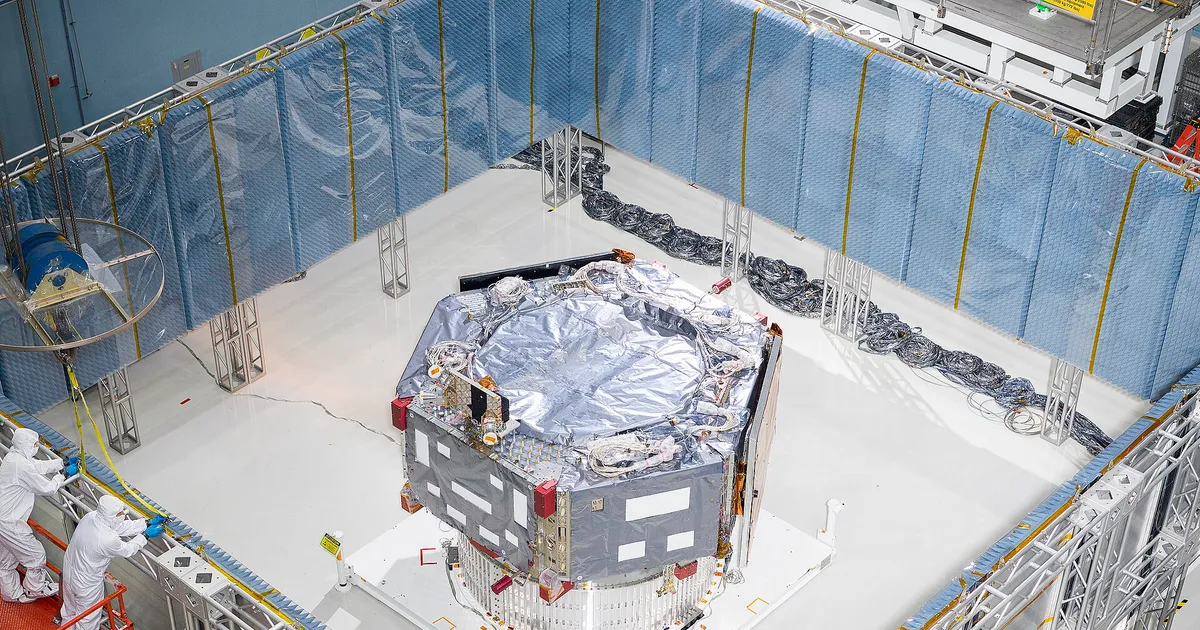
NASA Set to Launch Roman Space Telescope to Probe the Universe
NASA is set to launch the $4.3 billion Nancy Grace Roman Space Telescope aboard a Falcon Heavy on Aug 30, 2026, to investigate dark energy and hunt for exoplanets.
 World
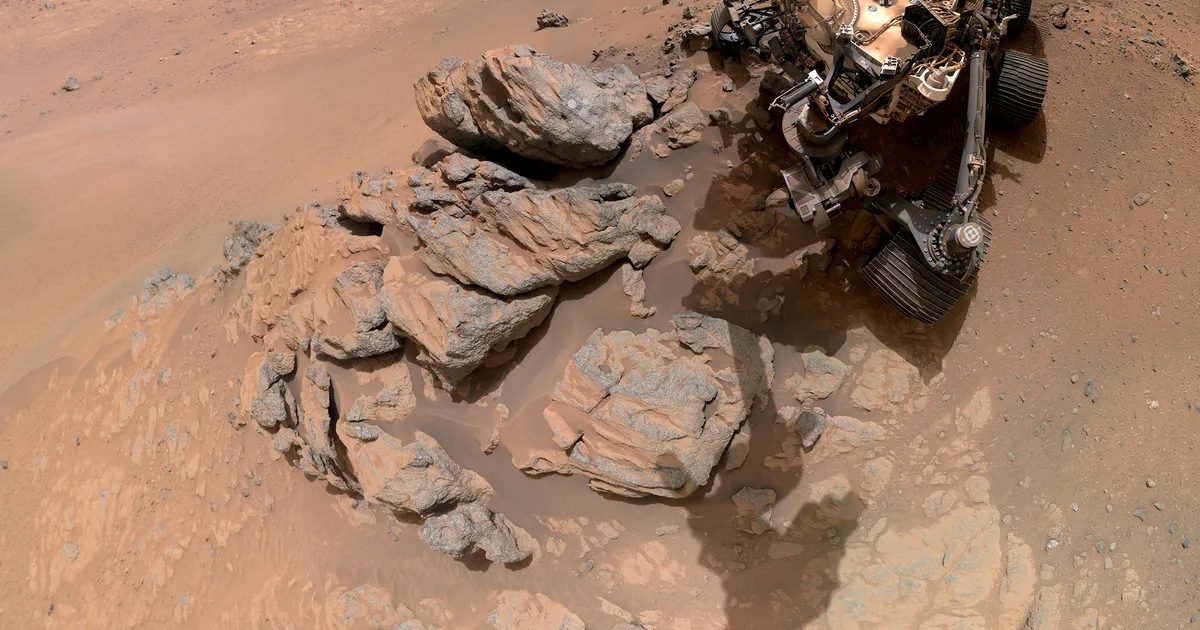
Perseverance Sets Record for Farthest Drive on Another World
NASA's Perseverance has driven 45.22 km on Mars, passing Opportunity's 45.16 km record in about a third of the time, mostly under its own AutoNav control.
 World
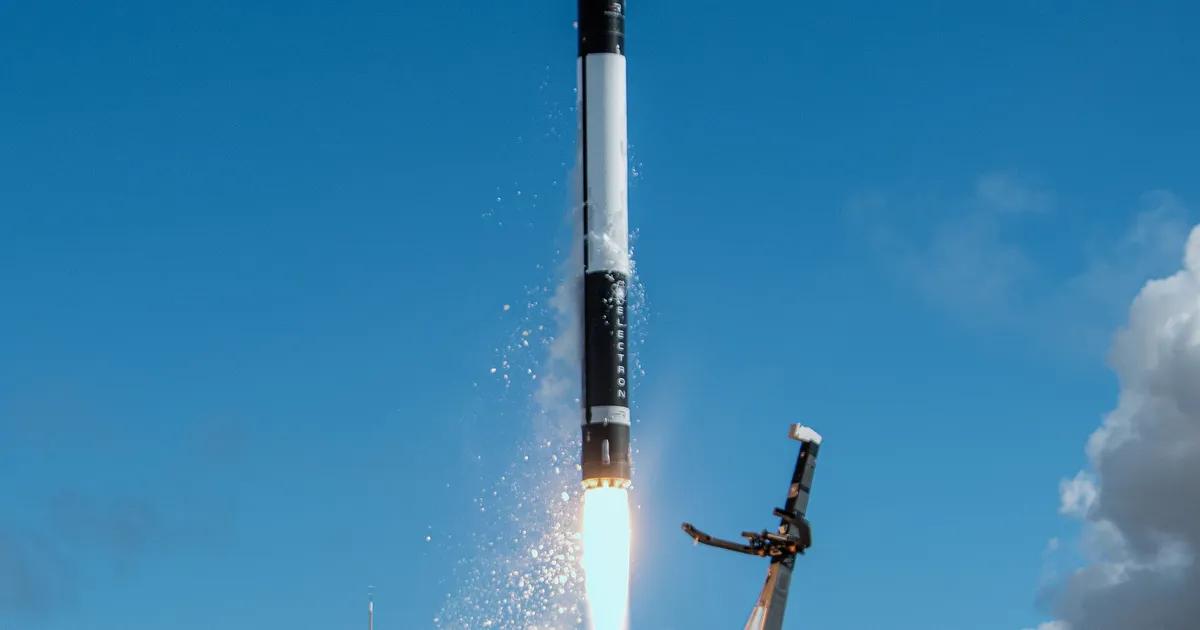
Rocket Lab Launches Its 100th Electron, Fastest Commercial Rocket to 100
Rocket Lab flew its 100th Electron from New Zealand on Nov 14, 2026, carrying a radar satellite for Japan’s iQPS — the fastest commercial rocket to the mark, it says.