Trump Hits Canada with 50% Tariffs — A New Trade-War Escalation Shakes Global Markets

On July 21, 2026, President Donald Trump signed an executive order imposing 50% tariffs on approximately $20 billion worth of Canadian imports — a dramatic escalation of the US–Canada trade dispute that analysts say represents the most severe economic confrontation between the two neighbours in modern history.
The new tariff round is notable for its legal basis, its rate, and the fact that it targets goods previously protected under the United States–Mexico–Canada Agreement (USMCA), the free-trade deal Trump himself negotiated during his first term.
President Donald Trump — Public Domain / Wikimedia Commons
What Products Are Being Hit?
The tariffs are targeted rather than blanket — they focus on sectors where Washington claims Canada has discriminated against American goods:
- Wine and spirits
- Dairy products (butter, cheese, milk powder)
- Cement and construction materials
- Furniture and home goods
- Clothing and textiles
- Sporting goods (hockey sticks, fishing rods)
- Seeds and certain agricultural products
Notably exempt from this round: oil and natural gas, critical minerals, potash, fish, and goods already subject to separate sector-specific tariffs.
The legal mechanism is unusual: the White House invoked Section 338 of the Tariff Act of 1930 — a Depression-era provision that allows the president to impose tariffs of up to 50% on nations deemed to discriminate against American goods, without requiring Congressional approval. Earlier Trump tariff orders had been struck down by the Supreme Court, making Section 338 an untested new legal angle.
Why Is Trump Doing This?
The US Trade Representative cited five specific grievances against Canada:
- Alcohol: Canada removed American liquor products from the shelves of government-run liquor stores.
- Dairy: Canada gave the European Union better dairy market access than the US under the CPTPP framework.
- Vehicles: Canada capped the volume of American vehicle exports it accepts.
- Trade surplus: Canada ran a $46.4 billion goods trade surplus with the US in 2025.
- Retaliation: Trump argued Canada was "the only country besides China" to hit back at his earlier tariff rounds.
The tariffs are set to take effect in 30 days, around August 20, 2026.
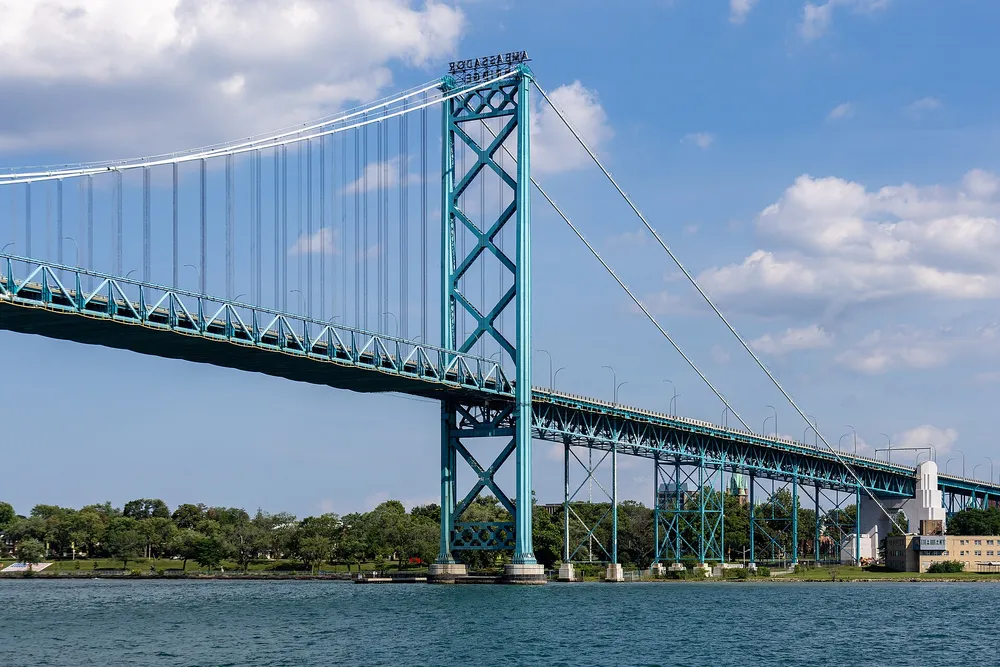 US–Canada border crossing — illustrative photo
How Is Canada Responding?
Prime Minister Mark Carney struck a dual tone in his rapid public response.
On one hand, he confirmed that Canada is "ready to engage intensively" and that the two leaders have agreed to "intensify negotiations" on USMCA renewal (the agreement isn't set to expire until 2036).
On the other hand, he labelled the move a "direct violation of USMCA" and noted that Canada had already submitted "a series of detailed and comprehensive proposals to resolve this dispute" — without a meaningful US response.
At the provincial level, Ontario Premier Doug Ford was far more combative, publicly demanding that Ottawa retaliate "tariff for tariff, dollar for dollar" if the measures proceed.
Canada has previously matched US auto tariffs from earlier rounds, but as of the announcement, the federal government has not declared any immediate counter-measures.
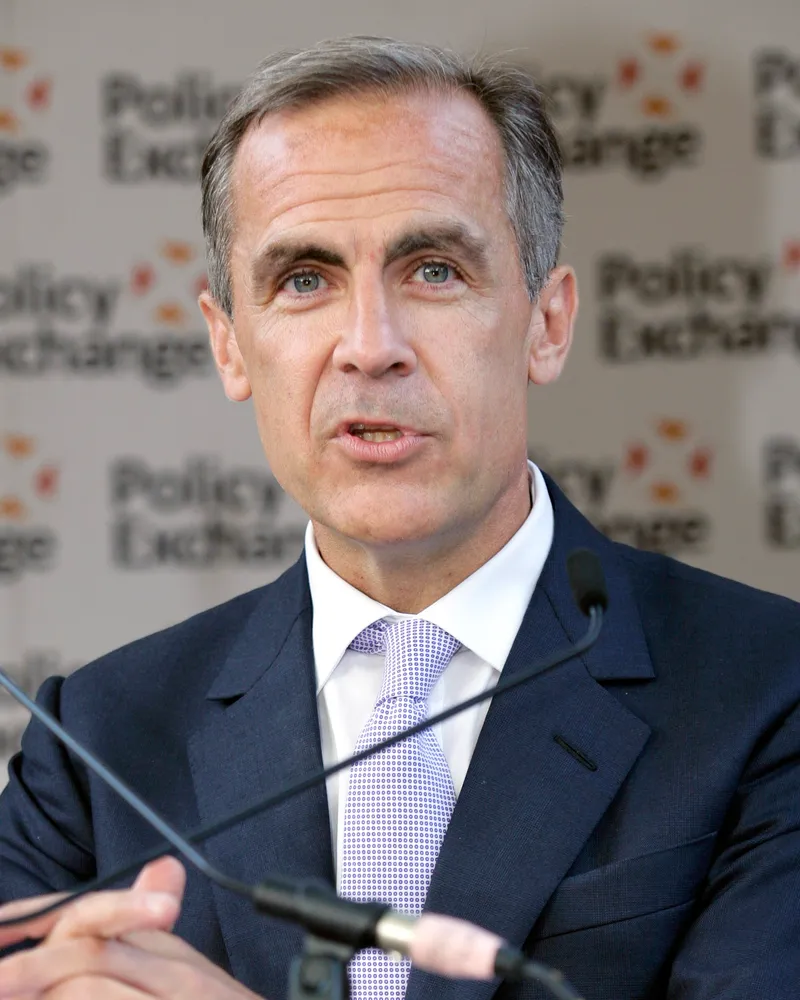 Mark Carney, Prime Minister of Canada — via Wikimedia Commons
What This Means for the Global Economy
The targeted goods represent only about 5.2% of Canada's total $382 billion in US exports — significant, but not an outright trade shutdown. Still, the ripple effects could extend further:
Supply chain shifts: Canadian wine, dairy, and cement facing a 50% surcharge may push US buyers toward alternatives from other suppliers, including potential openings for exporters in third countries.
Investor confidence: The willingness to impose 50% tariffs on America's closest trading partner sends a clear signal that no country should consider itself immune. Nations heavily reliant on US export markets — including Thailand, which ships significant volumes of electronics, rubber, and automotive parts to the US — are watching carefully. Thailand's recent recognition by the IMF as one of the world's top AI hardware exporters underscores how much the country has at stake in stable US trade relations.
Inflation and interest rates: Pricier Canadian goods in the US could keep inflation elevated, potentially slowing the Federal Reserve's pace of rate cuts and rippling into global currency and bond markets.
The Bank of Canada and several private-sector economists have warned that full-scale retaliation could tip Canada's economy into recession.
What Happens Next
- Before August 20: Canadian negotiators will push hard to reach a deal before the tariffs take effect — the window is narrow.
- Legal challenge: Section 338 has never been tested at the Supreme Court level, opening the door to prolonged legal battles that could delay implementation.
- Canadian counter-tariffs: Carney has stopped short of announcing immediate retaliation, but pressure from Ford and opposition parties is mounting.
- USMCA future: The free-trade agreement underpinning North American commerce is once again being stress-tested, even as formal renewal talks accelerate.
The US–Canada trade war is a reminder that even the closest economic partnerships are not sheltered from the sharp edges of modern trade politics — a lesson that export-dependent economies around the world, including Thailand, are being forced to absorb. This comes as tensions in the Persian Gulf continue to pressure global shipping routes, adding another layer of uncertainty to the global trade outlook.
Data as of July 22, 2026. Situation may change as negotiations develop.
Sources
Frequently asked questions
- When do Trump's 50% Canada tariffs take effect and what products are covered?
- The tariffs take effect 30 days after the July 21, 2026 announcement, around August 20, 2026. They cover roughly $20 billion worth of Canadian goods including wine, dairy products, cement, furniture, clothing, and sporting goods. Oil, gas, critical minerals, potash, and fish are exempt.
- How could the US–Canada trade war affect Thailand?
- The direct impact on Thailand is limited in the short term since the tariffs target Canadian goods specifically. However, the broader signal is significant: if the US is willing to impose 50% tariffs on its closest trading partner, no exporting nation can consider itself fully insulated. Thailand, which counts electronics, rubber, and auto parts among its key US exports, should monitor US trade policy closely.
Related news
 World
WorldUS Strikes Iran Again as Three Tankers Attacked in Strait of Hormuz
Three commercial vessels were attacked in the Strait of Hormuz on July 7, 2026 — the US struck Iran and reimposed oil sanctions, lifting Brent crude 5.5%.
 Thailand
US Imposes 12.5% Tariff on Thai Goods, Thailand Races to Negotiate It Down to 10%
The US began charging a 12.5% tariff on most Thai goods on July 24, 2026, citing forced-labour concerns. 2,120 product lines are exempt as Thailand pushes for a trade deal to match neighbours' 10% rate.
 World
WorldA Quiet Milestone: 79% of the World's Adults Now Have a Financial Account
The World Bank's Global Findex 2025 finds 79% of adults worldwide own a bank or mobile-money account, up from 51% in 2011, driven by mobile phones.