Chiang Mai Travel Guide 2026: Complete Guide to Doi Suthep, Doi Inthanon, Night Markets, 3-Day Itinerary & Real Costs

Chiang Mai is the kind of city you visit once and can't wait to return to — 700-year-old temples line the streets of the ancient walled city, Doi Suthep watches over the city from the clouds above, giant waterfalls cascade from the roof of Thailand, a thriving café culture keeps the city humming, and northern Thai food unlike anything you'll taste elsewhere. All of this sits just 700 km from Bangkok — or a little over an hour by air.
What most visitors miss: the rainy season (July–October) is actually when Chiang Mai looks its best all year. Waterfalls are at full power, the air is clean (the PM2.5 smog season is February–April), there are far fewer tourists, and accommodation drops up to 40% from winter peak prices. This guide gives you everything you need to know for Chiang Mai in 2026 — entry fees, four ways to get there with real cost comparisons, accommodation areas, where to eat (with specific restaurant names), a 3-day 2-night itinerary, and an itemized budget.
Chiang Mai in the Rainy Season: Is It Worth It?
Many travelers worry about visiting during the rains. The reality: Chiang Mai is one of very few Thai destinations that is genuinely better in the wet season. Rain in Chiang Mai typically falls in the afternoon and evening — mornings are usually clear, perfect for mountain trips and waterfall hikes.
| Factor | Rainy Season (Jul–Oct) | Peak Winter (Nov–Jan) | Hot Season (Mar–May) |
|---|---|---|---|
| Temperature | 24–31°C (comfortable) | 15–25°C (cool-cold) | 30–40°C (very hot) |
| Crowds | Low (short queues) | Highest (long queues) | Moderate |
| Accommodation | Cheapest (30–40% less) | Most expensive | Mid-range |
| Waterfalls | Best flow (peak beauty) | Good (post-rain) | May run dry |
| Air quality | Excellent (rain clears air) | Good | Terrible (PM2.5 peaks) |
| Landscape | Lush, vivid green | Good | Dry and brown |
| Issues | Slippery roads, afternoon rain | Cold nights, big crowds | Heat, poor air quality |
The biggest rainy season advantage: from February through April, Chiang Mai frequently ranks among the worst cities in the world for PM2.5 pollution (AQI above 200 on bad days). The rains wash all of that away. For anyone with respiratory concerns, avoiding the dry season is a health decision, not just a preference.
Rainy season cautions: Mountain roads are slippery, especially on motorcycles. Some hiking trails close for forest recovery (the Kew Mae Pan Nature Trail on Doi Inthanon closes July–October). Plan mountain trips for mornings to beat afternoon rain.
Top Attractions in Chiang Mai City
Doi Suthep — Chiang Mai's Iconic Temple
Going to Chiang Mai without climbing Doi Suthep is like visiting Paris without seeing the Eiffel Tower. Wat Phra That Doi Suthep sits at 1,073 metres above sea level, with views over the entire city below. The five-tiered golden chedi is draped with hundreds of bronze bells that chime in the mountain breeze — a sound you won't forget.
Verified facts for 2026:
- Entry fee: 30 THB
- Hours: 06:00–20:00 daily
- Cable car up the 306 steps: +20 THB (optional — walking takes about 5 minutes)
- Dress code: Shoulders and knees must be covered; free sarongs available at the entrance gate
- Getting there: Shared red songthaew from outside Chiang Mai Zoo, Huay Kaew Road — wait for ~10 passengers, then 40–60 THB per person | Private charter ~800 THB return with waiting | Grab sometimes refuses to go up the mountain — confirm before booking
Tips: Go before 09:00 to avoid tour buses and heat. Morning light is beautiful. Evening visits (after 16:00) are also excellent but the road can be mist-shrouded after afternoon rain.
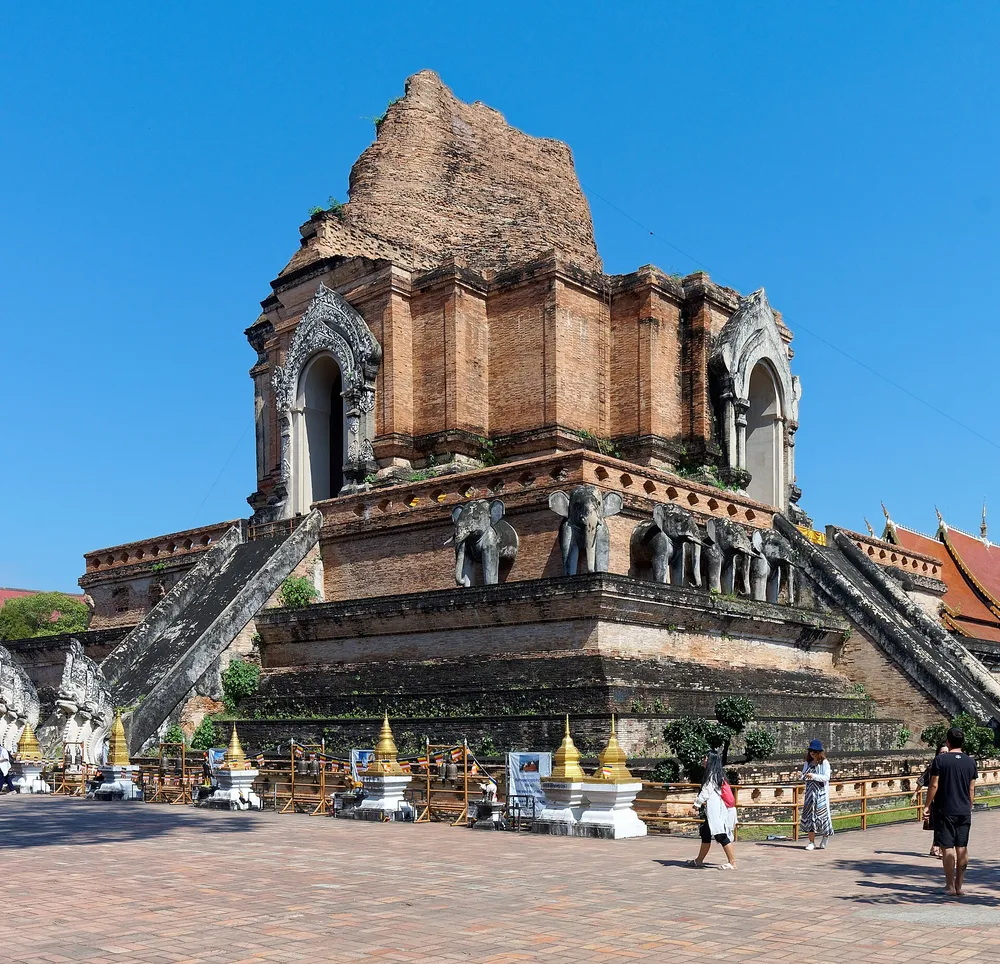
Wat Chedi Luang + Wat Phra Singh — Old City Temple Walk
These two temples are the heart of Chiang Mai's Old City and within a 10-minute walk of each other — pair them in a single morning.
Wat Chedi Luang — Built in 1441, the central chedi once stood over 60 metres tall, the tallest structure in Lanna. An earthquake in 1545 toppled the upper section, but even in its current state it commands respect. The green naga (serpent) statues flanking the base are among the most photographed in northern Thailand. The city pillar (Lak Mueang) is inside the main assembly hall.
- Entry: 40 THB for foreigners | Thai nationals free
- Hours: 06:00–18:00 daily
- Dress code: Shoulders and knees covered; remove shoes at building entrances
Wat Phra Singh — The principal royal temple of Chiang Mai, built in 1345. The Wihan Lai Kham assembly hall is considered the finest example of Lanna architecture in the city, with rare antique murals depicting northern Thai life.
- Entry: 40 THB (Wihan Lai Kham) | main compound free
- Hours: 06:00–18:00 daily
Walking Streets — The Best Free Entertainment in Chiang Mai
Chiang Mai has two walking street markets on separate days:
Saturday Walking Street (Wualai Road) — Runs through the silversmith district from the south gate of the Old City. 17:00–23:00. Handcrafted silverware, local handicrafts, northern food, and a genuinely local market feel. Less touristy than the Sunday market.
Sunday Walking Street (Ratchadamnoen Road) — The largest street market in Chiang Mai, stretching from Tha Phae Gate into the Old City. 17:00–23:00. Food stalls, art, clothing, handcrafts, organic products, street performers. Estimated attendance on peak Sundays: tens of thousands of people.
Both markets are free to enter. Food 40–70 THB per item. Souvenirs 50–500+ THB depending on what you buy. If you're in Chiang Mai on a Saturday or Sunday evening, this is a must.
Nimman Road (Nimmanhaemin)
Nimman is Chiang Mai's answer to Bangkok's Thonglor — boutique cafés, design shops, brunch restaurants, coworking spaces, and a strong digital nomad culture, all clustered near Chiang Mai University and Maya Mall.
No entry fee; exploring is free. Café minimums typically 100–200 THB though many have none. Best for coffee, brunch, or a relaxed afternoon and evening if you want a break from temples.
Warorot Market (Kad Luang)
Chiang Mai's oldest local market, open daily 09:00–17:00. Fabrics, spices, dried goods, snacks, fresh produce — all at prices 30–50% lower than tourist markets. Most stall owners are local Chiang Mai residents; it's a great place to stock up on northern Thai products like dried chili paste, local sausage, and specialty teas.
Doi Inthanon — Thailand's Rooftop and the Best Waterfall Day Trip from Chiang Mai
Doi Inthanon is the highest peak in Thailand at 2,565 metres and the most rewarding day trip from Chiang Mai — especially in the rainy season when every waterfall is thundering at maximum power. It lies ~90 km southwest of the city, about 2 hours by car.
Entry fees, Doi Inthanon National Park (2026):
| Visitor | Fee |
|---|---|
| Thai adults | 60 THB |
| Thai children (under 14) | 30 THB |
| Foreign adults | 300 THB |
| Foreign children | 150 THB |
| Car (additional) | 30 THB |
| Motorbike | 20 THB |
Park hours: 05:30–18:30 daily
Waterfalls Not to Miss
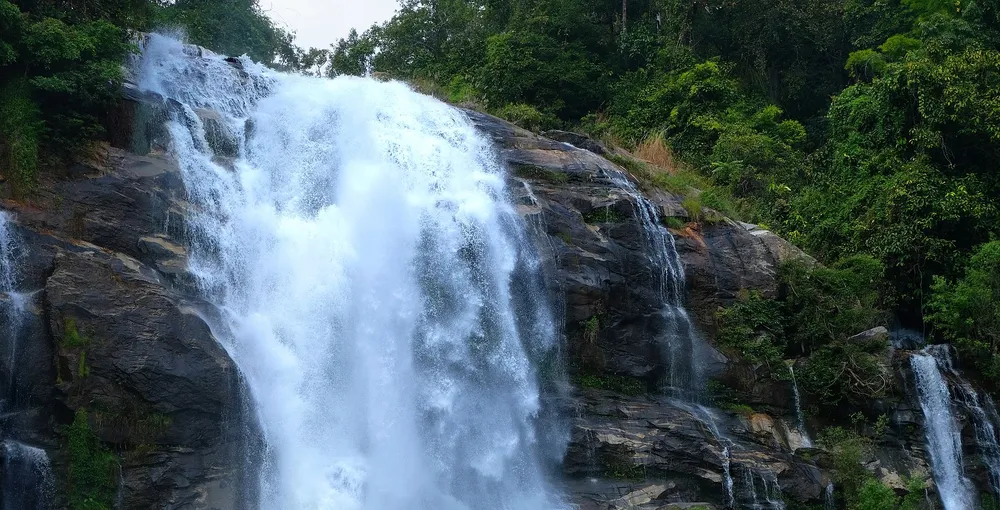
Wachirathan Waterfall — The most dramatic. A 70-metre-wide curtain of water dropping 70 metres into a gorge — in the rainy season the spray reaches dozens of metres from the fall, so bring a waterproof jacket or poncho. 5-minute walk from the car park. Spend 30–45 minutes. No swimming — currents are lethal year-round. Go before 10:00 for good light and fewer people.
Mae Ya Waterfall — The most beautiful. A multi-tier 260-metre cascade with emerald-green pools in the rainy season. Located just outside the main park road and requires a detour, but absolutely worth it. Allow 1–2 hours. Morning sunlight filtering through the mist at 07:00–09:00 is extraordinary.
Mae Klang Waterfall — Just inside the park entrance. Easily accessible, family-friendly, picnic areas nearby.
Sirithan Waterfall — Gentle cascade with a dedicated viewing platform. Good for those who want a waterfall view without a long walk.
⚠️ Kew Mae Pan Nature Trail is closed during the rainy season (approximately July–October) for forest recovery. If this trail is a priority, visit in the cool-dry season (November–January). (See more sea-of-fog cool-season destinations across Thailand in our 10 best cool-season trips in Thailand.)
Getting to Doi Inthanon: There is no direct public transport. Options:
- Hire a driver/car: 800–1,200 THB return (negotiate beforehand); allows flexible timing
- Day tour: 400–800 THB per person (bus + guide, entry fees not included) — book through your hostel or a city agency
- Drive yourself: If you have a rental car, Google Maps navigation is reliable. Drive carefully on steep mountain curves in the rain.
Recommended day schedule: Leave Chiang Mai 07:00 → Mae Ya 09:00 (early light is stunning) → Wachirathan 11:00 → Summit/Pagodas 12:30 → Mae Klang 14:00 → back in the city by 17:00
Elephant Sanctuaries — How to Have a Genuine, Ethical Experience
Chiang Mai is the elephant sanctuary capital of Thailand, but quality and ethics vary enormously. Riding elephants, elephant performances, and "painting" shows involve training methods that cause the animals distress — well-documented by animal welfare researchers. Two options we recommend:
| Elephant Nature Park (ENP) | Elephant Jungle Sanctuary (EJS) | |
|---|---|---|
| Ethos | Highest standards; no riding; no shows | No riding; allows swimming with elephants |
| Half-day program | 2,500 THB (buffet lunch + hotel transfer) | 1,900 THB (6-hour program) |
| Experience | Observe and feed elephants at natural distance | Feed elephants and wade in the river together |
| Location | Mae Taeng valley, ~60 km from city | Multiple locations near the city |
| Hotel pickup | Free within 5 km of Old City | Free within 5 km of Old City |
| Advance booking | Essential — books out weeks ahead | 1–2 weeks recommended |
Recommendation: If budget allows, ENP is the gold standard for rescue and rehabilitation. EJS is also a solid ethical choice and costs less. Both require advance booking; check official websites for current prices.
How to Get from Bangkok to Chiang Mai — 4 Options Compared
| Transport | Time | Cost | Pros | Cons |
|---|---|---|---|---|
| Plane (DMK→CNX) | 1 hr 20 min | 1,000–3,000 THB/person | Fastest | Book ahead; prices vary |
| Train (Hualamphong) | 11–14 hrs | 768–2,446 THB | Sleeper = free night's accommodation | Slow; book 2–4 weeks ahead |
| VIP Bus (Mo Chit 2) | 9–11 hrs | 500–900 THB | Cheapest; frequent departures | Long ride |
| Drive | 8–10 hrs | ~600 THB fuel per car | Full flexibility | Tiring; parking in the city is tricky |
Best choice by priority:
- Fastest: AirAsia / Nok Air from Don Mueang (DMK) — book 2–4 weeks ahead for the best prices
- Cheapest: VIP bus Nakhonchai Air or Budsarakam from Mo Chit 2
- Best experience: Overnight 2nd-class sleeper train (768–1,038 THB) — board in Bangkok evening, wake up in Chiang Mai. You save a night's hotel.
The most popular overnight train (No. 9) departs Hualamphong at 18:40 and arrives Chiang Mai at 07:15 the next morning. Book on 12go.asia or the State Railway of Thailand website at least 2–4 weeks in advance — 1st-class compartments are very limited and sell out quickly.
If you're planning a multi-city road trip through northern Thailand, see our Thailand road trip guide for routing and planning tips.
Getting Around Chiang Mai
Red Songthaew (shared pickup truck) — The main public transport. Shared fares run 30–60 THB per person per route; tell the driver your destination before boarding. Cheap but you may wait 20–40 minutes for enough passengers to fill the truck.
Grab — Available and reliable throughout the city. Fares 40–100 THB for short city trips, minimum ~80–100 THB. Better than a non-metered taxi; GPS-tracked, 24/7. For two or more people going a short distance, a songthaew can still be cheaper at 30–40 THB/person.
Scooter rental — 150–300 THB per day (Honda Wave 110cc typically around 200 THB/day). ⚠️ Not recommended in the rainy season for inexperienced riders — roads are slippery, potholes fill with water and become invisible, and tourist accident rates on mountain roads spike significantly every wet season.
Bicycle — 60–100 THB/day. Fine for exploring the flat Old City; not suitable for mountain routes.
Accommodation in Chiang Mai — Choose Your Area by Lifestyle
Old City (Inside the Moat)
Best for: First-time visitors, temple and culture seekers, budget travelers.
- Walk to all major temples; Sunday Walking Street is right there
- Widest range of budget guesthouses and hostels
- Some noise on weekend market nights
| Level | Price/night | Notes |
|---|---|---|
| Hostel dorm | 200–500 THB | Lub d, Hostel By Bed |
| Guesthouse/room | 400–800 THB | Many options; check Agoda |
| Boutique hotel | 1,000–3,000 THB | Rachamankha (luxury end) |
Nimmanhaemin (Nimman)
Best for: Digital nomads, café culture lovers, younger travelers, mid-range budget.
- Best café scene in northern Thailand; near Chiang Mai University and Maya Mall
- 10–15 min from Old City temples
- More expensive than Old City but livelier dining scene
| Level | Price/night | Notes |
|---|---|---|
| Hostel | 420–600 THB | ALEXA Hostel Nimman |
| Mid-range hotel | 900–2,500 THB | Various on Booking.com |
| Boutique/luxury | 3,000+ THB | Akyra Manor |
Riverside (Charoen Prathet / Mae Ping)
Best for: Couples, luxury travelers, those seeking a calm retreat.
- River views, upscale resorts, peaceful
- 5 min from Old City by car
- Fewer budget options; strong luxury selection
| Level | Price/night | Notes |
|---|---|---|
| Mid-range | 800–2,500 THB | Na Nirand Boutique Resort |
| Luxury resort | 3,500–8,000+ THB | Anantara Chiang Mai Resort |
Rainy season note: All accommodation categories are 30–40% cheaper than peak winter (December). Book via Agoda or Booking.com and compare prices; some hotels require a 2-night minimum on weekends.
Northern Thai Food You Have to Try
Northern Thai cuisine (อาหารเหนือ) is entirely different from central Thai food — richer, more herbaceous, with influences from Lanna, Shan, and Burmese cooking traditions. These are the dishes to seek out:
| Dish | Description | Local stall price |
|---|---|---|
| Khao Soi (ข้าวซอย) | Egg noodles in coconut curry broth + crispy noodle topping; choose chicken or beef | 50–70 THB |
| Sai Oua (ไส้อั่ว) | Grilled pork sausage packed with lemongrass, kaffir lime, galangal | 20–40 THB/piece |
| Nam Prik Num (น้ำพริกหนุ่ม) | Roasted green chili dip; served with pork rinds, sticky rice, raw vegetables | 40–60 THB |
| Nam Prik Ong (น้ำพริกอ่อง) | Red chili-pork dip; similar presentation to Nam Prik Num | 40–65 THB |
| Gaeng Hung Le (แกงฮังเล) | Burmese-influenced slow-cooked pork curry; complex, aromatic, mildly sweet | 60–100 THB |
| Khao Niao (ข้าวเหนียว) | Steamed sticky rice — the northern Thai staple alongside every dish | 5–20 THB |
Best Khao Soi restaurants:
- Khao Soi Lung Prakit Kad Kom — A local institution, featured on Netflix "Somebody Feed Phil." From 60 THB.
- Khao Soi Mae Sai — Michelin Bib Gourmand 2026. From 50 THB.
- Huen Phen — Old City classic; lunch-style service by day, full northern Thai dinner menu by evening. Khao Soi from 60 THB.
Best food markets:
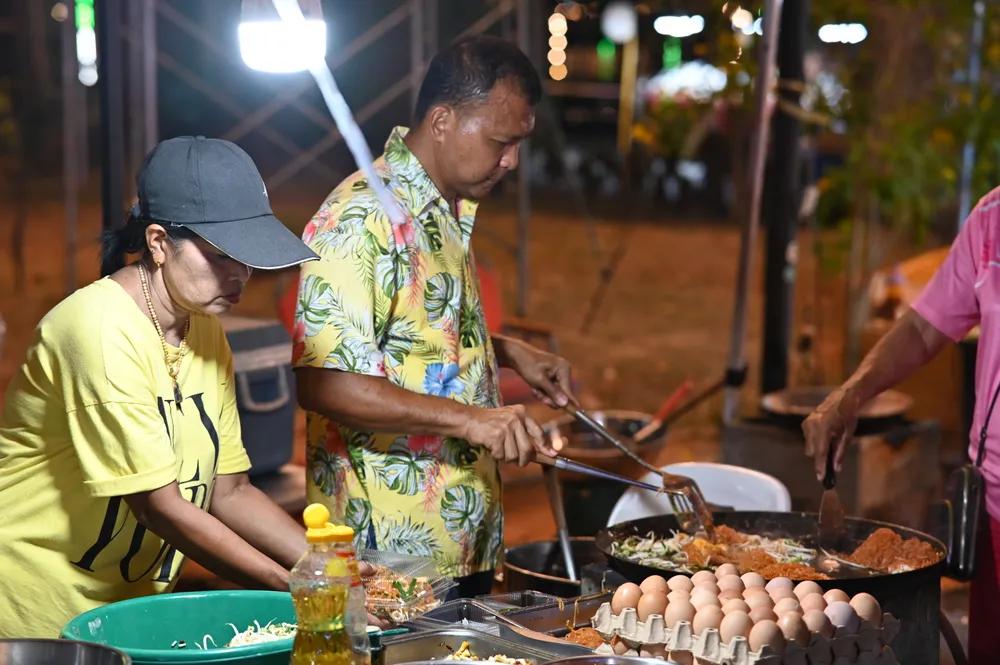
- Chiang Mai Gate Night Market (ตลาดประตูเชียงใหม่) — Most authentic local prices; near the south moat gate; evening hours
- Chang Phueak Night Market (Cowboy Hat Lady) — Famous for stewed pork leg rice; a Chiang Mai institution
3-Day 2-Night Budget — Real Numbers
Costs below exclude transport from Bangkok. Add your chosen mode of travel to get the full trip total.
| Item | Budget (THB) | Mid-range with Elephants + Doi Inthanon (THB) |
|---|---|---|
| Accommodation, 2 nights | 400–600 (dorm) | 2,000–4,000 (mid hotel) |
| Doi Suthep (entry + songthaew) | 110 | 110 |
| Wat Chedi Luang + Wat Phra Singh | 80 | 80 |
| Doi Inthanon (entry + hired car) | — | 1,360 (60 entry + 1,100 car + 200 incidentals) |
| Elephant Nature Park half-day | — | 2,500 |
| Night markets (food + drinks) | 200–400 | 400–800 |
| Food, 3 days (3 meals/day, local stalls) | 450–700 | 1,200–1,800 (incl. one restaurant meal) |
| Local transport (songthaew/Grab) | 150–300 | 400–600 |
| Total | ~1,390–2,110 THB/person | ~7,850–11,250 THB/person |
Prices approximate as of July 2026. Add round-trip flights from Bangkok (avg 2,000–4,000 THB) for the full trip cost.
3-Day 2-Night Itinerary — Hitting Every Highlight
| Morning | Afternoon | Evening | |
|---|---|---|---|
| Day 1 | Arrive + check in + Warorot Market | Wat Chedi Luang + Wat Phra Singh; stroll Old City moat | Sunday Walking Street or Night Bazaar on Chang Klan |
| Day 2 | Leave 07:00 → Doi Inthanon: Mae Ya Waterfall (09:00) | Wachirathan Waterfall + summit (12:00); back by 16:30 | Nimman Road cafés + dinner |
| Day 3 | Doi Suthep before 09:00 (no crowds) | Shopping for souvenirs: Warorot Market + Night Bazaar | Evening flight home — or continue to Chiang Rai |
Day 3 swap option: Replace Doi Suthep with Elephant Nature Park (book in advance), then catch Doi Suthep at sunset before heading to the airport.
Key Tips and Common Mistakes to Avoid
1. Not booking the overnight train far enough in advance 2nd-class sleeper berths — especially 1st class — sell out weeks ahead. Book on 12go.asia or the SRT website at least 2–4 weeks before travel.
2. Riding a motorbike on mountain roads in the rain Steep curves, wet surfaces, hidden potholes, and mist combine dangerously. Tourist accident rates on Doi Suthep and Doi Inthanon roads spike every wet season. Hire a driver or car instead.
3. Not checking the weather before heading to the mountain After heavy rain the previous night, waterfall levels can surge and some trails close temporarily. Check Thai Meteorological Department or a weather app before you go.
4. Arriving at Doi Suthep between 10:00–14:00 Tour buses converge during these hours, queues build, and the sun is harshest. Go before 09:00 or after 16:00 for a far better experience.
5. Leaving cash at home before Doi Inthanon There are no ATMs in the national park or nearby villages. Withdraw enough cash in Chiang Mai city before departing for the day.
6. Skipping travel insurance Rainy season brings real additional risk — slippery mountain roads, flash floods, sudden illness in remote areas. Medical evacuation from Doi Inthanon is expensive without coverage. Get travel insurance before any trip. A policy covering medical emergencies, trip cancellation, and accidental injury costs a few hundred baht but can cover tens of thousands in an emergency.
Verdict: Is Chiang Mai Worth Visiting in July 2026?
Absolutely — and July is one of the best windows to go.
Chiang Mai is not just another Thai tourist destination. It's a genuinely living city with culture, food, nature, and people worth coming back for. The rainy season lets you see it at its most vivid: lush green mountains, waterfalls at peak power, thin crowds, clean air, and lower prices — without the winter peak-season scramble.
3-day trip: Doi Suthep + Old City temples + Doi Inthanon + a walking street + northern Thai food. Covers all the highlights. 5–7 days: Add an elephant sanctuary, a relaxed day in Nimman, and a day trip to Chiang Rai or Doi Mae Salong, or continue on to Pai and Mae Hong Son (2.5–3 hrs via the 762-curve Highway 1095).
Before you go: get travel insurance so every day of the trip is worry-free and you can focus on the experience.
Sources
- Doi Inthanon National Park — Official entry fees 2025–2026
- Elephant Nature Park — elephantnaturepark.org (program prices and booking)
- Elephant Jungle Sanctuary — elephantjunglesanctuary.com (program prices)
- Chiang Mai Traveller — chiangmaitraveller.com (Doi Suthep entry fees and transport)
- Nomadic Matt Chiang Mai Guide — nomadicmatt.com (budget benchmarks)
- 12Go Asia / Thailand Train Booking — 12go.asia (train prices 2025)
- Passport and Stamps — passportandstamps.com (rainy season Chiang Mai guide)
- Off Path Thailand — offpaththailand.com (street food prices Chiang Mai 2026)
- Inwanderment — inwanderment.com (Doi Inthanon waterfall guide)
- Global Gallivanting — global-gallivanting.com (Chiang Mai accommodation areas)
- Jomkitti Boutique Hotel Blog — Doi Inthanon entry fees cross-check
Frequently asked questions
- Is Chiang Mai worth visiting in the rainy season? Can you really do much?
- Absolutely — rainy season (Jul–Oct) is actually one of the best times. Doi Inthanon's waterfalls reach peak flow and look spectacular. Air quality is excellent (the haze/PM2.5 season is Feb–Apr). Crowds are thin, accommodation costs 30–40% less. Rain typically falls in the afternoon, leaving mornings clear for mountain and waterfall trips.
- What is the cheapest way to get from Bangkok to Chiang Mai?
- VIP bus is cheapest at 500–900 THB from Mo Chit 2, taking 9–11 hours. Overnight train (2nd class sleeper) runs 768–1,038 THB — it doubles as a free night's accommodation. Budget flights start around 1,000 THB with advance booking (aim for 2–4 weeks ahead).
- How do I get to Doi Suthep and how much does it cost?
- The cheapest option is a shared red songthaew (pickup truck) that collects passengers outside Chiang Mai Zoo on Huay Kaew Road — wait until about 10 people fill up, then 40–60 THB per person. For a private ride, charter a songthaew for ~800 THB return including waiting time. Temple entry is 30 THB; the cable car up the 306 steps costs an extra 20 THB (optional).
- Which elephant sanctuary in Chiang Mai should I choose?
- Elephant Nature Park (ENP) is the gold standard — half-day 2,500 THB, no riding, observe elephants in a natural setting, includes buffet lunch and hotel pickup. Elephant Jungle Sanctuary (EJS) costs 1,900 THB for a 6-hour program and lets you swim with the elephants. Both are ethical; avoid any venue that offers riding or performances.
- How much does a 3-day 2-night Chiang Mai trip cost?
- Budget (excluding transport to Chiang Mai): ~1,700–2,500 THB per person — hostel dorm, Doi Suthep, temples, night market, local restaurants. Mid-range with ENP elephants + Doi Inthanon: ~6,000–8,500 THB. Add round-trip flights (avg 2,000–4,000 THB) for a full-trip estimate of ~8,000–14,500 THB.
- How is Chiang Mai different from Chiang Rai? Which should I visit?
- Chiang Mai is larger with more variety — Doi Suthep, Doi Inthanon, elephant sanctuaries, 4 night markets, Nimman café district — best with 4–7 days. Chiang Rai is smaller, quieter, with world-class temples (White Temple, Blue Temple) that pack a punch in just 3 days. If you have time, use Chiang Mai as a base and day-trip to Chiang Rai (~3 hrs by car). Read our detailed [Chiang Rai travel guide 2026](/articles/chiang-rai-travel-guide-2026).
Related articles
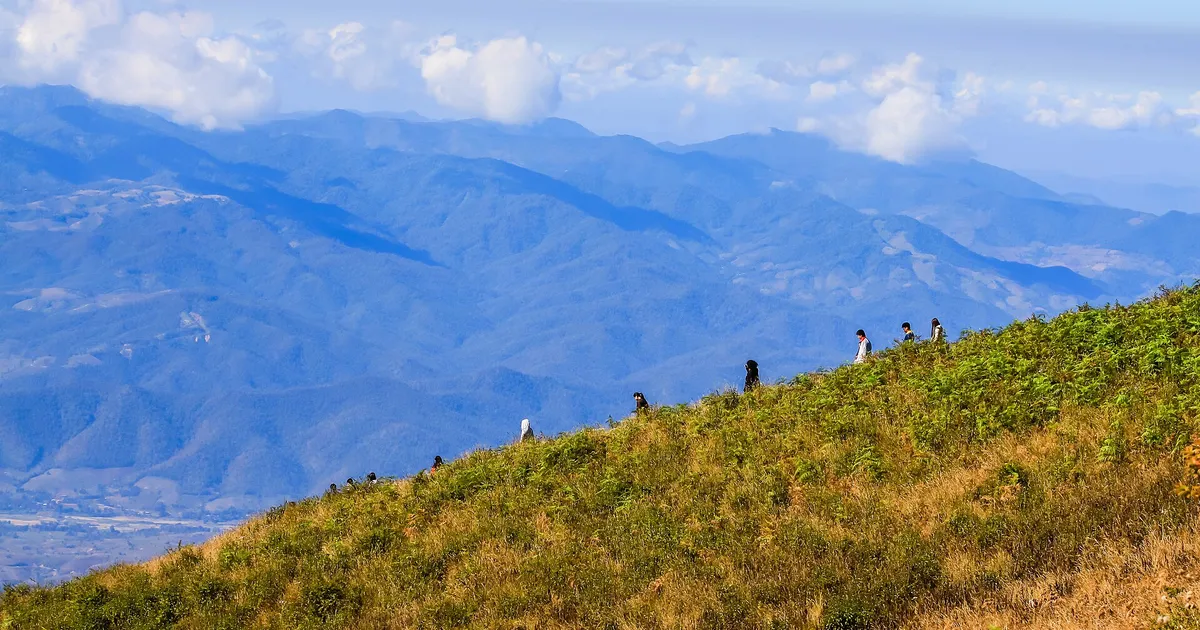
10 Best Cool-Season Trips in Thailand: Sea of Fog & Flower Fields 2026
10 best cool-season destinations in Thailand for 2026 — sea of fog and flower fields, with real entrance fees, lodging costs, distances, best months, and a pick by budget and style.

Hua Hin Travel Guide 2026 — Highlights, Real Costs & 3-Day Itinerary
Complete Hua Hin travel guide for 2026 covering attractions, getting there from Bangkok, honest budget breakdown, Phraya Nakhon Cave, Cicada Market, accommodation for every budget, and insider tips.
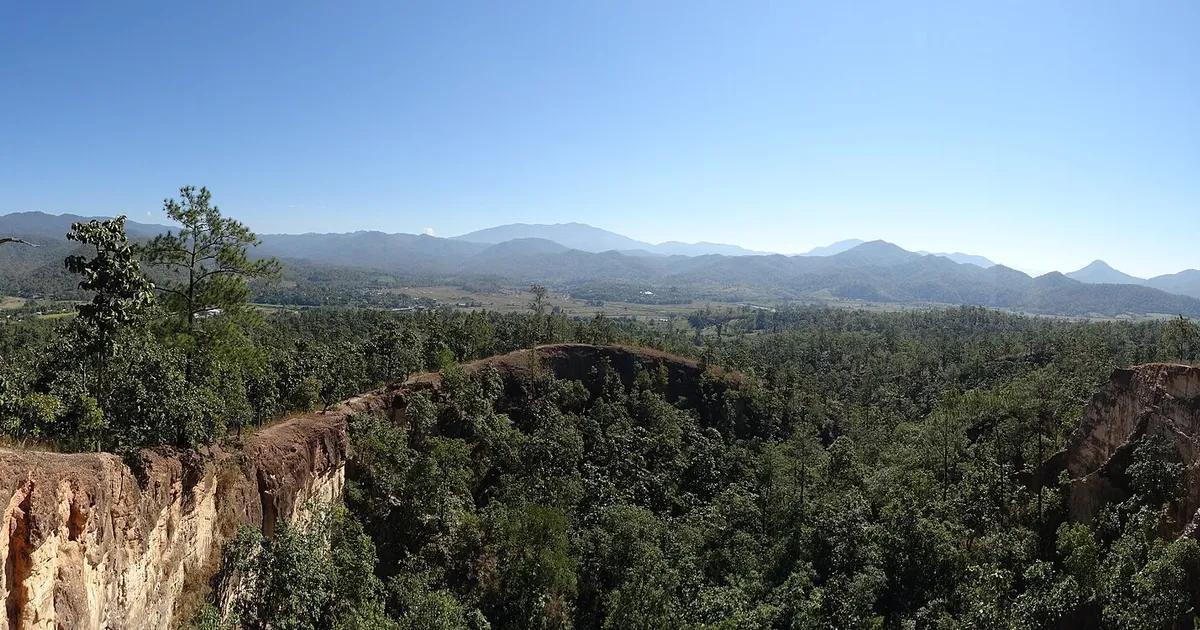
Pai, Mae Hong Son Travel Guide 2026: Sights, Stays & 3-Day Plan
Complete 2026 guide to Pai, Thailand: the 762-curve drive, must-see sights, stays for every budget, real costs, and a working 3-day itinerary.