Andy Burnham Becomes UK's Seventh Prime Minister in a Decade

Watch more: Burnham becomes Labour leader | Sky News special programme
Britain is getting yet another new leader — its seventh in just ten years. On Friday 17 July 2026, Andy Burnham, the former Mayor of Greater Manchester, was officially declared leader of the Labour Party at a special conference in London. He secured nominations from 379 of the party's 403 MPs — 94% — and was the sole candidate in the race. He is set to enter Downing Street as the UK's new Prime Minister on Monday 20 July, after outgoing PM Keir Starmer formally tenders his resignation to King Charles III.
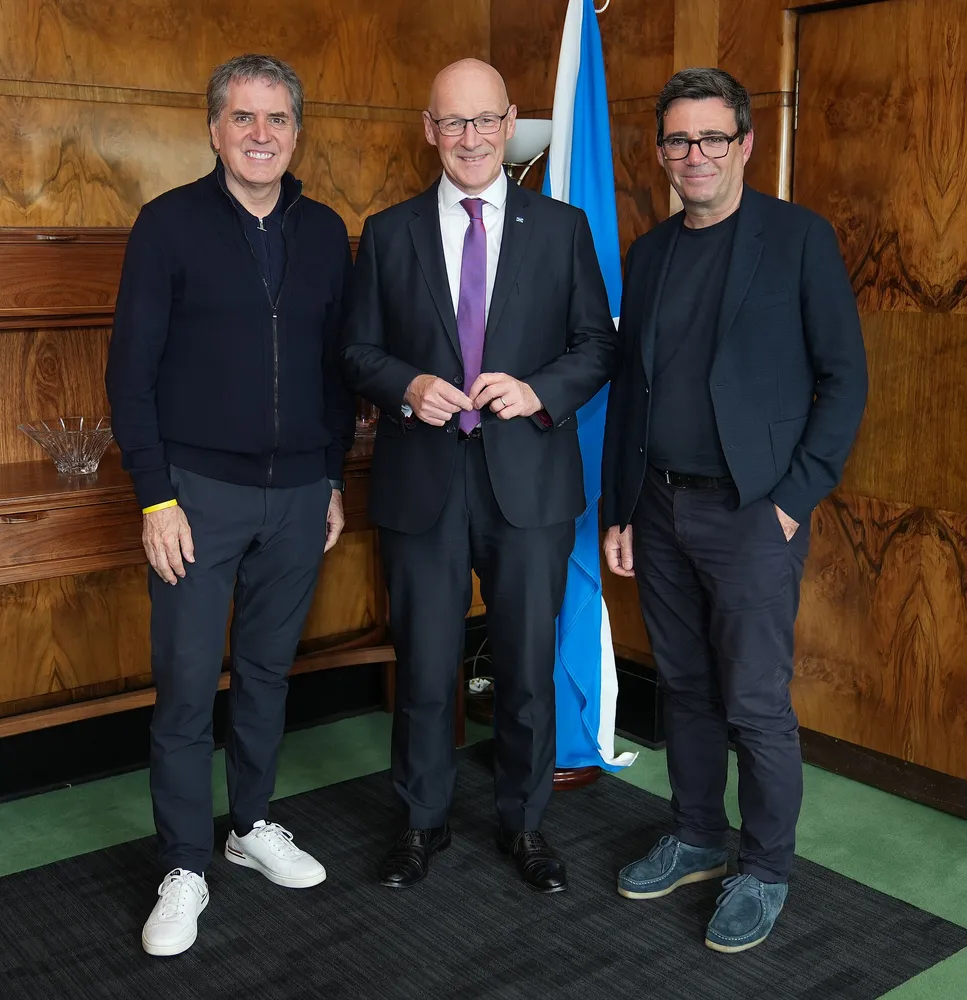
The Road to Downing Street
Burnham is no newcomer to British politics. Born on 7 January 1970 in Aintree, Lancashire, he grew up between Liverpool and Manchester, studied English at Fitzwilliam College, Cambridge, and entered Parliament in 2001 as MP for Leigh. He rose through Cabinet ranks, serving as Secretary of State for Health under Gordon Brown from 2009 to 2010.
In 2017 he stepped away from Westminster to become the first Mayor of the newly created Greater Manchester Combined Authority — a role he would hold for nine years. His tenure there became his most defining political chapter. He built the Bee Network, an integrated bus and tram system modelled on Transport for London, capped single fares at £2, and championed the economic interests of northern England to the point where he earned the nickname "King of the North."
His return to national politics was swift. He won a parliamentary by-election in Makerfield in June 2026, and within weeks it became clear that Labour MPs saw him as the only figure capable of stopping the party's slide in the polls. Starmer's position became untenable, and the leadership contest that followed was effectively a coronation.
Why Starmer Had to Go
Starmer had won a landslide election victory in 2024, but the honeymoon never arrived. A persistent cost-of-living crisis — driven in part by energy price spikes linked to the Ukraine and Middle East conflicts — eroded public confidence. The National Health Service remained under severe pressure, and rising house prices continued to squeeze younger voters.
The most alarming signal came from the May 2026 local elections, where Labour shed seats across England while Reform UK, the far-right populist party led by Nigel Farage, posted significant gains — including in Labour heartlands. Several senior figures in the party began openly calling for a change of direction. Starmer, recognising he had lost the confidence of his colleagues, announced he would step down.
Who Is Andy Burnham — The 'King of the North'
The nickname stuck after Burnham went toe-to-toe with Downing Street during the COVID-19 pandemic in 2020, publicly refusing an underfunded lockdown order for Greater Manchester and delivering a now-famous press conference that went viral for its blunt, unscripted delivery. That moment captured something the public found rare: a politician willing to say what he meant, in plain terms, on behalf of the people he served.
His style is markedly different from Starmer's. Where the departing PM was seen as cautious and formal, Burnham projects warmth and accessibility. He self-identifies as being on Labour's soft left, and his main pitch to voters is rooted in devolution — transferring power from central government to cities and regions, drawing on what he built in Manchester.
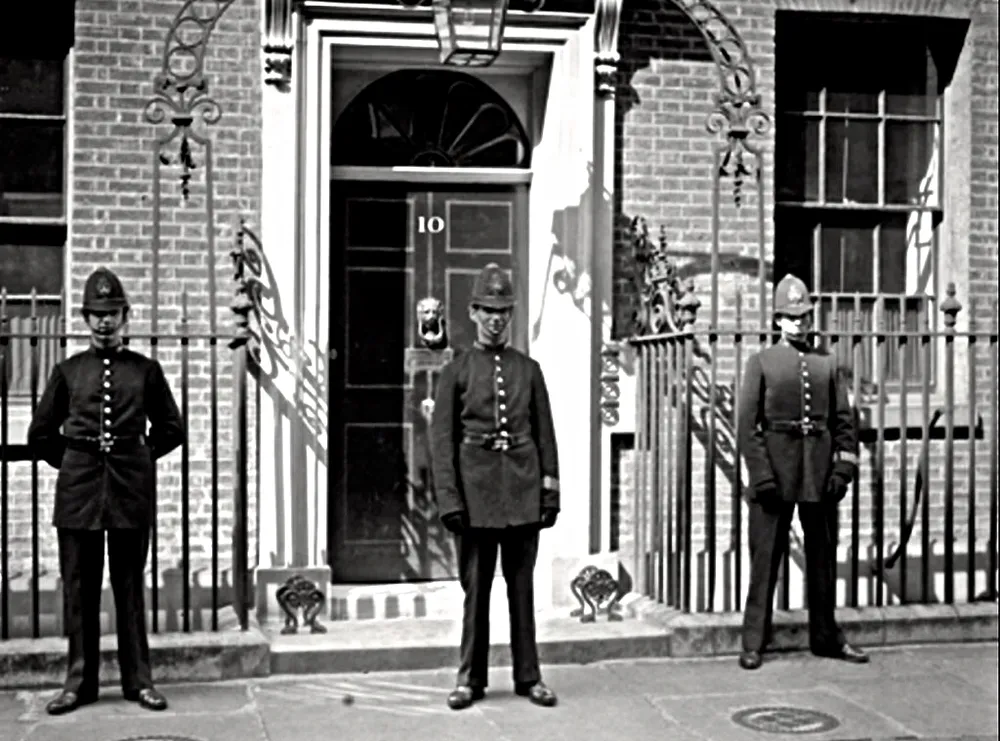
In his leadership acceptance speech, Burnham set out his ambitions without resorting to ideological jargon:
"We will take power back from Westminster and Whitehall and give it to the place where you live. Hope in every heart and good growth in every postcode."
He also drew a clear line on his economic stance: "Make no mistake, I will be a pro-business leader of the Labour Party, as I was a pro-business mayor of Greater Manchester." At the same time, he criticised four decades of what he called "the neoliberalism that began in the 1980s," arguing that Britain had taken a series of wrong turns by centralising political power and privatising economic assets.
Seven Leaders in Ten Years
The sheer frequency of leadership changes has become a story in itself. Since 2016, Britain has seen David Cameron resign after the Brexit referendum; Theresa May struggle through years of parliamentary deadlock; Boris Johnson depart amid scandal; Liz Truss last just 45 days before market chaos ended her tenure; Rishi Sunak lead the Conservatives to a historic defeat; and now Keir Starmer give way to Burnham after barely two years.
Political analysts have pointed to a structural problem: whoever leads the UK inherits an economy squeezed by Brexit's long tail, a public that has lost faith in Westminster, and a media environment that punishes any sign of hesitation. Burnham enters that environment with higher personal ratings than most of his predecessors — but also with an electorate that has grown deeply sceptical of promises.
What Comes Next
Burnham has said he will announce his Cabinet on Monday. He has pledged to govern as a "broad church," drawing in talent from across Labour's factions rather than rewarding only his allies. He is seen as more capable than Starmer of speaking to working-class voters who have drifted toward Reform UK, and his record in Manchester gives him a concrete answer to the question of what he actually means by devolution.
The challenges are formidable. The economy is sluggish, public services are strained, and Reform UK is not going away. But the next general election is not required until 2029, giving Burnham time to build a record — assuming his party's historically brief patience holds.
As he told Labour members on Friday: "We win by being us boldly, confidently, authentically us — Labour. The country is crying out for new politics. And I am ready."
Sources
Sources
Frequently asked questions
- Who is Andy Burnham?
- Andy Burnham was born in 1970 in Lancashire and is a centre-left politician who served as Health Secretary under Gordon Brown, then as Mayor of Greater Manchester from 2017 to 2026, where he built the integrated Bee Network transport system. He became Labour leader in July 2026 and is now set to become UK Prime Minister.
- Why did Keir Starmer resign?
- Starmer faced a Labour rebellion after the party performed poorly in May 2026 local elections, with his personal ratings collapsing amid a persistent cost-of-living crisis, wars in the Middle East and Ukraine, and the rapid rise of the far-right Reform UK party in national polls.
Related news
 World
WorldRattlesnake Blood Yields Antivenom 10x Stronger Than Current Drugs
Proteins from rattlesnake blood, combined, neutralize venom 10x more potently than current antivenom in lab tests — a study with a Thai scientist on the team.
 World
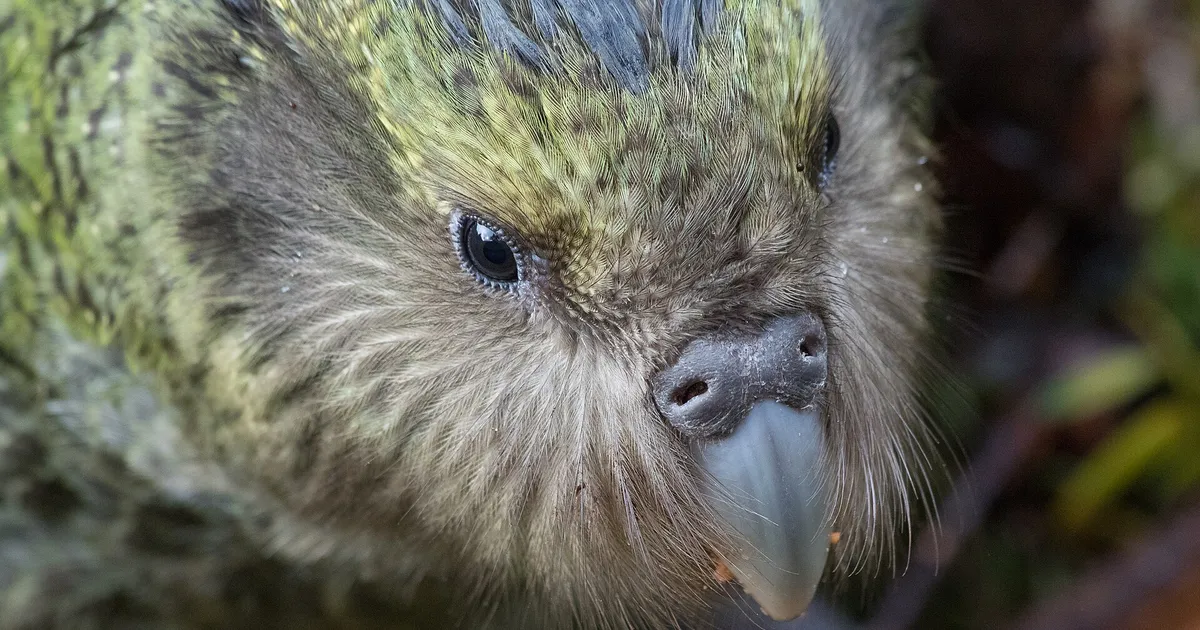
WorldKākāpō Population Soars Past 300 for First Time in 75 Years
New Zealand's kākāpō, the world's heaviest parrot, reached 325 birds after a record 2026 breeding season added 90 chicks — up from just 51 birds in 1995.
 World
WorldHimalayan Glacier Collapse Floods Nepal-Tibet: A Warning Lesson
A glacier broke away at 5,200m and sent a wall of water into Nepal. Scientists say the technology to warn people already exists — the monitoring does not.