Kākāpō Population Soars Past 300 for First Time in 75 Years
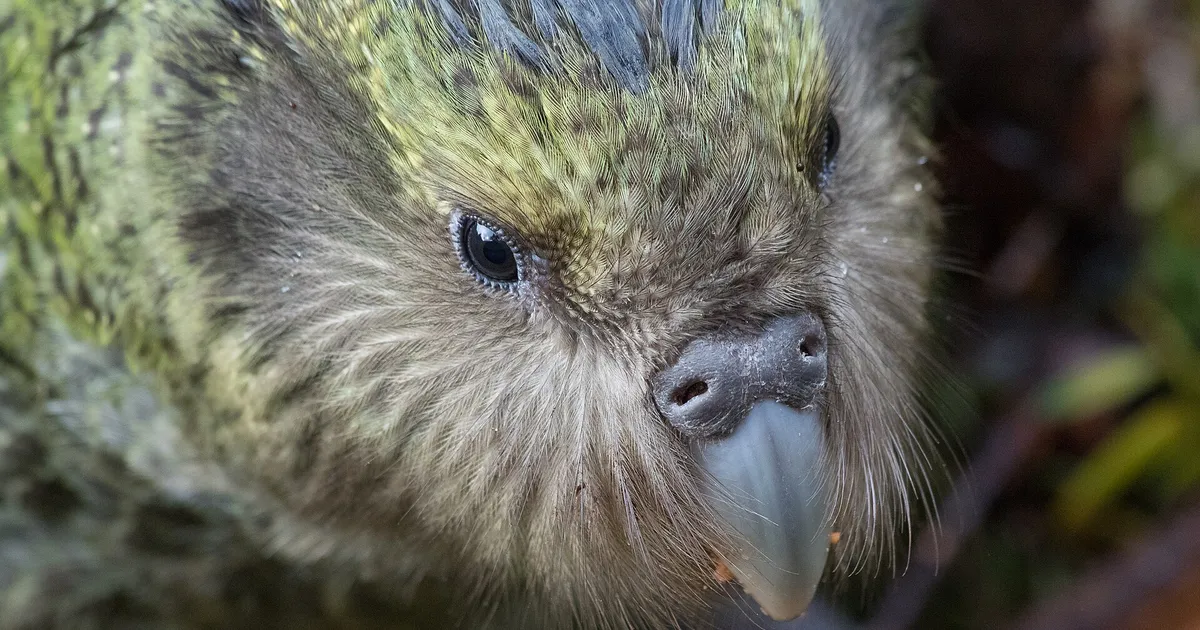
The population of the kākāpō, one of the world's most endangered parrots, officially reached 325 birds on 1 September 2026 after this year's breeding season produced a record 90 chicks that survived to independence, New Zealand's Department of Conservation (DOC) announced. It is the first time the population has passed 300 in roughly 75 years, since the Kākāpō Recovery Programme began in 1995.
From just 51 birds to a new record
The kākāpō is a flightless parrot found only in New Zealand — the heaviest parrot species in the world, with males weighing up to about 4 kg. It is nocturnal, can live 60 to 90 years, and evolved in a land with no native mammal predators, so it never needed the ability to fly away from danger. That evolutionary strength became a fatal weakness once humans arrived and introduced cats and rats, compounded by habitat loss and direct hunting — and the population collapsed to near-extinction by the mid-20th century.
Conservation efforts for the species date back to 1894, but the turning point came in 1995, when the Kākāpō Recovery Programme formally began. At that point only 51 kākāpō remained anywhere in the country, including just 20 females — a population so small that genetic diversity suffered, leaving many eggs infertile or unable to hatch. Making matters harder, the kākāpō's main food source, fruit from the native rimu tree, only masts (fruits heavily) roughly once every 2 to 4 years, so good breeding years were rare.
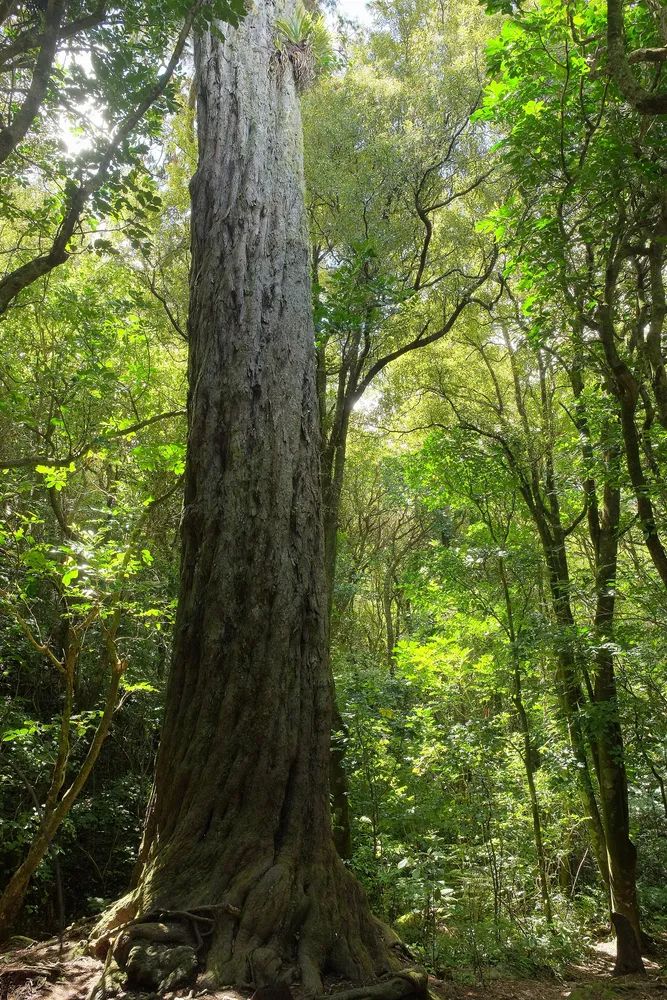 Photo: A rimu tree — a heavy fruiting ("mast") year is the natural cue that triggers kākāpō breeding — Pseudopanax at English Wikipedia — Public domain (Wikimedia Commons)
A record-breaking 2026 breeding season
The 2026 breeding season was the biggest in the programme's 13 seasons to date. Seventy-nine females nested, laying 258 eggs between them, from which 106 chicks hatched — with 48 females producing living chicks fathered by 32 males. Of those, 90 chicks reached the 150-day milestone at which kākāpō chicks are considered independent enough to be added to the official population count, which happened on 1 September 2026. That pushed the total population from 235 up to 325.
| 2026 breeding season, by the numbers | Count |
|---|---|
| Females that nested | 79 |
| Eggs laid | 258 |
| Chicks hatched | 106 |
| Chicks reaching independence (150 days) | 90 |
| Total population after count (1 Sep 2026) | 325 |
| Last time population exceeded 300 | ~75 years ago |
Data as of 1 September 2026 — New Zealand Department of Conservation
The scale of that number matters as much as the number itself: in the programme's early years, producing 90 chicks took a full 16 years. This season did it in one. The season also included a first: three females as young as four years old bred successfully, the youngest kākāpō ever recorded to do so.
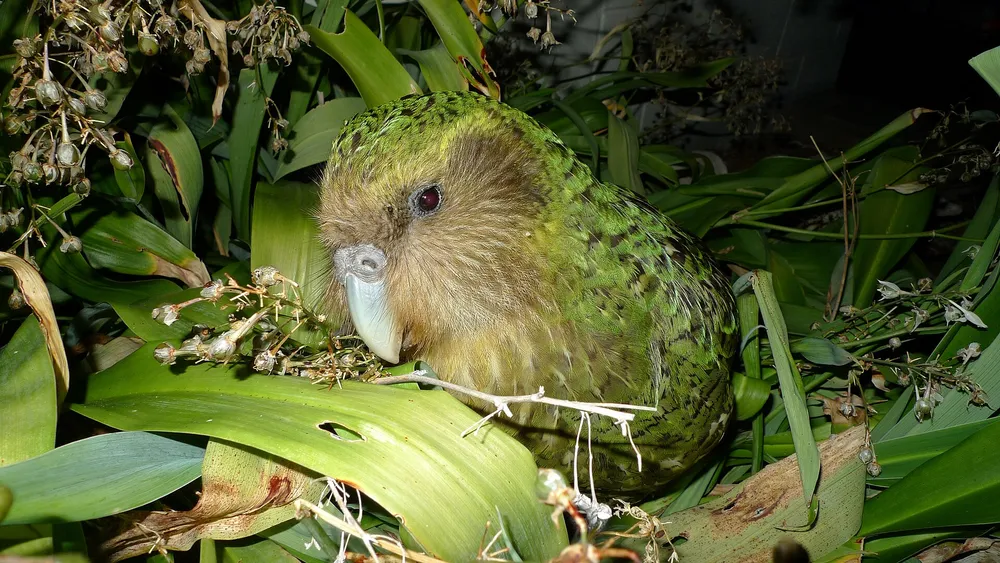 Photo: Sirocco, one of New Zealand's most famous kākāpō — Department of Conservation — CC BY 2.0 (Wikimedia Commons)
The islands and technology behind the comeback
Every surviving kākāpō now lives on one of three predator-free offshore islands, cleared entirely of cats and rats: Whenua Hou/Codfish Island, Pukenui/Anchor Island, and Te Kāhaku/Chalky Island. Each bird wears a small radio transmitter backpack, letting the recovery team track its movements, nesting behaviour and health in close to real time.
Artificial insemination was another key tool this season, producing 10 of the chicks — the team selectively matches birds to preserve genetic diversity in what is still a small population. In years when rimu fruiting is poor, the team also provides supplementary feeding to encourage breeding. Notably, only 2 chicks needed hand-rearing this season, a sharp drop from previous years — a sign the population is increasingly able to breed and raise young with less human intervention.
Energy company Meridian has been the programme's principal partner since 2016, and the kākāpō population has grown by more than 200 birds since that partnership began.
 Photo: Whenua Hou (Codfish Island), one of three predator-free islands that are home to the kākāpō — Glen Fergus — CC BY 3.0 (Wikimedia Commons)
Voices from the recovery team
Deidre Vercoe, DOC's Kākāpō Recovery Operations Manager, called the season's result unprecedented: "Ninety chicks in a single season is a record." She added of the population milestone: "To blow through that 300 population mark just knocks my socks off."
Tāne Davis, representing Ngāi Tahu on the recovery group, said the next phase of work is determining which areas or sub-populations still need intensive management and which have recovered enough to need less hands-on intervention.
Andrew Digby, the programme's science advisor, warned that the very success of this season creates a new problem: "After this next breeding season we desperately need another breeding site," he said, since the three islands currently in use are approaching capacity.
What's next: racing to find a new island
The team expects the next breeding season could arrive sooner than usual — as early as 2028, just two years away, compared with the roughly four-year gap between typical breeding seasons tied to the rimu masting cycle. The real challenge ahead is no longer boosting the population, but finding and preparing a new predator-free island in time to house a population that is now growing faster than expected.
The kākāpō's recovery adds to a run of encouraging conservation news this year, alongside the milestone of 10% of the world's ocean now being officially protected and the recovery of dugong populations around Thailand's Trang province — each a reminder that species pushed to the brink of extinction can still recover when people commit to protecting them, consistently, over decades. Read more good news on the environment and science on our news page.
Sources
Frequently asked questions
- What is a kākāpō?
- The kākāpō is the world's heaviest parrot species — males can weigh up to about 4 kg. It is flightless, nocturnal, can live 60-90 years, and is found only in New Zealand.
- Why did the kākāpō population nearly go extinct?
- Kākāpō evolved with no native land mammal predators, so they never needed to fly to escape danger. When humans arrived and introduced cats and rats, combined with habitat loss and hunting, the population crashed to just 51 birds by 1995.
- How did New Zealand help kākāpō recover?
- All surviving birds were moved to offshore islands cleared of predators. Every bird wears a tracking transmitter, artificial insemination is used to boost genetic diversity, and supplementary feeding is provided in years when their main food source is scarce.
Related news
 World
WorldA Milestone for the Seas: 10% of the World's Ocean Is Now Officially Protected
UNEP-WCMC and IUCN say 10.01% of the global ocean is now protected for the first time, boosted by French Polynesia's new reserve and the High Seas Treaty.
 World
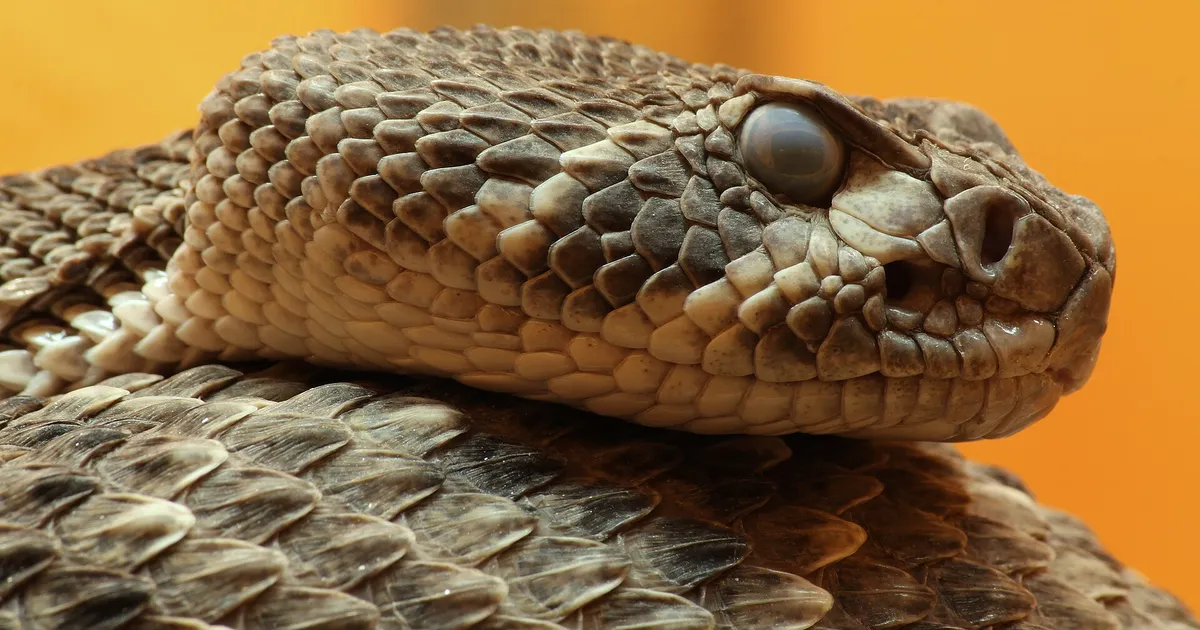
WorldRattlesnake Blood Yields Antivenom 10x Stronger Than Current Drugs
Proteins from rattlesnake blood, combined, neutralize venom 10x more potently than current antivenom in lab tests — a study with a Thai scientist on the team.
 World
WorldHimalayan Glacier Collapse Floods Nepal-Tibet: A Warning Lesson
A glacier broke away at 5,200m and sent a wall of water into Nepal. Scientists say the technology to warn people already exists — the monitoring does not.