A Milestone for the Seas: 10% of the World's Ocean Is Now Officially Protected

The world has just passed a long-awaited milestone in marine conservation. For the first time in history, 10.01% of the planet's ocean is now officially designated as protected and conserved, according to the UN Environment Programme World Conservation Monitoring Centre (UNEP-WCMC) and the International Union for Conservation of Nature (IUCN), in an announcement made in early April 2026.
The figure may sound modest, but it represents a vast expanse of water set aside so that fish, coral and marine life can recover — and it is the first concrete step toward the global goal of protecting 30% of the ocean by 2030.
The numbers behind the progress
Over the past two years, the world has designated roughly 5 million square kilometres of new marine protected and conserved areas — an area larger than the entire European Union. That push carried ocean coverage across the 10% line.
The picture is not yet complete, however. Data from the Marine Protection Atlas shows only about 3.3% of the ocean is "fully or highly" protected, while the rest still permits some activities. More concerning, the high seas — areas beyond national jurisdiction that make up over 60% of the ocean's surface — remain only 1.66% protected.
| Key figures (as of April 2026) | Amount |
|---|---|
| Ocean now protected | 10.01% |
| Area added in 2 years | ~5 million km² |
| Fully/highly protected | ~3.3% |
| High-seas coverage | 1.66% |
| 2030 target | 30% |
Data as of April 2026 — UNEP-WCMC / Marine Protection Atlas
Giant new reserves driving the gains
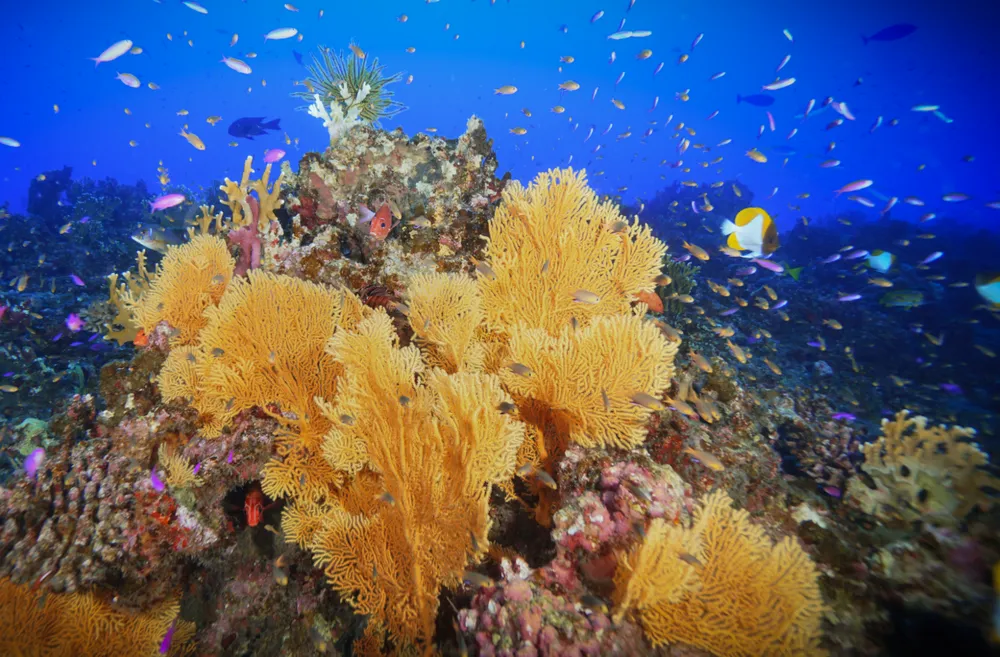 Illustrative photo: A Pacific coral reef — NOAA Fisheries/Andrew Gray — Public domain (Wikimedia Commons)
The progress was driven by a run of countries declaring large new marine protected areas. A standout example is French Polynesia, the Pacific territory that on 9 June 2026 announced protection for roughly 520,000 square kilometres of water around its Austral and Marquesas Islands, at the highest level of protection — banning mining, trawling and industrial fishing.
What makes this case especially notable is that traditional artisanal fishing, central to local food security and culture, will be preserved. The government and local communities will receive resources through a conservation trust fund to manage these waters themselves for 15–20 years.
"This cements French Polynesia's place as the global leader in marine conservation." — Maël Imirizaldu, regional lead for the Blue Nature Alliance
Australia, Indonesia and several other nations have also expanded their own marine reserves recently, while 33 countries and territories worldwide now protect more than 30% of their national waters.
The High Seas Treaty kicks into gear
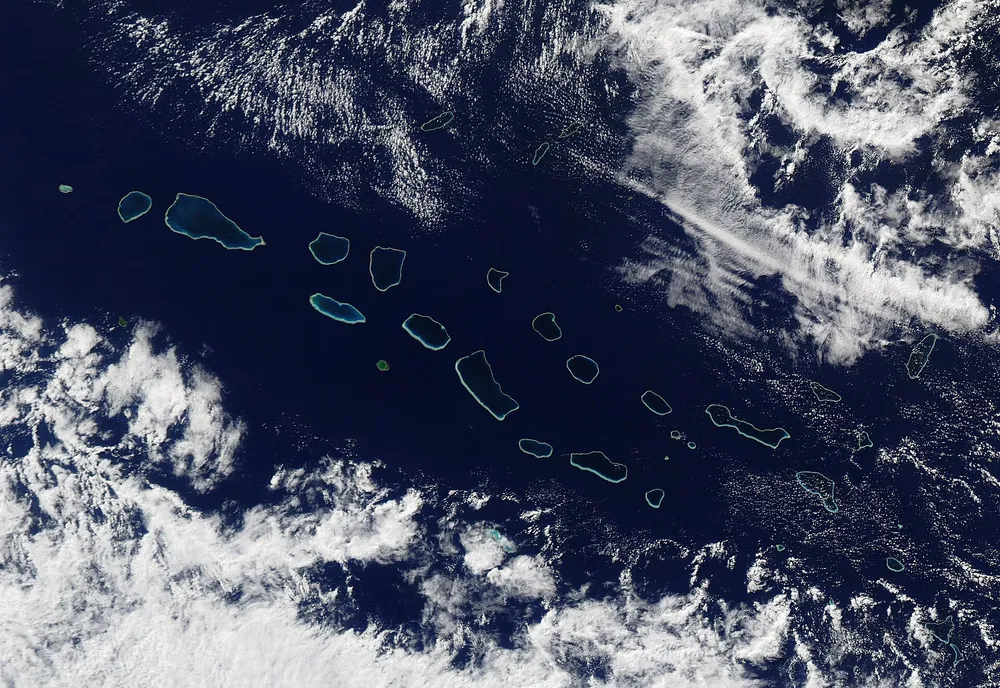 Illustrative photo: The Tuamotu Archipelago in French Polynesia, seen by the MODIS satellite — NASA GSFC — Public domain (Wikimedia Commons)
Another key boost is the High Seas Treaty — formally the Agreement on Biodiversity Beyond National Jurisdiction (BBNJ) — which officially entered into force on 17 January 2026, after nearly 20 years of negotiation.
The treaty creates, for the first time, a legal framework for establishing protected areas on the high seas, which cover almost half the planet and had never before been governed comprehensively. By early 2026, more than 80 countries had ratified it, paving the way for protection of the high seas — which still lags far behind — to finally move forward in practice.
Why it matters to everyone
The ocean is not a distant concern. As Neville Ash, Director of UNEP-WCMC, put it: "We all depend on the ocean for our survival; over half of the world's oxygen is produced by life in the ocean."
A healthy sea absorbs carbon, eases global warming, and supplies protein and livelihoods to hundreds of millions of people — including fishers and coastal communities across Southeast Asia. Recovering reefs and seagrass beds also mean growing eco-tourism. This progress connects to other positive environmental stories, such as the world's record-breaking clean-energy figures for 2025 and a breakthrough in clean hydrogen.
"Indigenous Peoples steward critical marine and coastal ecosystems that are crucially important to safeguarding our oceans." — Dr Grethel Aguilar, IUCN Director General
The road ahead to 30%
Welcome as it is, experts stress the journey is far from over. Reaching 30% by 2030 will require designating an additional area roughly the size of the Indian Ocean within just a few years.
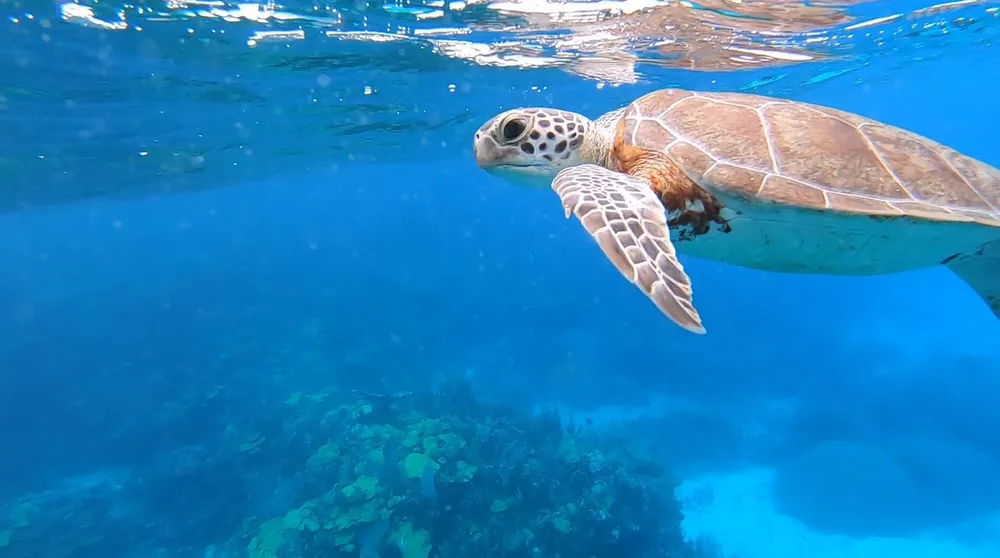 Illustrative photo: A sea turtle over a coral reef — Elh733 — CC BY-SA 4.0 (Wikimedia Commons)
An equally large challenge is making the areas already declared genuinely effective, rather than mere "paper parks." Records show only about 1.3% of marine protected areas have ever had their management effectiveness formally assessed.
"The coverage of protected and conserved areas at sea still needs to triple by 2030." — Neville Ash, Director of UNEP-WCMC
The road is long, but crossing the 10% mark is a clear sign the world is heading in the right direction — good news that when nations decide to act together, the seas still have a chance to recover. Read more good news on the environment and innovation on our news page.
Sources
- UNEP-WCMC — World reaches milestone: 10% of ocean now officially protected
- IUCN — World reaches milestone for nature: 10% of ocean now officially protected
- Mongabay — 10% of the ocean is protected. Now just 20% more to go
- Conservation International — The world just gained a marine protected area the size of France
- High Seas Alliance — Historic High Seas Treaty enters into force
Frequently asked questions
- What is a Marine Protected Area (MPA)?
- It's a stretch of sea where law restricts damaging activities — such as seabed mining, industrial fishing or bottom trawling — so that fish, coral and marine life can recover and reproduce. Levels of protection range from fully protected 'no-take' zones to lightly managed areas.
- What is the 30x30 goal?
- It's a global commitment made by nations in December 2022 to conserve at least 30% of the planet's land and seas by 2030. Protecting 10% of the ocean is one-third of the way along that path.
- Why does ocean protection matter to ordinary people?
- The ocean produces more than half the world's oxygen, absorbs carbon, and provides food and income for hundreds of millions of people. A healthy sea means cleaner air, more secure seafood, and a more stable climate.
- What still needs to happen to reach the goal?
- An additional area roughly the size of the Indian Ocean must be protected by 2030, and — just as importantly — the areas already declared must be actively and effectively managed, not just drawn on a map.
Related news
 World
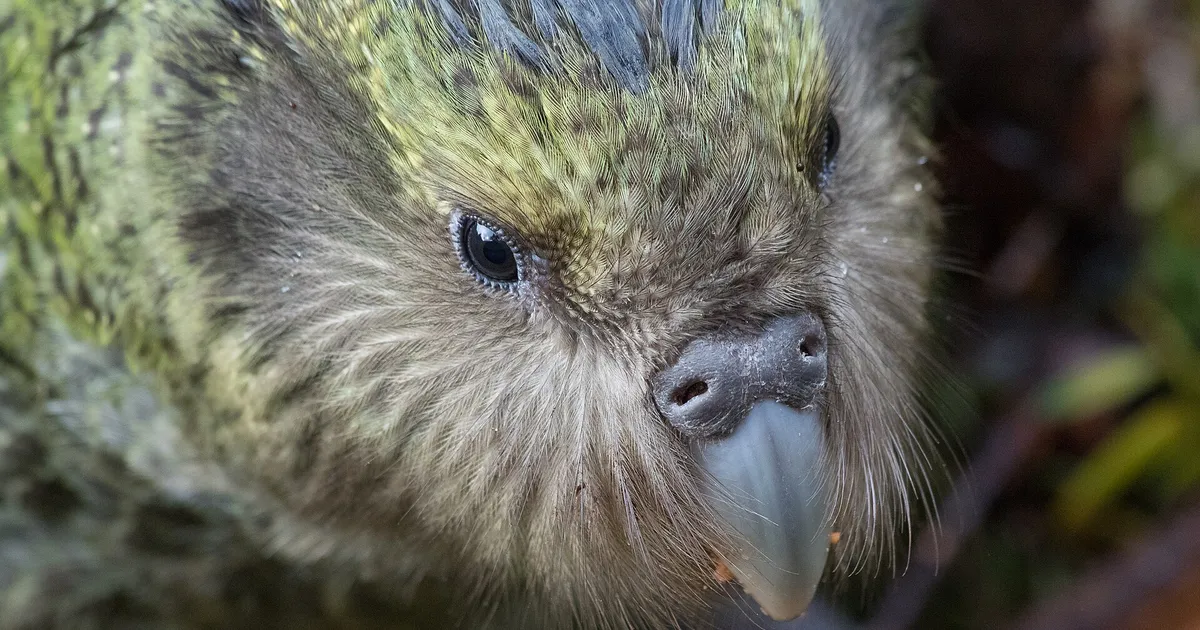
WorldKākāpō Population Soars Past 300 for First Time in 75 Years
New Zealand's kākāpō, the world's heaviest parrot, reached 325 birds after a record 2026 breeding season added 90 chicks — up from just 51 birds in 1995.
 Thailand
Good News from Trang: 72+ Dugongs Return as Seagrass Recovers — No Strandings in 2026
Aerial surveys counted over 72 dugongs around Koh Libong in Trang in 2026, with two mother-calf pairs and zero strandings, as seagrass beds recover.
 World
WorldRattlesnake Blood Yields Antivenom 10x Stronger Than Current Drugs
Proteins from rattlesnake blood, combined, neutralize venom 10x more potently than current antivenom in lab tests — a study with a Thai scientist on the team.