Bangkok Named World's Best Nightlife City for 2026 by Time Out
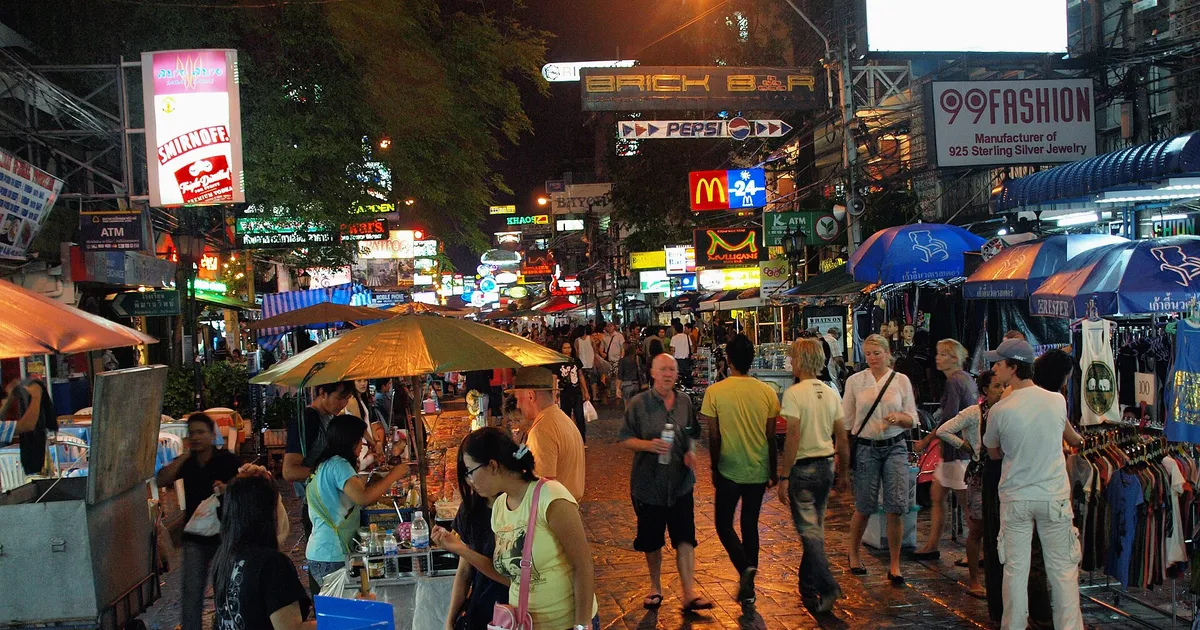
Bangkok has been named the world's best nightlife city for 2026 by travel magazine Time Out, leaping from 13th place a year earlier to claim the top spot ahead of major nightlife capitals including Berlin, New York City, Melbourne and São Paulo. The ranking was published in late August and has continued to make headlines in Thailand into September.
From 13th to 1st in a single year
Time Out's Best Cities for Nightlife 2026 ranking is based on a survey of more than 24,000 local residents across 150 cities worldwide, combined with assessments from over 100 of Time Out's own editors and city experts. Cities were scored on nightlife quality, affordability, diversity, sense of community, and how safe, welcoming and lively they feel after dark.
Bangkok scored exceptionally well across the board: 73% of local respondents rated the city's nightlife as "good" or "amazing", and the same share said it was easy to find community and connection in the city. Time Out's expert panel gave Bangkok a 95% approval score.
The world's 10 best cities for nightlife in 2026:
| Rank | City | Country |
|---|---|---|
| 1 | Bangkok | Thailand |
| 2 | Berlin | Germany |
| 3 | New York City | United States |
| 4 | Melbourne | Australia |
| 5 | São Paulo | Brazil |
| 6 | Medellín | Colombia |
| 7 | Johannesburg | South Africa |
| 8 | Brighton | United Kingdom |
| 9 | Beijing | China |
| 10 | Amsterdam | Netherlands |
Notably, only three European cities made the top 10 — a sign that the world's nightlife centre of gravity is shifting away from Europe. Beyond the nightlife category, Bangkok also placed 8th on Time Out's overall list of the world's best cities for 2026, and 2nd in Asia behind only Beijing.
What won the world over
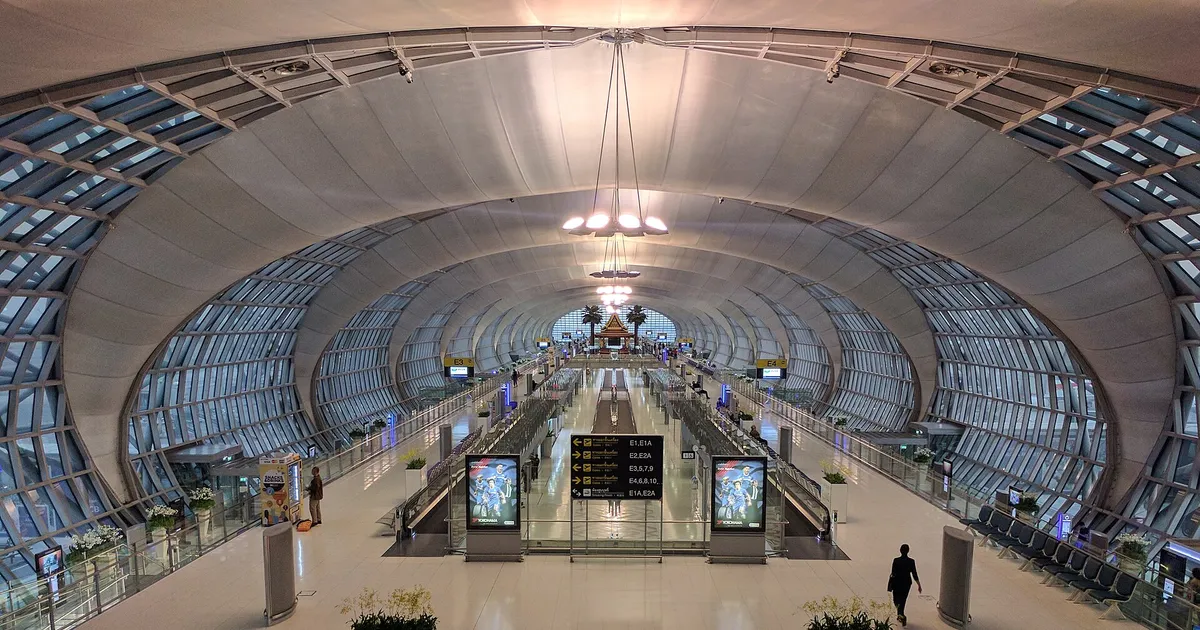
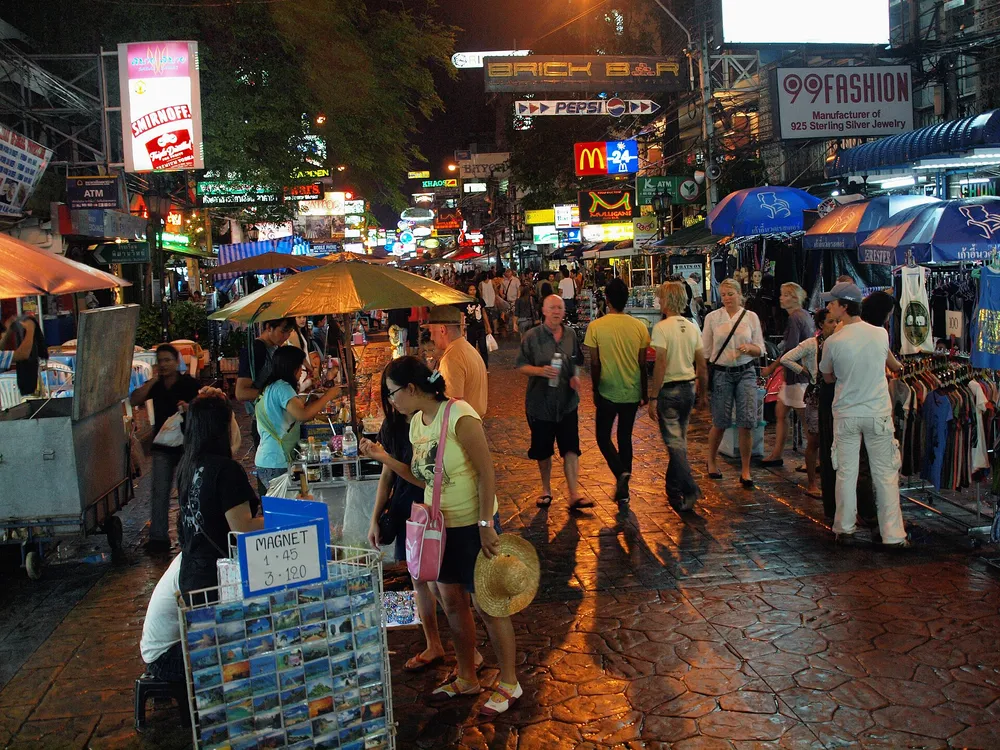 Photo: Kevin Poh from Petaling Jaya, Malaysia — CC BY 2.0 (Wikimedia Commons)
Time Out's writers credited Bangkok's win not to any single venue, but to the sheer variety spread across the city — from high-end rooftop bars like ÆTHER on the 44th floor of Dusit Central Park and Sato San on the 32nd floor of the Moxy Bangkok Ratchaprasong hotel, to the creative cocktail bars of Soi Nana such as G.O.D, Tep Bar and Sing Sing Theater, and the Silom district's long-standing role as the heart of the city's LGBTQ+ nightlife.
The magazine noted that "across the city, parties spill from the bar stool onto pavements that stay busy well into the wee hours," and pointed to inclusivity as a key differentiator: "nowhere is unfriendly or daunting, even for newbies on the scene." Late-night street food — pad kaphrao stalls and eateries open until dawn — was cited as part of what makes the city's after-dark culture distinct.
Grace Beard, Time Out's travel editor, summed up the shift in global nightlife trends this year:
"A good night out is no longer defined by one type of venue; in 2026, street parties and rooftop raves are bigger than ever."
The 4am policy behind the surge
The Time Out result did not happen in a vacuum — it follows one of Thailand's biggest nightlife policy reforms in decades. Prime Minister Anutin Charnvirakul has championed a plan to extend entertainment venue closing times from 2am to 4am nationwide, scrap alcohol zoning restrictions entirely, and lift the long-standing 2pm–5pm afternoon alcohol sales ban, with a target start date of January 2026.
The government projects the reform will generate more than 500 billion baht a year in additional tax revenue and revitalise a nightlife-driven tourism economy competing with regional rivals such as Vietnam and the Philippines. Anutin framed the reform's intent plainly:
"This is not just about tourism and nightlife; it's about modernising outdated laws and unlocking revenue."
A 2023 ministerial regulation already allows 4am closing in designated zones of Bangkok (Silom-Patpong, Royal City Avenue/New Phetchaburi Road, Ratchadaphisek), Pattaya, Phuket, Chiang Mai and Koh Samui. The nationwide expansion would also replace venue licensing with a simpler registration process, making it easier for operators to run legally.
What it means for Thailand's tourism economy
 Photo: Slyronit — CC BY-SA 4.0 (Wikimedia Commons)
A global ranking like this carries real economic weight. Nightlife is one of the top reasons travelers choose a destination, and Bangkok topping the category translates into a tangible boost across the supply chain — hotels, restaurants, bars, taxi drivers, and the hundreds of thousands of workers employed in the night-time entertainment sector.
The award also validates a direction the government has pushed consistently: keeping Thailand competitive in an increasingly crowded global tourism market, especially against ASEAN neighbours that keep upgrading their own tourism infrastructure. The recognition suggests the push to modernise decades-old regulation is translating into real results in the eyes of travelers and international media. It follows other recent wins for Thai tourism, including Koh Samui being named Asia-Pacific's best island and the rebound of Chinese tourists returning to Thailand.
Tourism analysts caution, however, that the next challenge is sustaining standards — safety, cleanliness, and keeping prices from spiking as demand grows — so the reputation Bangkok just earned outlasts a single news cycle rather than fading as a passing trend.
What's next
The nationwide rollout of extended hours is still under feasibility study by the Ministry of Interior and the Ministry of Public Health before it can become an official ministerial regulation, so whether it meets its original timeline remains to be seen. Time Out has said it plans to run this nightlife ranking annually, meaning Bangkok's 2026 win now becomes a new benchmark the city will need to defend in future years.
For travelers and Thais alike, the award is another data point confirming that Bangkok remains one of the most vibrant after-dark cities on Earth — whether that means a rooftop bar with skyline views, a lively street market, or a small live-music club tucked down a soi, each is part of the mix that won the world over this year.
Sources: Time Out Bangkok · Time Out (global) · Euronews · The Thaiger · Nation Thailand (as of September 1, 2026)
Sources
Frequently asked questions
- How did Time Out rank the world's best nightlife cities?
- Time Out surveyed more than 24,000 local residents across 150 cities worldwide, combined with assessments from over 100 of its editors and city experts. Cities were scored on nightlife quality, affordability, sense of community, and how safe, welcoming and lively they feel after dark.
- Which parts of Thailand allow 4am closing times?
- Currently only designated zones in Bangkok (Silom-Patpong, Royal City Avenue/New Phetchaburi Road, Ratchadaphisek), Pattaya, Phuket, Chiang Mai and Koh Samui, under a 2023 ministerial regulation. A nationwide expansion that would also scrap alcohol zoning, championed by PM Anutin Charnvirakul, is targeted to take effect from January 2026.
Related news
 Thailand
Koh Samui Crowned Asia-Pacific's Best Island at Travel + Leisure Luxury Awards 2026
Koh Samui was named the #1 Best Island in Asia-Pacific at the Travel + Leisure Luxury Awards 2026, with Samui Airport ranked #2 in the region.
 Thailand
IMF–World Bank Meetings in Bangkok: Thailand Hosts for First Time in 35 Years
Bangkok hosts the IMF–World Bank Annual Meetings Oct 12–18 with 15,000+ delegates from 191 countries. AI, fraud resilience and investment top the agenda.
 Thailand
Thailand Greenlights 450-Baht Tourist Fee, Air Entry First in Early 2027
Thailand’s tourism ministry says 80% backed a 450-baht foreign tourist fee in public hearings. Funds go to traveler insurance and attraction upgrades, raising over 8 billion baht a year.