IMF–World Bank Meetings in Bangkok: Thailand Hosts for First Time in 35 Years
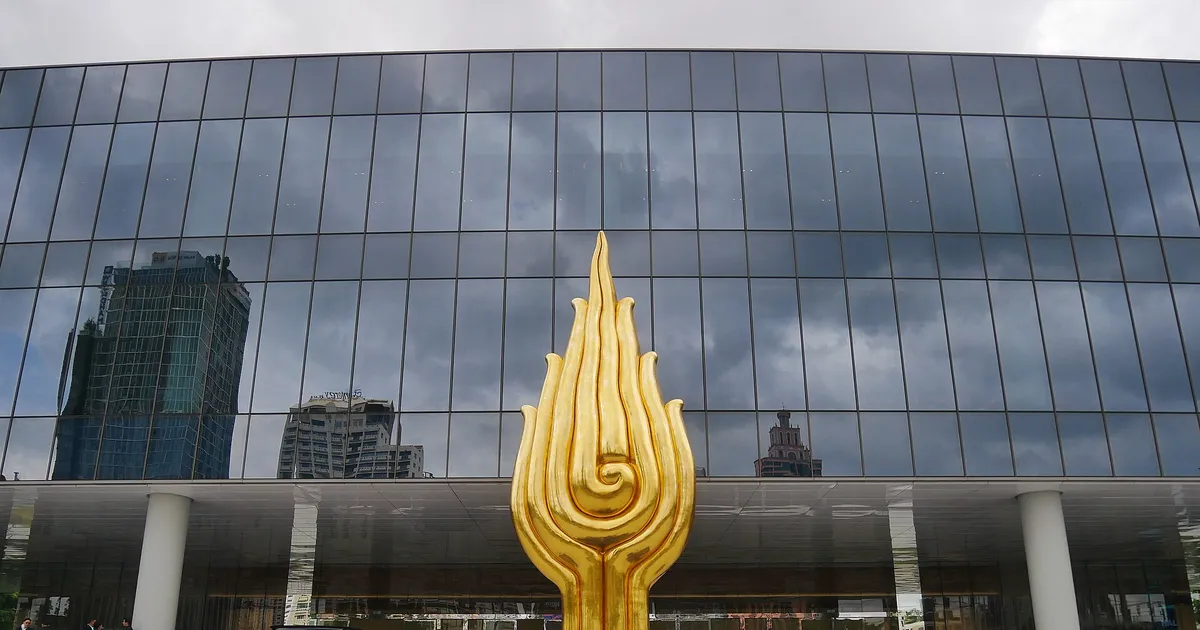
Bangkok is the center of the global finance world this week. The 2026 Annual Meetings of the International Monetary Fund (IMF) and the World Bank Group opened on October 12 and run through October 18 at the Queen Sirikit National Convention Center. It is only the second time Thailand has hosted the gathering — the first was in 1991, 35 years ago.
Who is in town
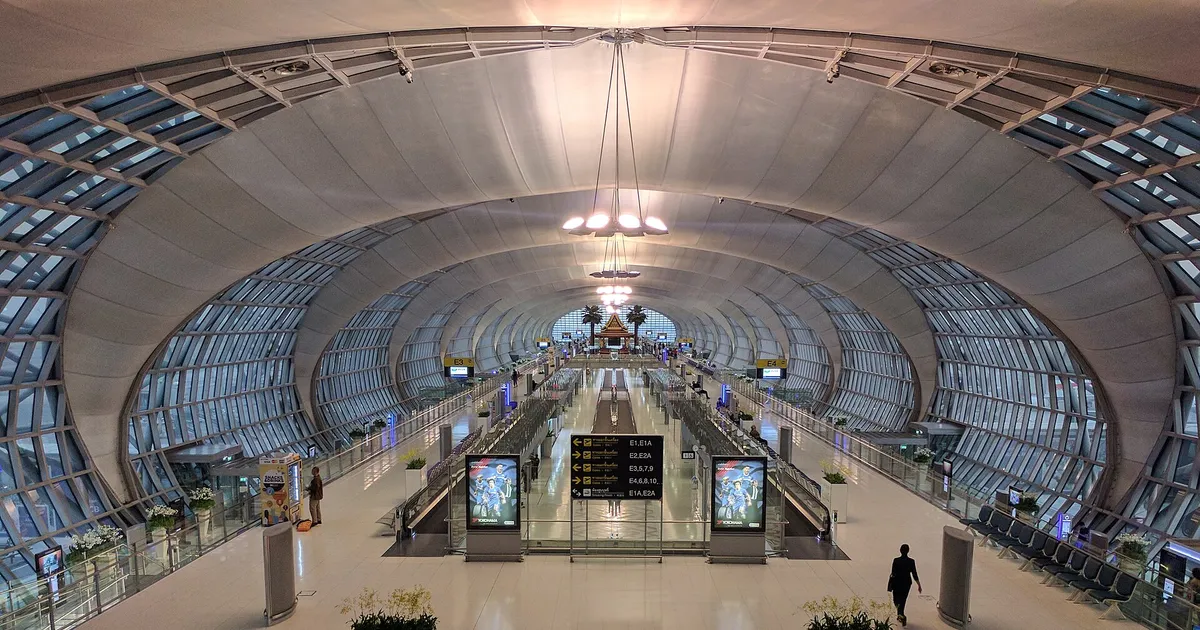
Organizers expect more than 15,000 delegates from 191 countries; the Nation Thailand's own report cites both about 15,000 and about 17,000, so treat the exact figure as approximate. IMF Managing Director Kristalina Georgieva arrived in Bangkok on October 9 and was welcomed at Suvarnabhumi Airport by Deputy Prime Minister and Finance Minister Ekniti Nitithanprapas. World Bank Group President Ajay Banga, Singapore's President Tharman Shanmugaratnam and Fed Chairman Kevin Warsh are among the expected participants. On the Thai side, Prime Minister Anutin Charnvirakul and Bank of Thailand Governor Vitai Ratanakorn are taking part. The main plenary session is scheduled for October 16.
Ahead of the meetings, Georgieva said she welcomed Thailand's hosting, pointing to "the Asia-Pacific region's growing importance in the global economy." According to the government's deputy spokesperson, the region's share of global GDP has grown from about 25% in 1991 to roughly 43% today.
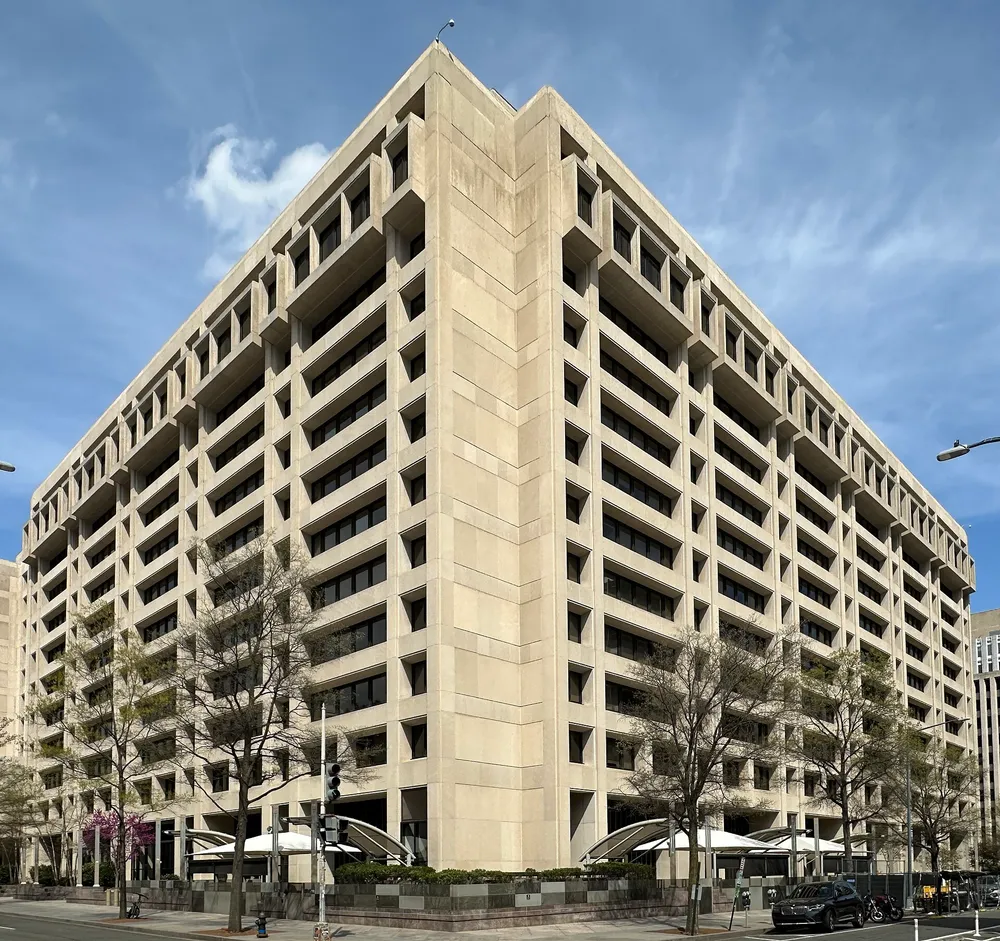 Illustrative: the IMF's headquarters in Washington, D.C. Photo via Wikimedia Commons, CC-licensed.
What is on the agenda
The official discussion topics include poverty, inequality, climate change, public debt, financial technology, digital assets and cyber risks to the financial system. Thailand's host theme is "Thailand's New Horizons: Empowering People, Building Resilience." Reports from the first days highlight several threads:
- "Small AI" for jobs. A World Bank event on October 12, "Small AI: More and Better Jobs," looked at lightweight AI tools that developing economies can actually afford and use.
- Fraud resilience. Thailand's Ministry of Finance and Bank of Thailand, with the IMF and World Bank, developed the Bangkok Blueprint for Fraud-Resilient Financial Services: a non-binding set of 12 policy considerations.
- A "Trusted Connector" strategy. Thailand wants to link larger and smaller economies through trade, investment and technology transfer, including a "Skill Bridge" program connecting businesses with universities for AI skills.
- AI for small merchants. An AI assistant called Nok Krajib is planned for government mobile-wallet apps to support nearly one million small merchants.
- Side events. The first Asian edition of CNN Global Perspectives on October 14, the Future-Ready Economy 2026 forum, a youth dialogue on AI and skills, and a Thailand Pavilion on seven decades of royal development projects.
The money question
Thai officials estimate that the meetings will generate 1.05–2.25 billion baht of domestic economic activity, assuming participants stay 7–10 days and spend 10,000–15,000 baht per person per day, benefiting hotels, restaurants, services and local products. That is a projection built on assumptions, not a measurement. The larger prize, officials say, is investment: Thailand plans to promote its digital infrastructure, clean-energy capacity and investment incentives to attract foreign direct investment in areas such as AI and electric vehicles.
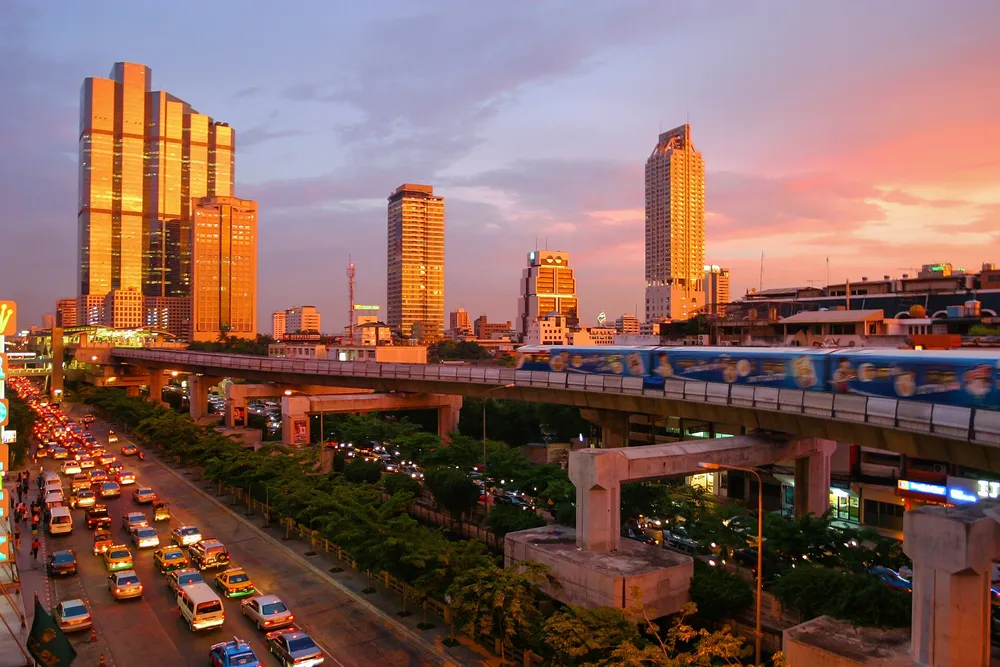 Illustrative: Bangkok's skyline at dusk. Photo via Wikimedia Commons, CC-licensed.
The numbers Thailand brought with it
Government figures cited during the meetings show foreign investment promotion applications up 47% in the first half of 2026, and private investment growing by more than 10% for two consecutive quarters. Thai 10-year bond yields have risen 60 basis points over eight months, against a 120-basis-point rise in U.S. Treasury yields. Thailand has also diversified energy imports away from heavy reliance on the Middle East toward West Africa and Latin America.
The domestic backdrop is more modest. Bank of Thailand Governor Vitai said on October 8 there is no urgency to raise interest rates and that monetary policy cannot fix structural growth problems; he expects growth of about 2.3% this year. The policy rate has been held at 1.00%, and the next review is on October 28.
Voices
House Finance Committee chairman Juti Krairiksh said: "Trust is earned, cannot be bought" — a reference to the fraud-resilience theme. Prime Minister Anutin said Thailand is prepared to work with partners to strengthen skills and introduce new knowledge. Not every voice is celebratory: one opinion piece published October 14 argues Thailand should use the meetings to attract investment and reform, because "the real challenge lies in converting our existing potential into sustainable competitiveness."
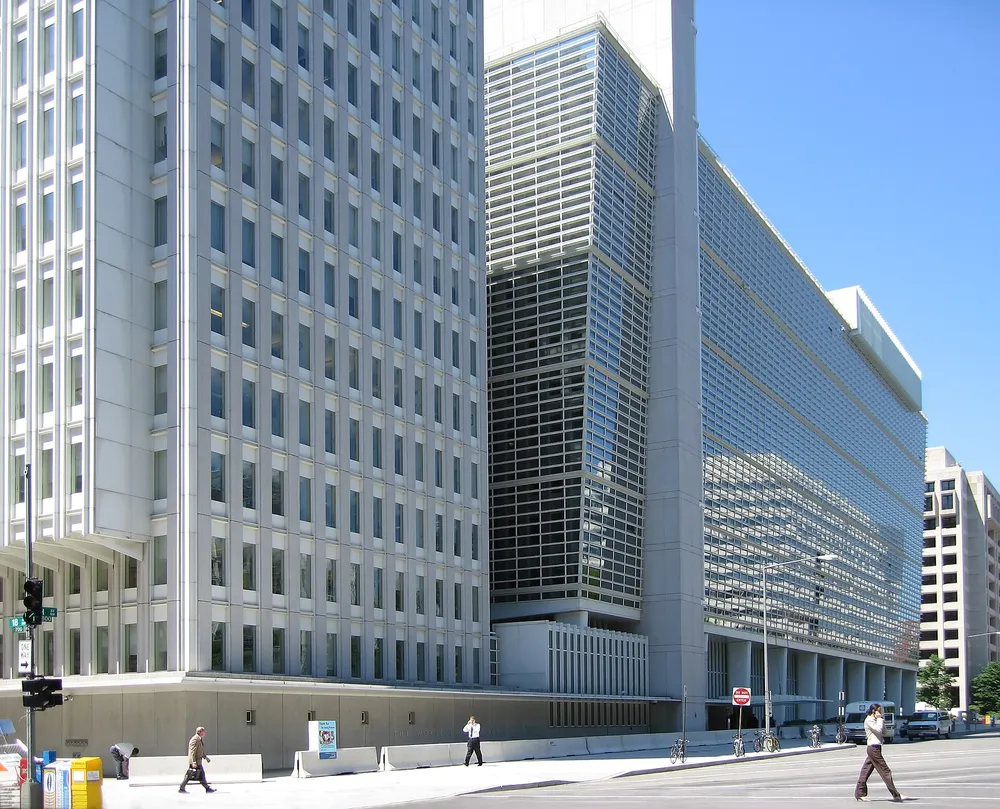 Illustrative: the World Bank headquarters in Washington, D.C. Photo via Wikimedia Commons, CC-licensed.
What happens next
The week peaks with the October 16 plenary and closes on October 18. What ordinary Thais will notice first is busier hotels and traffic around the convention center; whether the investment pledges turn into jobs will take far longer to show. For Thai readers tracking prices and rates, the Bank of Thailand's October 28 meeting is the next date to watch. See also our earlier reporting on Thailand's planned 450-baht tourist fee.
Figures as of October 15, 2026; the meetings are still under way.
Sources
Frequently asked questions
- When and where are the IMF–World Bank Annual Meetings 2026?
- They run October 12–18, 2026 at the Queen Sirikit National Convention Center in Bangkok, with the main plenary on October 16.
- How much economic activity will the meetings generate for Thailand?
- Thai officials estimate 1.05–2.25 billion baht, assuming participants stay 7–10 days and spend 10,000–15,000 baht per person per day. It is a projection, not a measured result.
Related news
 Thailand
Thailand Greenlights 450-Baht Tourist Fee, Air Entry First in Early 2027
Thailand’s tourism ministry says 80% backed a 450-baht foreign tourist fee in public hearings. Funds go to traveler insurance and attraction upgrades, raising over 8 billion baht a year.
 Thailand
US Imposes 12.5% Tariff on Thai Goods, Thailand Races to Negotiate It Down to 10%
The US began charging a 12.5% tariff on most Thai goods on July 24, 2026, citing forced-labour concerns. 2,120 product lines are exempt as Thailand pushes for a trade deal to match neighbours' 10% rate.
 Thailand
Thailand's Smart Durian Era: 10,000+ Farmers Embrace Tech to Defend the King of Fruit
depa's OTOD Digital Durian project brings over 10,000 Thai durian farmers onto traceability apps, expected to add up to 11.7 billion baht in value.