Digoxin: Nearly 250-Year-Old Heart Drug Cuts Hospitalizations 25%
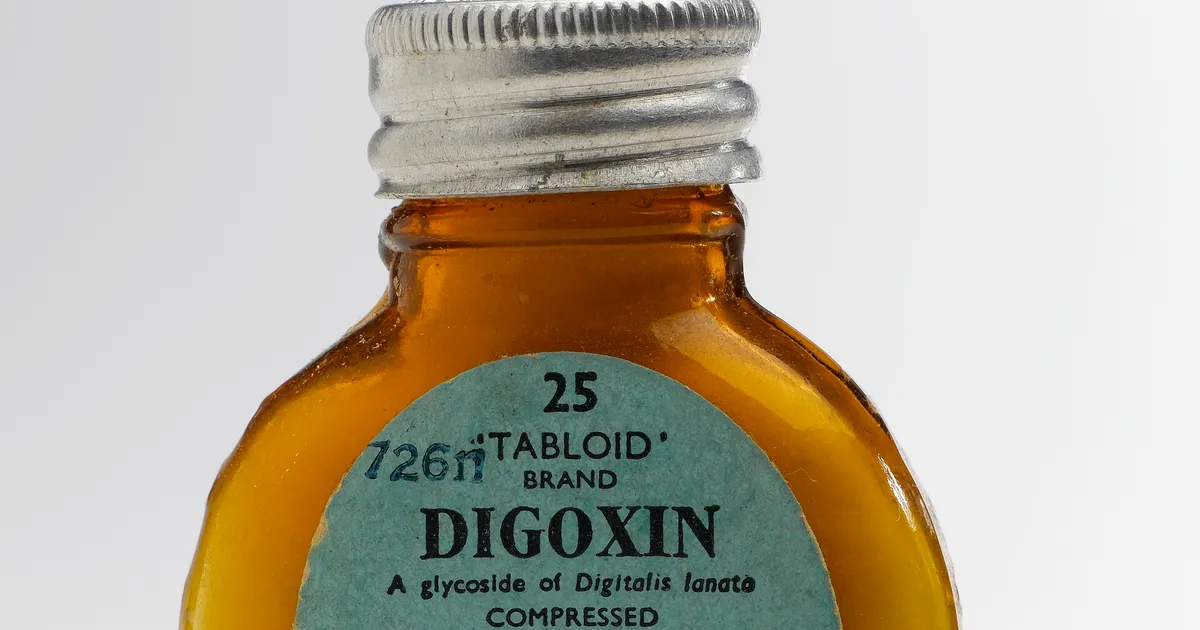
One of the oldest drugs in modern medicine is getting a fresh look. Researchers at University Medical Center Groningen (UMCG) in the Netherlands report that digoxin — a drug derived from the foxglove plant that costs under 10 US cents a day to produce — cuts heart-failure hospitalizations by roughly 25% when added in a low dose to standard therapy, even though the research did not find it reduces deaths directly.
A nearly 250-year-old drug medicine had almost forgotten
Digoxin belongs to a class of drugs called digitalis glycosides, whose medical use dates back to the late 18th century, when a British physician found that extracts from foxglove leaves relieved the fluid buildup caused by heart failure. For decades it was a mainstay of heart-failure treatment, until a landmark 1997 trial (the DIG trial) suggested that higher blood levels of the drug were linked to worse outcomes — leading many doctors to steer away from it in favor of newer, far more expensive drug classes.
A team led by Professor Dirk van Veldhuisen, together with Kevin Damman and Peter van der Meer at UMCG, set out to test whether a low dose, with tightly controlled blood levels, would produce a different result.
 Photo: Jörg Hempel — CC BY-SA 3.0 de (Wikimedia Commons)
The DECISION trial: a low dose, a clearer signal
The study, called the DECISION trial, enrolled 1,001 patients with mild-to-moderate symptomatic heart failure and a left ventricular ejection fraction (LVEF) of 50% or less, across 43 medical centers in the Netherlands. Patients were randomized to low-dose digoxin — targeting a serum concentration of just 0.5–0.9 ng/mL — or placebo, on top of standard therapy, and followed for a median of 36.5 months.
The trial's primary outcome — a composite of total worsening heart-failure events (hospitalizations or urgent visits) plus cardiovascular death — did not reach statistical significance (rate ratio 0.81, p=0.133). But the researchers noted the trend favored digoxin, and that the low dose was well tolerated, with no significant increase in serious side effects versus placebo.
Pooling 3 trials, over 9,000 patients: a 25% reduction confirmed
What has driven wider attention is a pooled analysis combining DECISION with two earlier trials testing drugs in the same class: the DIG trial (1997) and DIGIT-HF (2025) — a combined total of 9,013 patients — published in JAMA.
The pooled analysis found the risk of cardiovascular death or a first worsening heart-failure event was 15% lower (hazard ratio 0.85) with digitalis glycosides. Looking specifically at worsening heart-failure events, the reduction was 25% (hazard ratio 0.75) — a first event occurred in 26% of patients on a digitalis glycoside versus 33% on placebo. The analysis did not, however, find a statistically significant reduction in overall mortality.
Researchers also cited earlier withdrawal data: patients who stopped taking digoxin had a markedly higher risk of worsening heart failure or cardiovascular death within just six weeks compared with those who stopped placebo — additional evidence that the drug provides real benefit to patients already taking it.
 Photo: Choinowski — CC BY-SA 4.0 (Wikimedia Commons)
Why a 10-cent-a-day drug matters for health systems
At a time when newer heart-failure drugs — such as SGLT2 inhibitors or ARNIs — can cost several euros a day, finding that a decades-old drug costing under 10 US cents a day still delivers a measurable clinical benefit is significant news, particularly for health systems with limited resources or patients who can't access expensive medication.
Professor van Veldhuisen said: "Digoxin is the oldest drug in cardiovascular medicine, but uncertainty existed about its value." He added: "Low-dose digitalis glycosides seem [an] effective additional treatment, cheap, safe and easy to use."
The catch: blood levels still need close monitoring
Despite the encouraging results, researchers and cardiologists caution that digoxin has a narrow therapeutic index — the gap between an effective dose and a toxic one is small. Blood levels that run too high can cause nausea, vomiting, loss of appetite, and, most seriously, dangerous heart-rhythm abnormalities. Patients on the drug need regular blood tests to monitor levels, especially those with reduced kidney function, since the kidneys are the primary route by which the drug leaves the body.
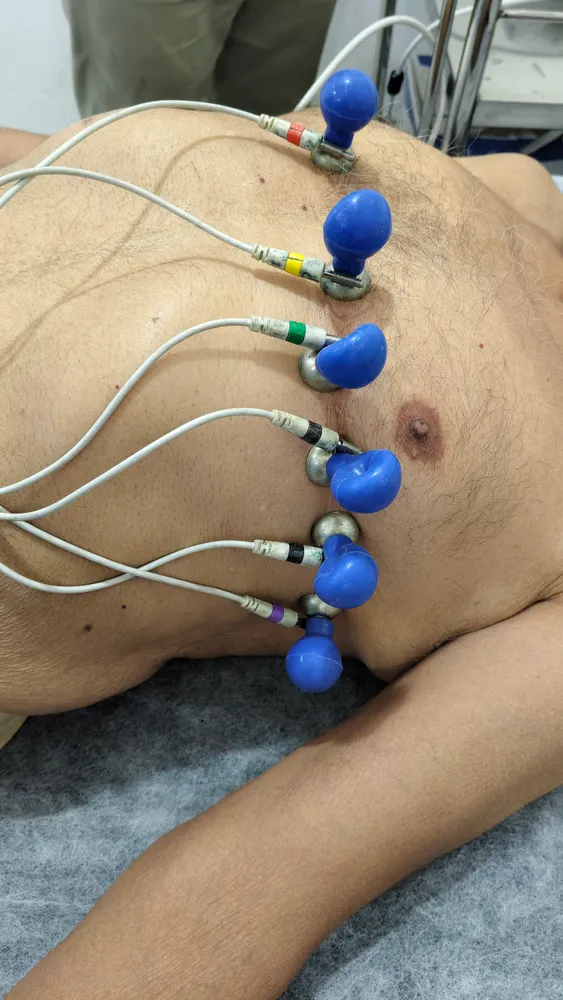 Illustrative photo: Suyash.dwivedi — CC BY-SA 4.0 (Wikimedia Commons)
Researchers stressed the findings do not mean patients should stop their current medication and switch to digoxin on their own — it was tested strictly as an add-on alongside standard therapy. The results were first presented at the European Society of Cardiology's Heart Failure 2026 congress in Barcelona in May 2026, and drew renewed attention from international science media in mid-August — attention that could eventually feed into a review of international heart-failure treatment guidelines.
What it could mean for Thailand, and what comes next
Cardiovascular disease remains one of the leading causes of death in Thailand. Data from the country's acute heart-failure registry show 1-year, 5-year and 10-year mortality rates after diagnosis of 28%, 58% and 73% respectively — underscoring how heavy a burden the condition places on the Thai health system. Research showing that a cheap, widely available drug can meaningfully cut hospitalizations could matter a great deal for health systems with limited resources.
Researchers are candid that DECISION's own primary outcome fell short of statistical significance, and that the pooled analysis found no mortality benefit. What remains to be seen is whether international heart-failure treatment guidelines will act on this evidence, and whether larger trials will follow to confirm the long-term benefit — something cardiologists worldwide will be watching closely.
It's one of several medical research stories offering hope this year, alongside the finding that HPV vaccination has driven cervical-cancer deaths toward zero — both a reminder that some of medicine's most meaningful advances come not from the newest technology, but from understanding what we already have more deeply.
Sources
Frequently asked questions
- What is digoxin used for?
- Digoxin is a digitalis glycoside derived from the foxglove plant, used for more than 200 years to treat heart failure and certain heart-rhythm disorders.
- Does this mean heart-failure patients should switch to digoxin instead of their current medication?
- No. Researchers were explicit that low-dose digoxin was tested as an ADD-ON alongside standard heart-failure therapy, not a replacement for it. Any change to medication must be made only under a doctor's supervision.
Related news
 World
WorldMajor Trial Confirms Brush-On Liquid Stops Kids' Cavities — No Drilling, No Needles
A Phase III trial of 830 children, published in JAMA Pediatrics, found that silver diamine fluoride (SDF) — applied in seconds with no drilling or anesthesia — arrested 54% of cavities in baby teeth versus 22.5% with a placebo, offering hope for young children who fear the dentist.
 World
WorldRattlesnake Blood Yields Antivenom 10x Stronger Than Current Drugs
Proteins from rattlesnake blood, combined, neutralize venom 10x more potently than current antivenom in lab tests — a study with a Thai scientist on the team.
 World
WorldKākāpō Population Soars Past 300 for First Time in 75 Years
New Zealand's kākāpō, the world's heaviest parrot, reached 325 birds after a record 2026 breeding season added 90 chicks — up from just 51 birds in 1995.