Nobel Economics Prize 2026 goes to Robert Hall and Michael Woodford
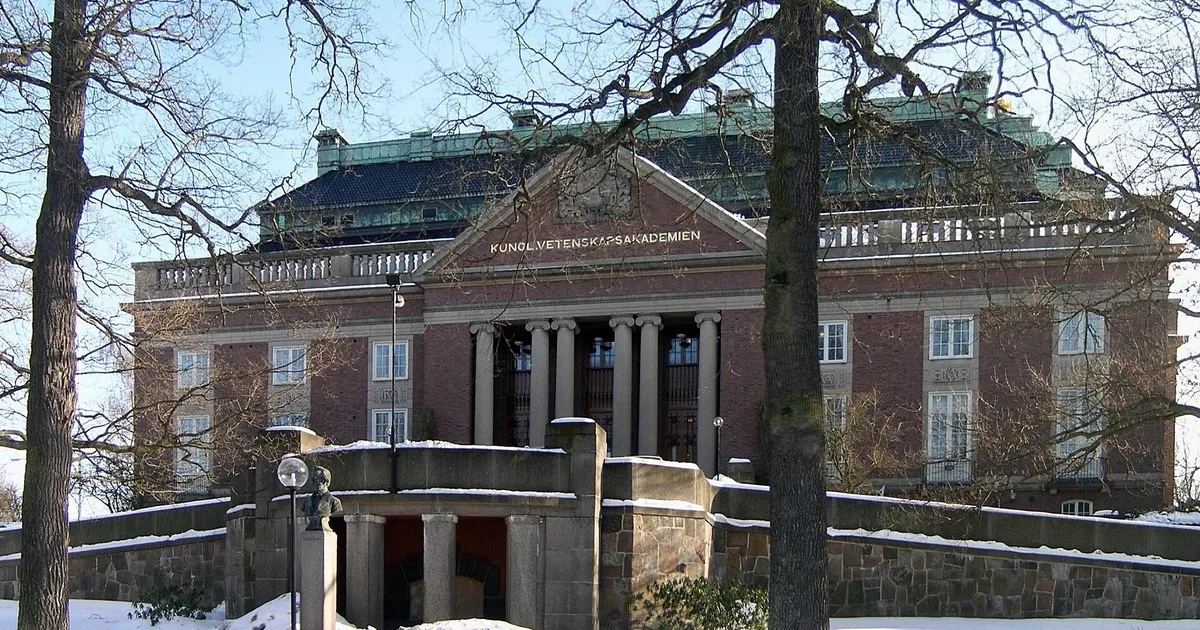
Two American economists, Robert E. Hall and Michael Woodford, have won the 2026 Nobel Prize in Economic Sciences for research on how monetary and fiscal policy can help stabilise the swings of the economy, the Royal Swedish Academy of Sciences announced in Stockholm on Monday, 12 October 2026.
What the prize recognises
According to Al Jazeera's report, citing AFP and Reuters, the laureates built models that improve policymakers' ability to reduce damaging swings in the economy. Rather than relying on statistical relationships between variables such as inflation, output and consumption, their models are built on microeconomic foundations — on how individual households and businesses make decisions, and how those decisions add up.
The Academy said the models give "an understanding of how the total mass of individual households and businesses affect the economy" through their actions.
Why the timing of their ideas matters
The reports describe the work as a response to the oil crises of the 1970s, which disrupted the Keynesian models then in use. The new tools were designed to identify which policy responses work best when the economy is hit by a shock.
John Hassler, chair of the prize committee, said the work provides "a stable theoretical foundation for the models that are now used by central banks and governments". He added: "With them, we are better equipped to deal with shocks in the economy" — pointing to examples such as energy crises and sudden changes in household spending.
Who they are
Hall, born in 1943 in Palo Alto, California, is a professor at Stanford University. Woodford, born in 1955 in Chicopee, Massachusetts, is a professor at Columbia University, according to CNBC and CNN coverage.
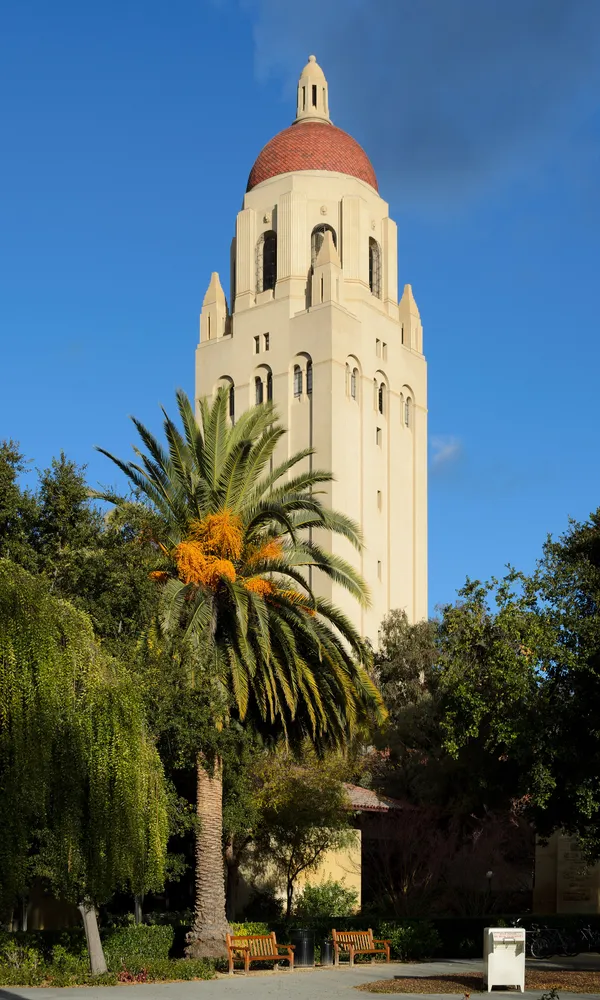 Photo: Hoover Tower, Stanford University, where Robert Hall is a professor — Wikimedia Commons (CC-licensed)
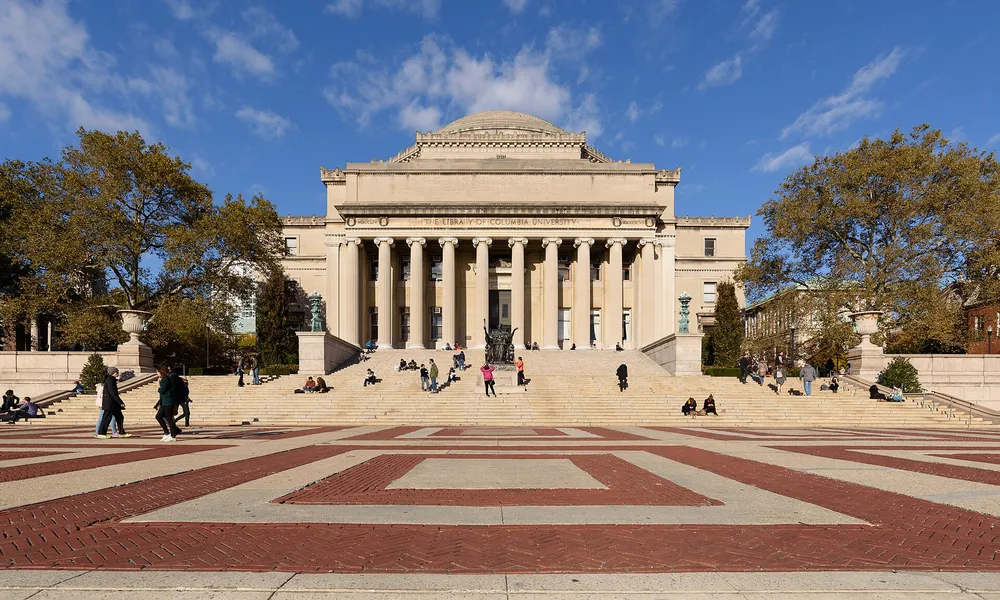 Photo: Columbia University, where Michael Woodford is a professor — Wikimedia Commons (CC-licensed)
The prize and its place in the Nobel calendar
Each laureate's prize consists of a diploma, a gold medal and a share of 12 million Swedish kronor (about $1.2 million). The economics prize was first awarded in 1969 and, strictly, is not one of the five prizes in Alfred Nobel's 1895 will: it was established by Sweden's central bank. Officially it is the Sveriges Riksbank Prize in Economic Sciences in Memory of Alfred Nobel.
It was the final Nobel announced this year. Most laureates have been from the United States, and only three women have won, most recently Claudia Goldin in 2023. Last year's prize went to Joel Mokyr, Philippe Aghion and Peter Howitt for work on "creative destruction" and innovation-driven growth.
What it means for ordinary readers
The prize is about the machinery behind decisions that reach every household: how a central bank judges the impact of an interest-rate change, or how a government weighs spending against a downturn. For Thai readers, those questions are familiar — from the Bank of Thailand's rate decisions to government support when energy prices spike. The Nobel committee's message is that such decisions now rest on a firmer theoretical footing than they did half a century ago.
 Illustrative photo: Stockholm Concert Hall set up for the Nobel Prize — Wikimedia Commons (CC-licensed)
What's next
The laureates will receive their awards at the traditional Nobel ceremony in Stockholm in December. Information as of 13 October 2026.
Sources: Al Jazeera (AFP, Reuters), CNBC, CNN, NPR. For a Thai-market angle on fuel prices and household costs, see our oil price tool.
Sources
- Al Jazeera (AFP, Reuters) — Nobel economics prize awarded to Robert Hall and Michael Woodford
- CNBC — Nobel prize in economics awarded to Robert E. Hall and Michael Woodford
- CNN — Two Americans win Nobel prize for models to tackle economic downturns
- NPR — Nobel Prize in economics goes to Hall, Woodford for work on boom-bust cycles
Frequently asked questions
- Who won the 2026 Nobel Prize in Economics?
- Robert E. Hall of Stanford University and Michael Woodford of Columbia University, both Americans, for research on how monetary and fiscal policy can help stabilise economic swings.
- How much is the prize worth?
- The prize is 12 million Swedish kronor, about $1.2 million, together with a diploma and gold medal. Reports available at publication did not specify how it is divided between the two laureates.
Related news
 World
WorldAMD Tops $1 Trillion Market Cap for First Time, Thai Chip Stocks Rally Too
AMD stock closed at a record $613.92, pushing its market cap past $1 trillion for the first time. The same day, Thailand's HANA and DELTA shares rallied on the same AI wave.
 World
WorldTrump Hits Canada with 50% Tariffs — A New Trade-War Escalation Shakes Global Markets
The US imposed 50% tariffs on roughly $20 billion worth of Canadian imports — from wine to cement to furniture — using a Depression-era law. Canada's PM Carney called it a 'direct violation' of USMCA but opened the door to talks.
 World
WorldUS Strikes Iran Again as Three Tankers Attacked in Strait of Hormuz
Three commercial vessels were attacked in the Strait of Hormuz on July 7, 2026 — the US struck Iran and reimposed oil sanctions, lifting Brent crude 5.5%.