Thailand Sets 7-Tier Data Center Rules: Over 20 MW Must Go in Industrial Estates
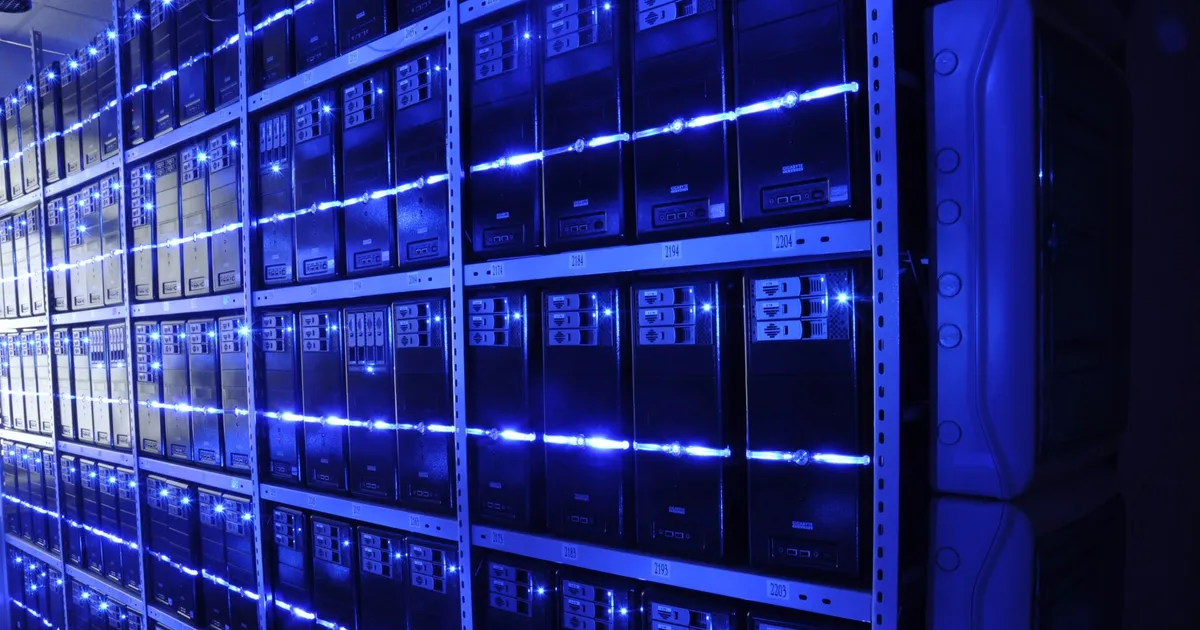
Thailand's cabinet on 10 November 2026 approved a policy to regulate data centers, setting the country's first national minimum standards. It splits facilities into seven tiers by power draw, requires projects above 20 megawatts to be built in industrial estates, and creates a screening mechanism for new investors to stop speculative hoarding of electricity and water.
What the new rules say
Deputy Prime Minister and Finance Minister Ekniti Nitithanprapas, who chairs the data center policy committee, briefed reporters with the heads of the NESDC and the Board of Investment (BOI). The rules cover facilities drawing 0.5 MW or more, in line with international definitions; smaller in-house facilities run by agencies or banks are outside the frame. Minimum standards cover environment and community impact, water use, electricity use, zoning and safety.
The government says it wants to balance three goals: reassure the public through minimum standards, give investors clear rules, and require future projects to add value to the Thai economy through jobs, workforce skills and supply chains, drawing on Singapore's approach. Ekniti said future policy would not look at the size of the investment alone.
Seven tiers by power draw
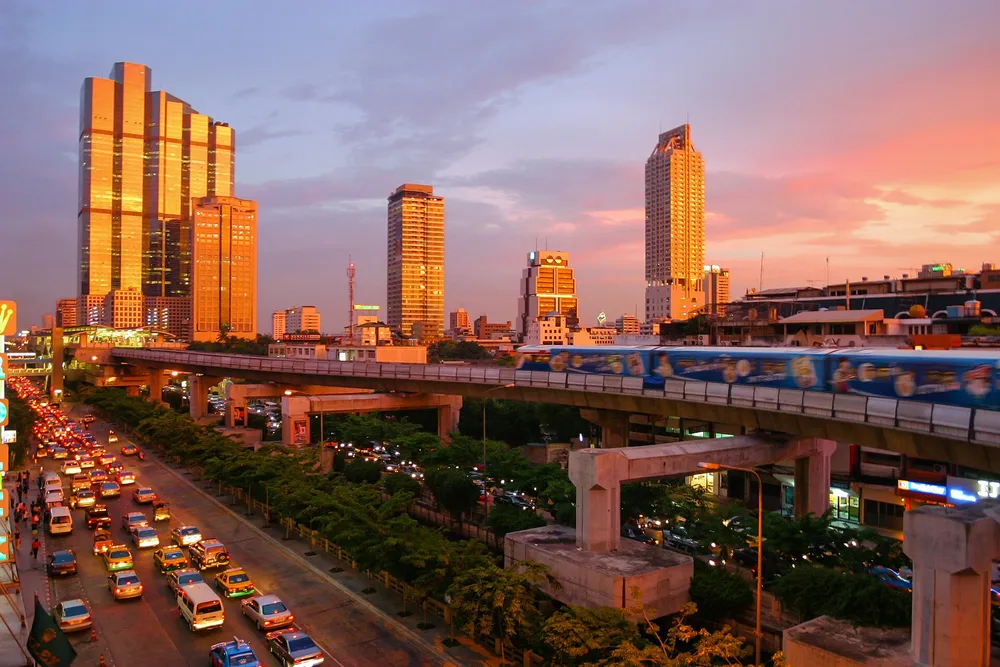 Photo: User:Diliff — CC BY-SA 3.0 (Wikimedia Commons)
| Tier | Total power |
|---|---|
| 1 | Under 0.5 MW |
| 2 | 0.5 – 5 MW |
| 3 | 5 – 10 MW |
| 4 | 10 – 20 MW |
| 5 | 20 – 50 MW |
| 6 | 50 – 200 MW |
| 7 | 200 MW and above |
Tiers 2–4 (up to 20 MW) must follow a Code of Practice on noise, heat and energy efficiency, keep backup fuel and generators, and may be built in commercial zones. Tier 5 and above (over 20 MW) face the strictest oversight and must be located in industrial estates only. Officials described these as minimum standards, with details to go out for public comment again.
No EIA, but caps on noise, heat and water
According to press reports, data centers are not heavy industry and so do not need a full environmental impact assessment (EIA), but must follow the Code of Practice: noise at the site boundary of no more than 70 decibels, heat discharge limited to roughly 1–2 °C, and closed-loop cooling water tested before any discharge. Projects inside industrial estates already fall under the estate's own EIA.
One year to adapt, and a screening gate for newcomers
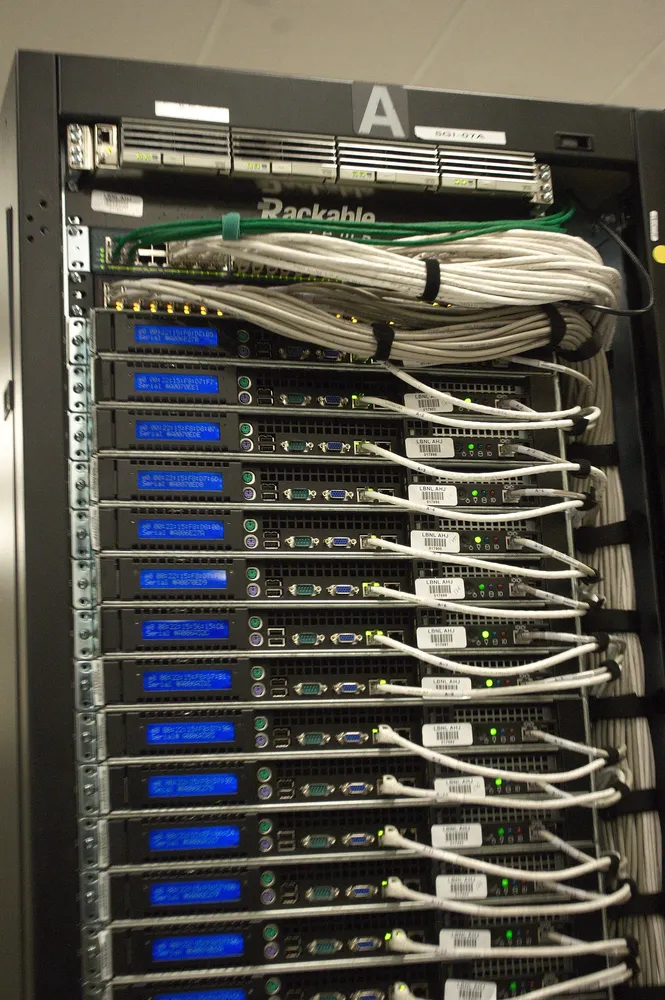 Photo: Derrick Coetzee from Berkeley, CA, USA — CC0 (Wikimedia Commons)
Operators that held a construction permit or BOI promotion before 14 August 2026 — the date the rules were published in the Royal Gazette — can carry on. Those not yet meeting environmental standards get about a year to upgrade. Applicants after that date and new entrants must first pass the One Stop Service's screening committee; BOI, the electricity and water utilities and construction-permit authorities are then to issue licences on a "Fast Track" basis.
The Digital Economy and Society Ministry will set up the One Stop Service and a dashboard showing how many data centers exist nationwide and where.
Squeezing out the brokers
A key reason for screening is inflated power reservations. Reports cite more than 110 overlapping applications totalling about 30,000 MW, with only about one in four believed to come from genuine investors; the rest are brokers or contractors reserving power and water to resell the rights. Ekniti said those not running a real business would be cut out.
BOI data as of end-April 2026 shows 57 approved data center projects: 17 operating, 20 with construction permits and 20 in preparation. All will be reviewed through the One Stop Service on environment, water and power. BOI Secretary-General Narit Terdsatirakul said he was confident the rules would not create environmental problems.
What it means for Thai readers
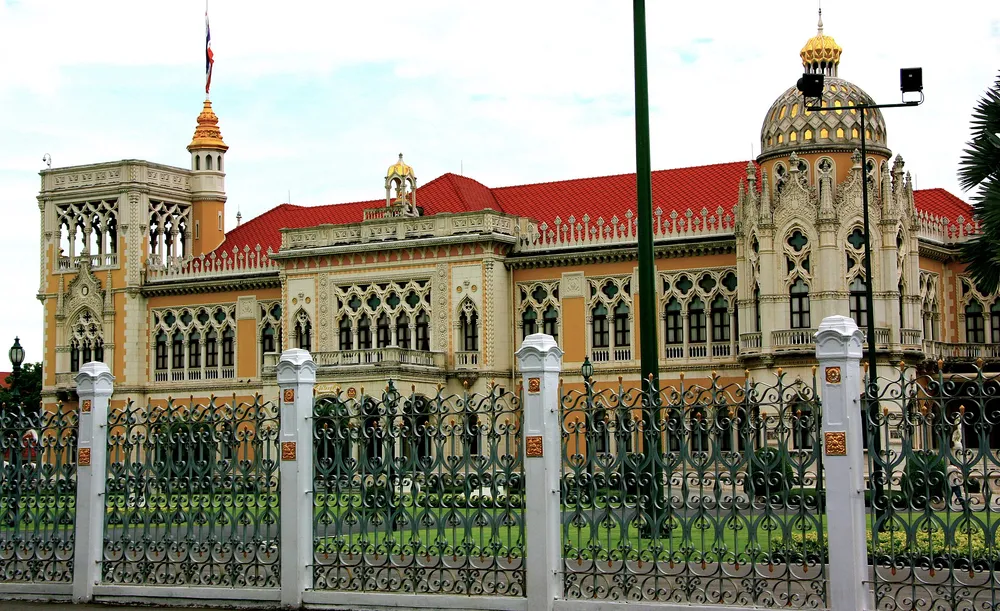 Photo: Sodacan — CC BY-SA 3.0 (Wikimedia Commons)
As AI pushes data centers' appetite for power and water higher, the public worry is about electricity bills, water and noise near homes. The rules answer by steering large projects into industrial estates and capping noise, heat and water impact, while investors get clearer ground rules after Thailand drew large inflows — as we reported in Thailand's rise as ASEAN's data center and AI hub and the AI data center investment wave.
Data as of 12 November 2026. Tier-level details still await public comment and the official cabinet resolution, and some figures differ slightly between outlets.
Key facts
- Cabinet decision: 10 November 2026
- Scope: facilities from 0.5 MW, in 7 tiers
- Above 20 MW: industrial estates only
- Existing projects (before 14 Aug 2026): one year to adapt
- BOI-approved: 57 projects (17 operating · 20 with permits · 20 preparing)
Sources
Frequently asked questions
- Which data centers do the new rules cover?
- Facilities drawing 0.5 megawatts (MW) or more, split into seven tiers from 0.5–5 MW up to 200 MW and above. In-house facilities of organizations drawing less than 0.5 MW fall outside the rules.
- Which data centers must be built in industrial estates?
- According to reports on the announcement, projects above 20 MW (tier 5 and up) must be in industrial zones, while projects up to 20 MW may be built in commercial zones.
- What happens to existing projects?
- Projects with a construction permit or BOI promotion before 14 Aug 2026 will be checked through a One Stop Service, and those short of the standards get about one year to fix them.
Related news
 Thailand
 FDI Jumps 80% to $40.6B as AI Data Centers Drive Boom
Foreign investment in Thailand jumped 80% to $40.6B in H1 2026, led by AI data centers and digital infrastructure — creating over 82,000 jobs.
 Thailand
 Rises as ASEAN's Data Center and AI Hub: BOI Greenlights ฿958 Billion Investment Wave
Thailand's BOI approved a ฿958 billion digital investment wave led by giant data centers, as Google, AWS and Microsoft open cloud regions in the country.
 Thailand
BOI Backs Toyota Hydrogen Hilux Line in Thailand, Exports 2027
Thailand's BOI approved Toyota's 1.49bn baht hydrogen fuel-cell Hilux line in Chachoengsao: 3,000 vehicles a year, production from December 2027.