BOI Backs Toyota Hydrogen Hilux Line in Thailand, Exports 2027
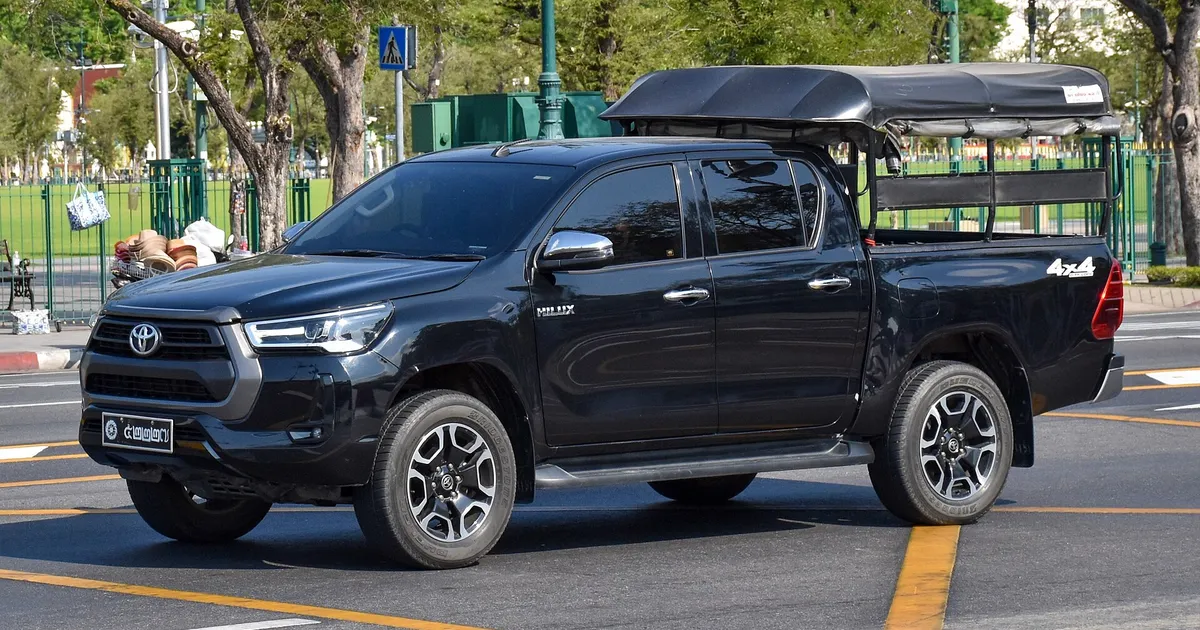
Thailand's Board of Investment (BOI) has approved investment promotion for a 1.49 billion baht ($44.3 million) Toyota Motor Thailand project to build hydrogen fuel-cell Hilux pickups at the Ban Pho plant in Chachoengsao province, according to reports published on 19 October 2026. The BOI describes it as the first production of hydrogen fuel-cell pickups in Thailand.
What the project involves
Toyota will convert an existing Hilux line for fuel-cell electric vehicles (FCEVs), adding workstations for hydrogen tanks, fuel cells, battery packs, electric motors and power-control systems. A hydrogen refuelling station will be installed inside the factory to support production and testing.
- Investment: 1.49 billion baht (about $44.3 million)
- Capacity: 3,000 vehicles a year
- Start of production: December 2027
- First markets: all exported, mainly to Europe, Australia and New Zealand, where Toyota had earlier planned to introduce the model from 2028
Why it matters for Thailand
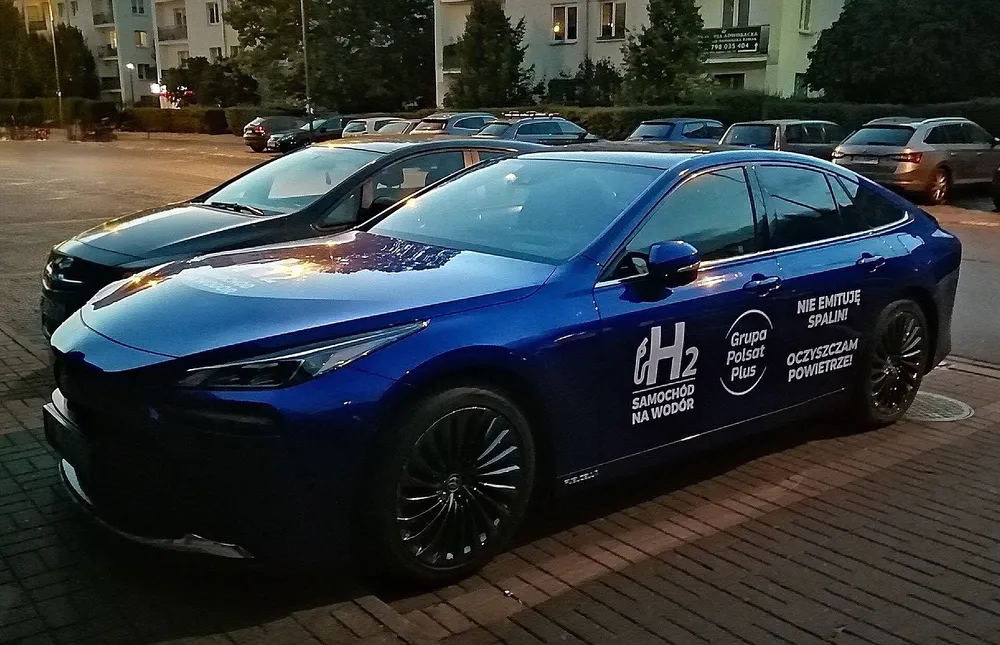 Photo: Siarhei Besarab — CC BY-SA 4.0 (Wikimedia Commons)
Thailand has long been a major global pickup-truck base. Building a hydrogen version here suggests that base is moving into new powertrains rather than only making combustion vehicles.
The most tangible effect is on the supply chain. The project is expected to use about 640 million baht a year of Thai-made parts, including air-conditioning and cooling systems, seats, wheels and tyres, wiring harnesses and interior components. Toyota also plans to transfer manufacturing, quality-control and safety know-how to Thai suppliers.
The wider EV investment picture
As of September 2026 the BOI had approved 203 EV-ecosystem projects worth more than 141 billion baht. Toyota has invested in Thailand for 64 years, more than 200 billion baht in total; its Samrong, Gateway and Ban Pho plants can build over 770,000 vehicles a year, and it employs more than 13,000 people.
The BOI's secretary-general said Toyota "has continued to place confidence in Thailand throughout more than 60 years of investment."
Refuelling remains the open question
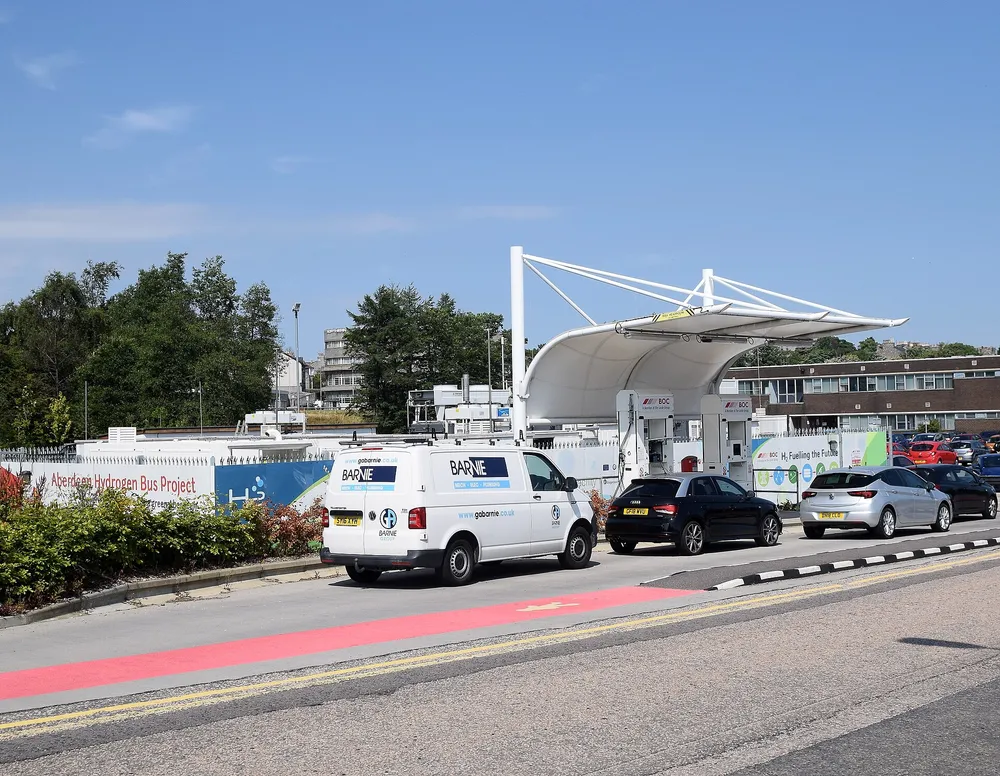 Photo: Bill Harrison — CC BY-SA 2.0 (Wikimedia Commons)
The project is export-focused, and domestic use would depend on infrastructure such as hydrogen stations. The reports cited give no plan to expand them in Thailand; the only confirmed station is the one inside the factory for production and testing.
What to watch
- Progress installing the line before the planned December 2027 start
- Which Thai suppliers join the supply chain
- Whether any Thai sales plan is announced; none has been so far
Information as of 27 October 2026. For today's EV options, see the EV charging cost calculator and the charging station directory.
Sources
Frequently asked questions
- Will the hydrogen Hilux be sold in Thailand?
- Initial production is entirely for export to Europe, Australia and New Zealand. No Thai sales plan has been announced.
- How many vehicles will the line build?
- Capacity is 3,000 a year, with the line expected to start in December 2027.
Related news
 Thailand
TH-AI Passport Tops 1.47M Sign-Ups in Two Weeks as Thailand Gives Away Free Pro AI
Thailand's TH-AI Passport lets citizens 15+ use 30+ AI models from 14 providers for free. Sign-ups hit 1.47 million within days of the program's launch.
 Thailand
 FDI Jumps 80% to $40.6B as AI Data Centers Drive Boom
Foreign investment in Thailand jumped 80% to $40.6B in H1 2026, led by AI data centers and digital infrastructure — creating over 82,000 jobs.
 Thailand
 Rises as ASEAN's Data Center and AI Hub: BOI Greenlights ฿958 Billion Investment Wave
Thailand's BOI approved a ฿958 billion digital investment wave led by giant data centers, as Google, AWS and Microsoft open cloud regions in the country.