Thailand PM Visits Malaysia, Opens New Sadao Border Checkpoint to Boost Trade

Thai Prime Minister Anutin Charnvirakul arrived in Malaysia on July 9 for a two-day official visit at the invitation of Malaysian PM Dato' Seri Anwar Ibrahim, aiming to deepen cooperation across trade, agriculture, and border connectivity. The centrepiece of the visit is a joint ceremony to open the new road linking Thailand's new Sadao checkpoint with Malaysia's Bukit Kayu Hitam complex — just hours before the upgraded crossing begins full operations on July 11.
A Two-Day Agenda: From Putrajaya to the Southern Border
This is Anutin's third trip to Malaysia since taking office and his first official state visit since being re-appointed prime minister in March 2026. The agenda spans both capitals and the shared border:
July 9 — Putrajaya: Small-group and full-delegation talks at Perdana Putra Complex, an evening business roundtable with Thai and Malaysian business leaders, and the signing of a Memorandum of Understanding on agricultural cooperation, which is expected to strengthen food security ties between the two neighbours.
July 10 — Sadao–Bukit Kayu Hitam border: Both prime ministers will co-officiate the opening of the new connecting road that links the upgraded checkpoint on the Thai side with Malaysia's Bukit Kayu Hitam Immigration, Customs, Quarantine and Security complex in Kedah.
Government spokesperson Ratchada Thanadirek said the visit "reflects both countries' efforts to strengthen ties," especially ahead of the 70th anniversary of Thai–Malaysian diplomatic relations in 2027.
The New Sadao Checkpoint: A Long-Overdue Upgrade
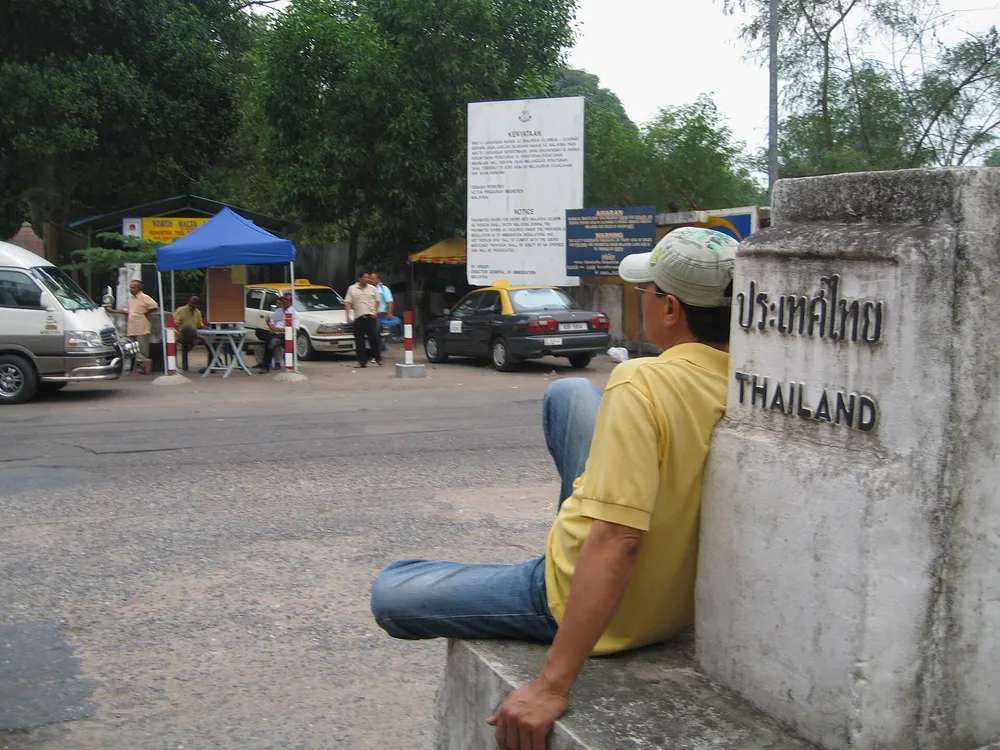
The Sadao–Bukit Kayu Hitam crossing is the busiest land border between Thailand and Malaysia. Over the years, travellers and freight trucks have faced queues stretching up to six hours during peak seasons, with the ageing infrastructure unable to keep pace with growing volumes.
The new checkpoint — approved by Thailand's Cabinet — is sited at boundary markers 23/9–23/10, replacing the decades-old crossing at markers 22–23. It introduces a modern CIQ (Customs, Immigration, Quarantine) complex with several key improvements:
| Upgrade | Details |
|---|---|
| New connecting road | Eases congestion on the Thai approach |
| Fast Scan system | Speeds up customs processing |
| Shuttle bus service | Links the checkpoint to inland areas |
| Operating hours | Daily 5 a.m.–11 p.m. (Thailand time) |
The facility opens officially on July 11, 2026. Longer service hours, faster screening, and better road access are expected to significantly cut wait times for the millions of travellers and tonnes of goods crossing each year.
Bilateral Trade at Record Levels

Malaysia is Thailand's number one trading partner within ASEAN and sixth globally. Bilateral trade in 2025 reached RM118.57 billion (approximately USD 26 billion), and the momentum continued into 2026: Q1 trade hit RM31.33 billion, up 14.5% from RM27.35 billion a year earlier.
Key goods flowing through Sadao in both directions include:
- Thailand → Malaysia: Natural rubber, processed seafood, vehicles and parts, electronics, fresh fruit
- Malaysia → Thailand: Consumer goods, food products, industrial raw materials, and trans-shipments from Singapore
Beyond freight, the crossing serves Thai tourists heading to Penang and Kuala Lumpur, Malaysian shoppers and day-trippers into Hat Yai, and cross-border workers from both countries.
What It Means for Southern Thailand
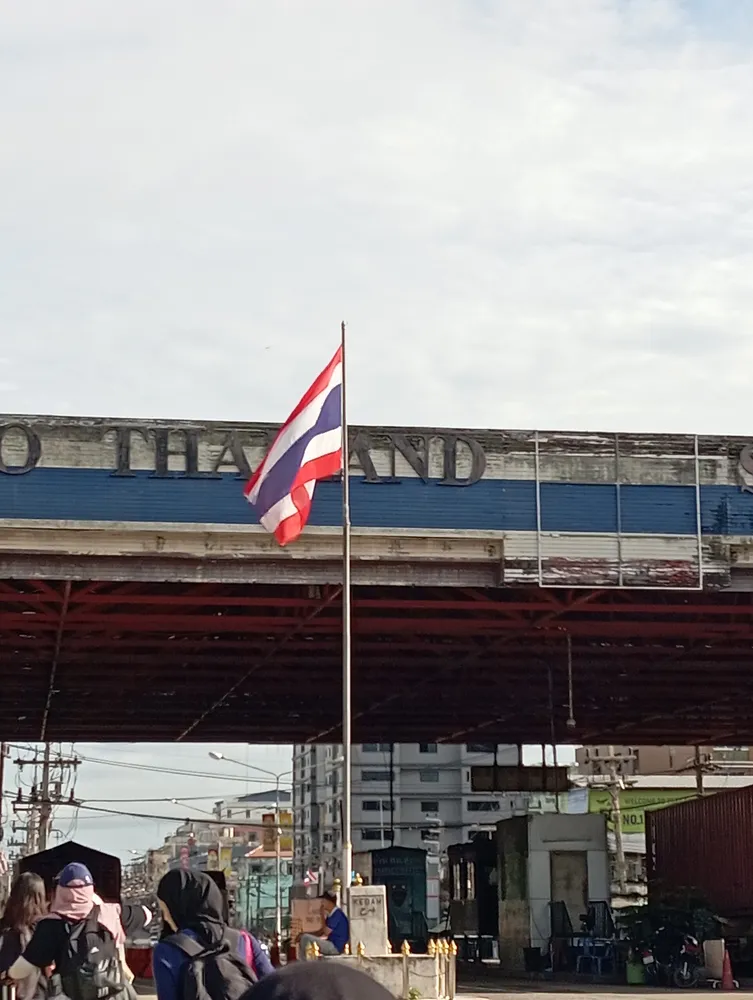
For border provinces such as Songkhla and Satun, a more efficient crossing means lower logistics costs, faster customs clearance, and greater appeal for investment. The discussions also covered border security cooperation to combat transnational crime and coordinated development of the southern border zone — a long-running priority for both governments.
The joint statement expected at the end of the visit is set to cover border development, transport connectivity, food and energy security, and an economic partnership roadmap heading into the seventh decade of diplomatic relations.
Looking Ahead
With trade growing at double-digit rates, a modernised border crossing days away from opening, and a freshly signed agricultural MOU, analysts say Thai–Malaysian ties are at their closest in 70 years — well positioned to handle emerging supply-chain challenges and ASEAN integration goals.
For broader context on Thailand's trade and investment climate, see our earlier coverage of Thailand's record export figures and the FastPass foreign investment scheme.
Sources: The Star Malaysia · Business Today Malaysia · Free Malaysia Today · Matichon · The Standard
Sources
Frequently asked questions
- Where is the new Sadao checkpoint and when does it open?
- The new Sadao Customs, Immigration, and Quarantine (CIQ) complex is located at boundary markers 23/9–23/10 in Songkhla Province. It officially opens on July 11, 2026, operating daily from 5 a.m. to 11 p.m. Thailand time.
- How is the new Sadao checkpoint different from the old one?
- The new facility sits at a newer location with a modern CIQ complex, a Fast Scan system to speed up customs processing, a new connecting road to ease traffic, and shuttle bus services to inland areas — replacing a decades-old checkpoint that caused queues lasting up to six hours.
- How large is Thailand–Malaysia bilateral trade?
- In 2025, Thailand–Malaysia bilateral trade reached RM118.57 billion (roughly USD 26 billion), making Malaysia Thailand's top ASEAN trading partner. In Q1 2026 trade grew 14.5% year-on-year to RM31.33 billion.
Related news
 Thailand
Bangkok Named World's Best Nightlife City for 2026 by Time Out
Time Out ranked Bangkok the world's best nightlife city for 2026, up from 13th, beating Berlin and NYC as Thailand extends bar hours to 4am.
 Thailand
Thailand Caps First 200 Power Units at 3 Baht from September
Thailand's energy regulator has finalized a new tariff that caps the first 200 units of household electricity at 3 baht, easing bills for over 21 million homes from September.
 Thailand
Thailand OTOP Fair 2026 Tops 92 Million Baht in Sales in 1.5 Days
Thailand's OTOP fair sold 92.5 million baht in its first 1.5 days, aiming to return 770-800 million baht to community producers nationwide by August 16.