Super Typhoon Bavi Makes Landfall in China — 1.7 Million Evacuated, Trail of Destruction Across Four Countries

Watch more: Typhoon Bavi smashes Taiwan before bearing down on China — ABC NEWS
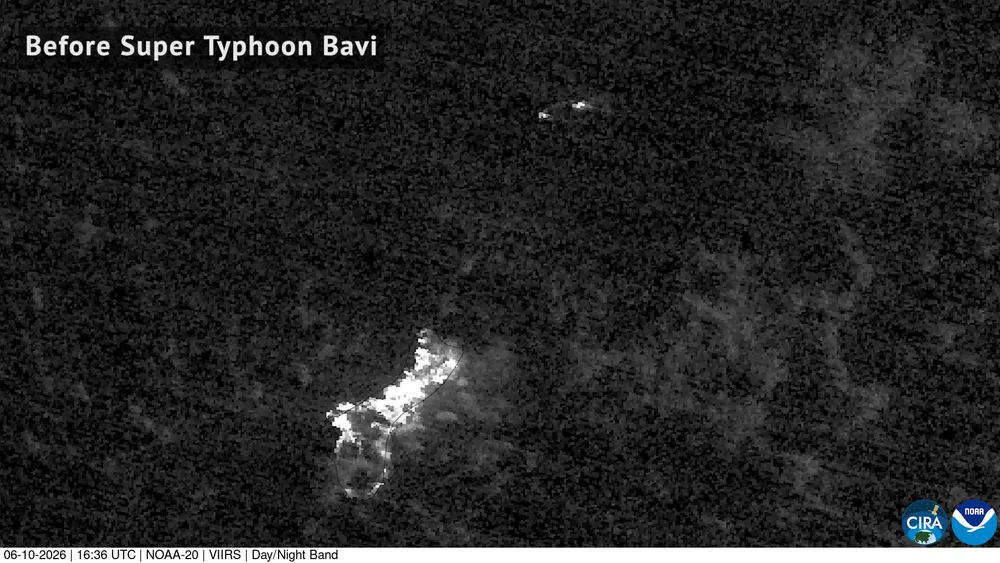
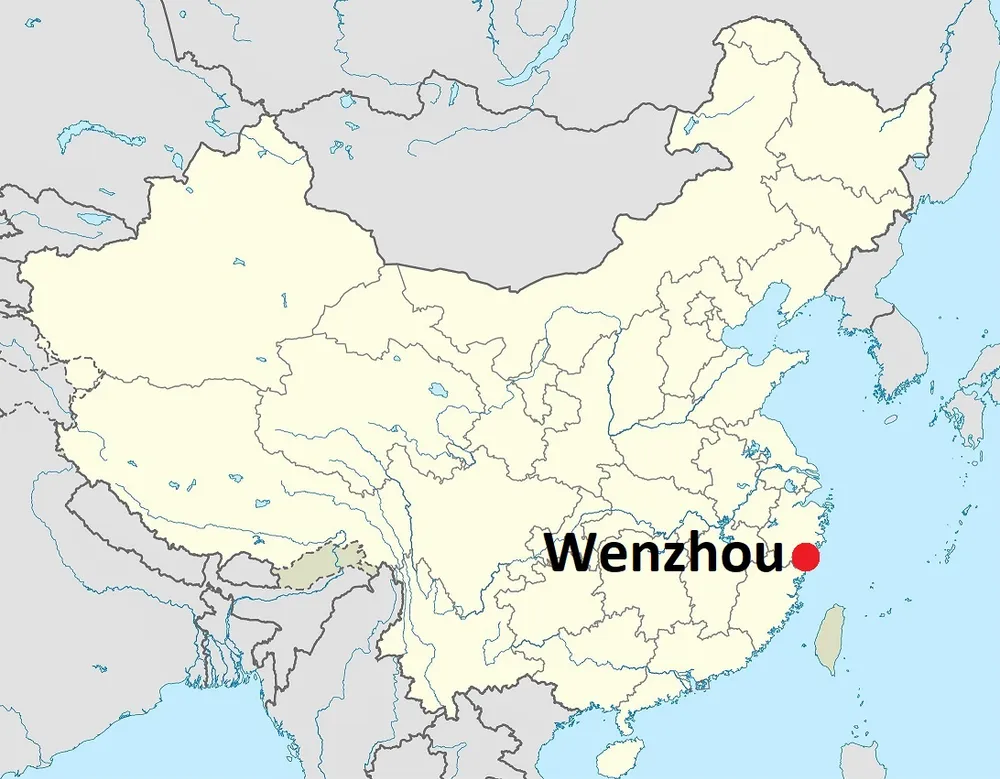
Super Typhoon Bavi made landfall near Yuhuan, Zhejiang Province, eastern China, at around 11:20 PM local time on July 11, 2026, with maximum sustained winds of 144 km/h (89 mph). In the days before landfall, China conducted one of its largest pre-storm evacuations in recent years, moving nearly 1.88 million people out of high-risk coastal areas across Zhejiang, Shanghai, and Fujian. The typhoon had already carved a destructive path through the Philippines, Taiwan, and Japan before reaching the Chinese mainland.
Bavi's Track — From Super Typhoon to China Landfall
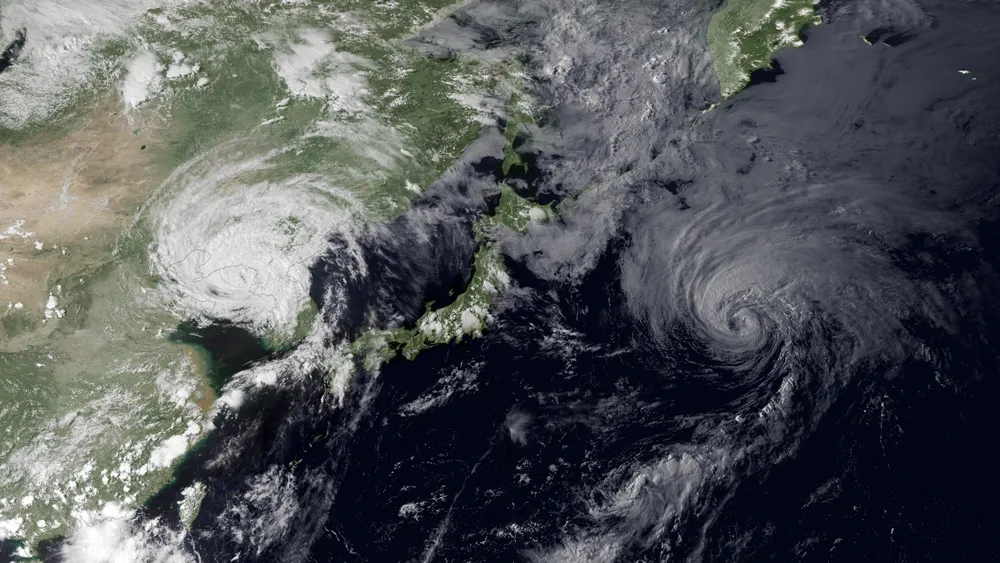
Bavi developed in the western Pacific Ocean and intensified rapidly, reaching peak winds of 285 km/h (177 mph) when it struck Rota Island in the Northern Mariana Islands on July 6 — equivalent to a Category 5 hurricane on the Saffir-Simpson scale. The storm then gradually weakened as it tracked northwest toward East Asia, though meteorologists warned it remained "a potent risk due to the sheer volume of moisture" it carried.
The storm's rain bands spanned an area roughly the size of France, meaning heavy rainfall extended far beyond the zone of direct wind damage. Even as winds eased at landfall, flooding and storm surge remained the primary threats for densely populated coastal lowlands.
1.88 Million Evacuated — China's Massive Pre-Storm Response
China issued an orange typhoon alert (the second-highest on its four-level scale) and began large-scale evacuations on July 10, the day before landfall. The total figures across affected provinces show the scale of the operation:
| Province / City | People Evacuated |
|---|---|
| Zhejiang Province | Over 1,700,000 |
| Fujian Province | Over 100,000 |
| Shanghai Municipality | 34,000 |
| Total | ~1,880,000 |
Fujian alone put more than 17,000 emergency rescue workers on standby. Schools and ferry services were suspended in high-risk areas, and residents in Hangzhou, Zhejiang's provincial capital, were reported to be stockpiling food and supplies. China's rapid response reflects lessons learned from Tropical Storm Maysak just weeks earlier, when a dam burst in Nanning, Guangxi, killed 39 people.
Philippines, Taiwan, Japan — Damage Before China
Bavi's long journey across the Pacific left a trail of destruction before reaching China:
Philippines bore the heaviest human toll. Between 17 and 19 people were killed, most from typhoon-triggered landslides and flash flooding as the storm swept across multiple islands before moving out into the South China Sea.
Taiwan recorded at least 87 injuries, with 14,210 people evacuated. Power cuts affected hundreds of thousands of households across the island's eastern coast, and the government closed government offices and schools in many coastal areas.
Japan — particularly Okinawa — evacuated 82,939 people and cancelled more than 200 flights as Bavi tracked past on its way to China.
Disruption to Transport and Daily Life
The combination of mass evacuations and safety concerns disrupted transport across the region:
- Flights: Hundreds of flights cancelled across China, including at airports in Shanghai and coastal Zhejiang cities
- Rail: Train services significantly reduced along routes through the affected zone
- Ferries: Suspended in areas expected to face the worst conditions
- Schools: Temporarily closed in multiple coastal cities
Meteorologists emphasize that even as Bavi's winds ease after landfall, the volume of accumulated rainfall poses an ongoing risk of inland flooding and river overflow in Zhejiang and Fujian over the coming days.
Context: 2026 Typhoon Season — A Busy and Destructive Start
Bavi is the second typhoon to strike China in just two weeks. The precedent set by Tropical Storm Maysak, where infrastructure failure (a dam breach) turned a Category-equivalent storm into a mass casualty event, has sharpened official vigilance this season.
Scientists are watching the 2026 Pacific typhoon season carefully amid warnings that Super El Niño conditions — currently strengthening in the central Pacific — may be elevating sea-surface temperatures to levels that sustain stronger typhoons for longer periods than historical averages.
Total confirmed damage across all affected countries now exceeds $164 million USD (~5.74 billion Thai baht), a figure that will rise as China's post-landfall assessment gets underway (data as of July 12, 2026).
What Comes Next
As of July 12, 2026, Bavi has made landfall and is weakening as it moves inland. Chinese disaster teams are now conducting damage assessments in coastal communities, while authorities in Zhejiang and Fujian maintain flood watches — heavy rainfall can continue to accumulate for 24–48 hours after a typhoon's center passes.
For the nearly 1.88 million people who evacuated, the return home depends on local officials clearing areas as safe. Agricultural losses in coastal farmland and damage to fishing infrastructure will take longer to quantify.
The event underscores how early-warning systems and pre-emptive evacuations — however costly and disruptive — remain the most effective tool for limiting loss of life when large typhoons make landfall in densely populated coastlines.
Sources: Al Jazeera · CNBC · PBS NewsHour · Wikipedia — Typhoon Bavi (2026)
Sources
Frequently asked questions
- Where and how strong was Typhoon Bavi when it made landfall?
- Typhoon Bavi made landfall near Yuhuan, Zhejiang Province in eastern China on July 11, 2026 at approximately 11:20 PM local time, with maximum sustained winds of 144 km/h (89 mph). At its peak over the Northern Mariana Islands on July 6, Bavi reached winds of 285 km/h (177 mph), equivalent to a Category 5 hurricane.
- How many people were affected across Asia?
- The Philippines reported 17–19 deaths, mostly from landslides and flooding. Taiwan had 87 injuries, 14,210 evacuations, and widespread power outages. Japan evacuated 82,939 people in Okinawa and cancelled over 200 flights. China evacuated nearly 1.88 million people across three provinces before Bavi made landfall.
Related news
 World
WorldCuba's Repeated Blackouts: 5 Nationwide Grid Collapses in 5 Months Affect 10 Million
Cuba has suffered five island-wide blackouts in 2026, most recently on July 14, as its power grid produces only 43% of demand. Soviet-era plants are crumbling while US pressure cut off Venezuelan oil — China is responding with 49 new solar farms.
 World
WorldRattlesnake Blood Yields Antivenom 10x Stronger Than Current Drugs
Proteins from rattlesnake blood, combined, neutralize venom 10x more potently than current antivenom in lab tests — a study with a Thai scientist on the team.
 World
WorldKākāpō Population Soars Past 300 for First Time in 75 Years
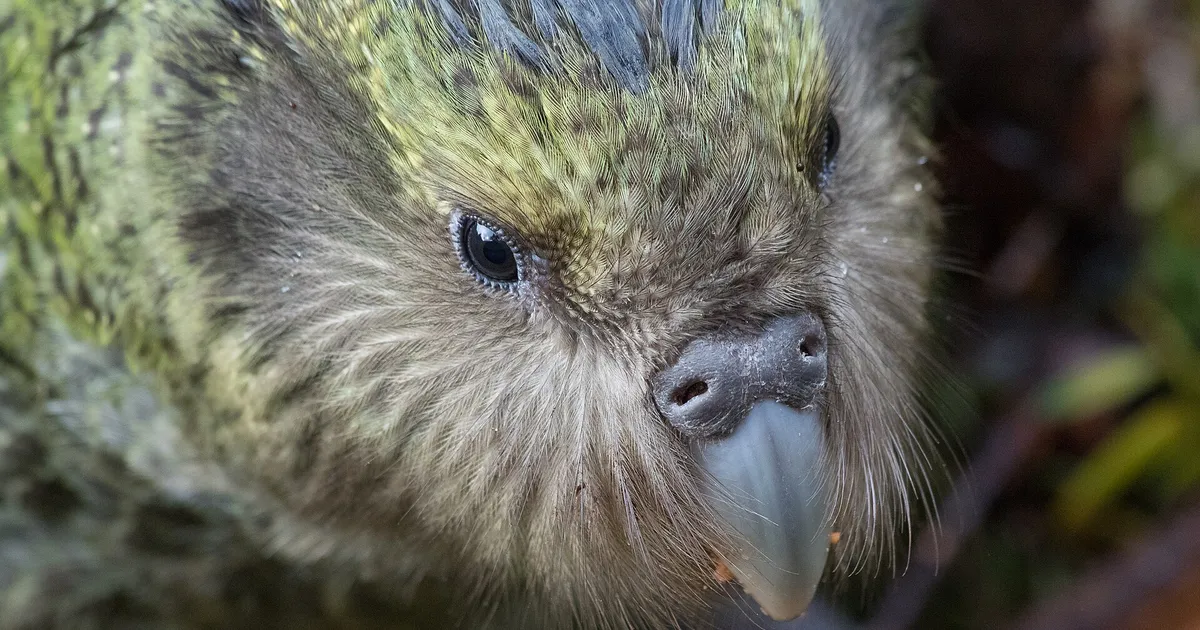
New Zealand's kākāpō, the world's heaviest parrot, reached 325 birds after a record 2026 breeding season added 90 chicks — up from just 51 birds in 1995.