Rainy-Season Diseases 2026: 7 Illnesses to Watch, Symptoms, Prevention and When to Rush to Hospital

Watch more: 'Get ready for the diseases the rainy season brings' by Pob Mor Rama (Rama Channel)
As Thailand's rainy season sets in (roughly May to October), emergency rooms and clinics nationwide noticeably fill up. It's no coincidence — rain creates standing water that breeds mosquitoes, humid and swinging weather lets viruses spread easily, and floods wash pathogens from the ground and animal waste into the water. The real questions are: which diseases actually deserve your attention, what do they look like, and where is the line where "rest and fluids" is no longer enough and you must rush to hospital?
This guide gathers the 7 rainy-season diseases Thais encounter most, with data from Thailand's Department of Disease Control (DDC) and leading hospitals (situation as of July 2026). By the end you'll know what to watch for, how to prevent it, and exactly where the "danger signs" begin — including the single most common mistake, taking the wrong fever medicine, which can quietly make things far worse.
Why do people fall ill so much more in the rainy season?
Before we dive into each disease, understand that the rainy season creates conditions that favour several groups of illnesses at once:
- Standing water = a mosquito factory. The Aedes mosquito that carries dengue lays eggs in clean, still water — even a bottle cap or a plant-pot saucer is enough. Eggs become adults in about 7–10 days.
- Floods = contaminated water. Rain washes bacteria from soil, animal waste and sewage into pooled floodwater — the source of leptospirosis and gastrointestinal disease.
- Humid, changeable weather. Alternating heat and damp weakens the respiratory lining, so the common cold, influenza and RSV spread more easily.
- People crowd indoors. People shelter from the rain, and children return to school together — so contact- and airborne-spread diseases move fast.
In short, the rainy season offers many "routes" to getting sick — from mosquitoes, water, food and the people around you. Prevention therefore has to work in layers, not just carrying an umbrella.
1) Dengue fever — the most dangerous rainy-season disease
If we ranked the diseases to fear most in the rainy season, dengue fever would be number one without question. Thailand sees tens of thousands to over a hundred thousand cases a year, with deaths every year. In 2025 the country recorded around 58,000 cases and 61 deaths, and the DDC set a 2026 target of keeping cases below 50,000. The heaviest transmission runs from May to August — right in the middle of the rainy season.
Dengue is spread by the Aedes mosquito, and a common misconception is dangerous here: this mosquito bites mainly during the daytime (especially morning and late afternoon), not at night. So you can't let your guard down even at home or in the office.
The 3 phases of dengue you must recognise in time
Dengue's danger lies in a counter-intuitive fact: the period when the fever drops is the most dangerous, not when it's highest. Understand these three phases and you'll know when to watch especially closely.
| Phase | Timing | Symptoms | What to watch |
|---|---|---|---|
| 1. Febrile phase | Days 1–3 (fever 2–7 days) | Sustained high fever 38.5–40°C, headache, pain behind the eyes, body aches, flushed face, poor appetite, nausea | Not yet very dangerous — but avoid the wrong medicine (see below) |
| 2. Critical / shock phase | Days 3–7, often "as the fever falls" | Fever drops but patient worsens; plasma leakage, possible shock, abnormal bleeding | The most dangerous — needs 24h close monitoring |
| 3. Recovery phase | 24–48h after the critical phase | Rapid improvement, appetite returns, more urine, itchy red rash | Avoid overloading with fluids now |
The common mistake: when the fever drops on day 3–4 people assume they've "recovered" and stop watching — when in fact that's the gateway to the shock phase. If, after the fever falls, the patient becomes drowsy, very weak, has abdominal pain, vomiting, or cold hands and feet, get to hospital immediately.
⚠️ Critical: never take NSAIDs with dengue When dengue is suspected (or for any unexplained high fever in the rainy season), never self-medicate with NSAID painkillers such as ibuprofen and aspirin. These interfere with platelet function and sharply raise the risk of serious bleeding in the gut or brain. The World Health Organization recommends paracetamol only to reduce the fever, and never above the label dose. This is exactly why you should not buy strong fever reducers to take on your own during a rainy-season fever.
Preventing dengue: "3 Store, prevent 3 diseases"
The DDC promotes the "3 Store" measure you can do at home, which prevents three mosquito-borne diseases (dengue, Zika and chikungunya):
- Store the house clean and open, with no dark corners for mosquitoes to rest.
- Store (clear) the rubbish — remove containers around the house that can hold water, weekly.
- Store water — seal water containers tightly, change water in vases and plant saucers weekly, and turn over unused containers.
Add mosquito repellent, window screens, bed nets for small children, and note that a dengue vaccine is now an option for some groups (consult a doctor first — especially if you've had dengue before, as a second infection is often more severe than the first). For a detailed rundown of mosquito-control products worth having at home, with real prices and how to choose, see our 9 best mosquito repellents guide.
2) Leptospirosis (rat urine disease) — the silent threat from floods
When floodwater pools or you have to wade through it, leptospirosis is one of the top water-borne diseases. It's caused by Leptospira bacteria found in the urine of carrier animals — rats, pigs, cattle, buffalo and dogs. When it rains or floods, the bacteria wash into water and mud, then enter the body through wounds, grazes, or the membranes of the eyes, nose or mouth while you wade unprotected.
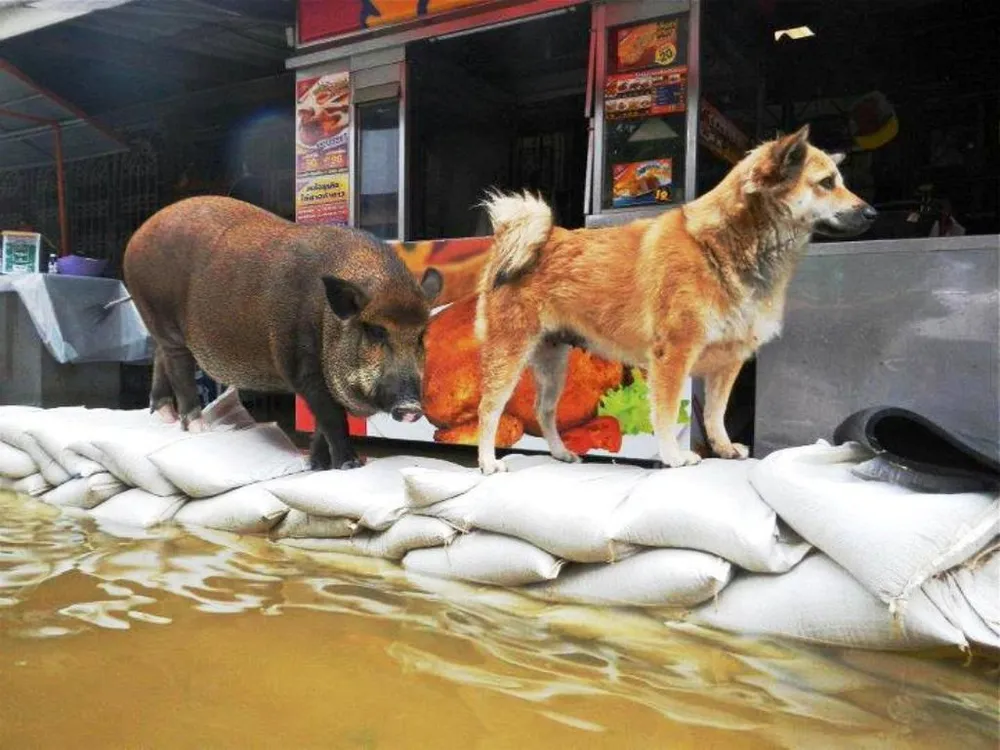 Photo: DANIEL JULIE from Paris, France — CC BY 2.0 (Wikimedia Commons)
If you've just waded through floods, trudged through mud, or farmed in the rain — while our guide on caring for your car after driving through floodwater warns you to protect your car, this article urges you to protect yourself too, because leptospirosis is a preventable cause of death if you catch it in time.
The incubation period is about 1–2 weeks (up to 3 in some cases) after contact with contaminated water. Key symptoms to remember:
- Early stage: sudden high fever, chills, severe headache, and intense muscle pain, especially in the calves, along with red eyes (conjunctival suffusion, without discharge).
- Severe stage (if left untreated): jaundice, kidney failure, pneumonia, abnormal bleeding, even pulmonary haemorrhage — which can be fatal.
The good news: leptospirosis is fully curable with antibiotics if you see a doctor early. The key is not to self-treat with fever reducers and wait it out. If, 1–2 weeks after wading in water, you get a fever plus severe calf pain, see a doctor quickly and tell them you were recently in floodwater so they consider this disease early.
Prevention: wear rubber boots and gloves when you must wade through water or mud, avoid prolonged soaking especially with open wounds (cover them with waterproof plasters), shower and wash with soap immediately after leaving the water, control rats around the home, and don't eat or drink anything possibly contaminated. It does not spread person to person.
3) Influenza — a heavier year than usual
Influenza is not just "a bad cold" — it can be fatal in high-risk groups, and 2026 is an especially heavy year. DDC data early in the year showed 137,276 cumulative cases from 1 January to 9 March 2026, rising to around 148,000 by mid-March with 12 deaths, and the full-year trend is expected to exceed the previous year. The most common strain is A/H3N2 (56%), followed by type B (42%) and A/H1N1 (2%).
How it differs from a common cold: influenza tends to hit "suddenly" — high fever of 38–40°C, whole-body aches, headache, severe fatigue, dry cough and sore throat — unlike a common cold that comes on gradually and usually has no high fever or severe aches.
The 7 high-risk groups who should get the (free, annual) flu vaccine
The state provides a free annual flu vaccine to high-risk groups at hospitals under their scheme: pregnant women; children aged 6 months to under 5 years; adults 65 and older; people with disabling brain conditions who can't care for themselves; those with thalassaemia or immunodeficiency; people weighing 100 kg or more; and patients with the 7 chronic-disease groups (COPD, asthma, heart disease, stroke, kidney failure, diabetes, and cancer under chemotherapy). If you or someone at home is in these groups, don't miss the shot before each rainy season.
4) Hand-foot-mouth disease — watch the children as school reopens
The rainy season coincides with the school term, when children gather again in schools and daycare, making hand-foot-mouth disease (HFMD) spread easily. The DDC reported 16,332 cumulative cases from 1 January to 25 June 2026 (no deaths so far). The most common virus found is Coxsackievirus A16 (36.36%), while the severe strain Enterovirus 71 (EV71) is rarer but must not be underestimated. The most affected group is young children aged 0–4.
Symptoms: fever together with ulcers or red spots in the mouth (tongue, palate, cheeks) and clear blisters on the palms, soles, body or buttocks. Small children are often fussy, refuse milk/food, drool, and complain of mouth pain. It spreads via mucus, saliva, blister fluid and stool.
Warning signs that require a doctor now: persistent high fever, eating and drinking very little, drowsiness, seizures, heavy vomiting, or laboured breathing — these can signal brain or heart complications. The best prevention is frequent hand-washing with soap, not sharing cups/spoons, and keeping a sick child home until recovered so they don't infect others.
5) Gastrointestinal disease — diarrhoea and food poisoning
In the rainy season food spoils quickly and drinking water can be contaminated, making diarrhoea, food poisoning — and in some areas cholera and typhoid — common, especially during floods when tap water may not be clean enough.
Symptoms: repeated loose stools, cramping abdominal pain, nausea, vomiting, sometimes fever. The main danger is dehydration, especially in young children and the elderly.
Basic care: sip ORS (oral rehydration salts) to replace lost water and electrolytes (not sports electrolyte drinks), eat bland, easily digested food, and don't rush to anti-diarrhoeal medicine since the body is expelling the germ. If there's bloody or mucousy stool, high fever, vomiting that prevents eating, reduced urination, or a dry mouth and sunken eyes (severe dehydration), go to hospital. Prevent it with "eat it hot, use a serving spoon, wash your hands": choose freshly cooked food and drink boiled or sealed bottled water.
6) Respiratory infections — colds, pneumonia and RSV in children
Beyond influenza, the cool damp of the rainy season also raises common colds, bronchitis and pneumonia, and in young children you must watch especially for RSV (Respiratory Syncytial Virus), which can cause bronchiolitis and difficulty breathing.
RSV often starts like a common cold (runny nose, cough, fever), but if a child begins to breathe rapidly, show chest retractions, wheeze, gasp for air, or drink less milk, get them to a doctor quickly — young children and those born prematurely risk severe illness. Prevention is frequent hand-washing, avoiding taking small children into crowds, and having anyone with a cold wear a mask around children.
7) Conjunctivitis and skin diseases — foot rot and fungus
Two nuisance conditions that come with damp and dirty water:
- Conjunctivitis (pink eye) from a virus spreads very easily by contact and often flares during floods. Symptoms are red, irritated, watery eyes with discharge. Most cases clear in 1–2 weeks, but don't rub the eyes, wash hands often, and don't share towels or pillows.
- Foot rot and skin fungus from soaking in water or wearing wet shoes too long — macerated, peeling, itchy, stinging skin between the toes. Prevent it by always drying your feet, changing wet socks and shoes, and applying antifungal cream at the first sign. A damp house also risks airborne mould that triggers allergies and asthma — see how to fix a damp, mouldy home in the rainy season for more.
Quick comparison of the 7 rainy-season diseases
| Disease | Spread / vector | Key symptoms | At-risk group | Warning signs |
|---|---|---|---|---|
| Dengue | Aedes mosquito (daytime) | Sustained fever 2–7 days, pain behind eyes | All ages; repeat cases worse | Drowsy after fever falls, abdominal pain, bleeding, cold extremities |
| Leptospirosis | Water/mud with animal urine | High fever, severe calf pain, red eyes | Flood-waders, farmers | Jaundice, low urine, breathlessness |
| Influenza | Droplets / contact | Sudden high fever, whole-body aches | 7 high-risk groups | Breathlessness, chest pain, drowsiness |
| Hand-foot-mouth | Saliva / blister fluid / stool | Mouth ulcers, blisters on hands/feet | Children 0–4 | Seizures, heavy vomiting, gasping |
| Diarrhoea / food poisoning | Contaminated food/water | Loose stools, cramps, vomiting | Young children, elderly | Dehydration, bloody stool, high fever |
| Cold / pneumonia / RSV | Droplets / contact | Runny nose, cough, fever | Young children, elderly | Rapid breathing, chest retractions, gasping |
| Conjunctivitis / skin | Contact / dirty water | Red eyes, foot rot, itching | People exposed to floods | Severe eye pain, blurred vision, infected wounds |
How to prevent rainy-season diseases — a full checklist
Preventing rainy-season disease isn't one thing but several "layers" matched to how germs enter the body. Turn it into a checklist:
 Photo: Shixart1985 — CC BY (wikimedia)
- Manage mosquitoes: do the "3 Store" weekly, use repellent, fit window screens, use bed nets for children.
- Beware floods: wear rubber boots to wade, cover wounds waterproof, wash immediately after wading.
- Food and water: eat it hot, use a serving spoon, wash your hands, drink clean water, avoid leftover food in the rain.
- Personal hygiene: wash hands with soap often, especially before meals and after the toilet; carry alcohol gel.
- Vaccines: high-risk groups get the annual flu vaccine, and ask a doctor about the dengue vaccine if eligible.
- Care for the home: ventilate, reduce humidity, wipe up wet areas to prevent mould and mosquitoes.
- Boost immunity: rest enough, eat a balanced diet, exercise, and drink enough clean water.
Warning signs: when to rush to hospital
Whatever the disease, the following "warning signs" mean go to hospital now — not wait it out at home:
- High fever lasting over 2 days, or fever that won't come down with reducers
- Drowsiness, hard to wake, confusion, or seizures
- Abnormal bleeding — spots on the skin, nosebleeds, bleeding gums, vomiting or passing blood
- Severe abdominal pain, or non-stop vomiting that prevents eating
- Rapid breathing, breathlessness, chest pain, or (in children) chest retractions
- Pale cold hands and feet, much-reduced urine, dry mouth and sunken eyes (signs of dehydration/shock)
Young children, the elderly, pregnant women and those with chronic conditions must be especially careful, as they can deteriorate faster than most.
Treatment costs and being financially prepared
 Photo: Direct Media — CC CC0 (stocksnap)
Many overlook that rainy-season illness can become a large expense. Dengue or leptospirosis often requires several days in hospital for IV fluids and monitoring; at a private hospital this can run from tens of thousands of baht per episode. Even influenza or HFMD treated as outpatients still carry consultation, medicine and test fees.
State coverage (the Universal Coverage "gold card" or Social Security) covers basic treatment at your assigned hospital and is the first line everyone should use. But if you want the option of a private hospital, a private room, or daily cash benefits during recovery, supplementary health insurance helps share the lump-sum burden — especially for diseases needing several days of admission in the rainy season. If you're interested, read our guide to choosing cost-effective health insurance to compare first, and pick coverage limits and benefits (IPD/OPD) that suit your family's budget and risk.
Common mistakes people make in the rainy season
- Self-medicating with strong fever reducers, especially NSAIDs, during a high fever — very risky if it's dengue.
- Assuming "fever gone = recovered" with dengue, when the falling-fever period is the critical one.
- Wading floods barefoot with open wounds and not washing off quickly — an open door for leptospirosis.
- Refusing to see a doctor "because it's just a cold" until things deteriorate, especially in high-risk groups.
- Leaving water pooling around the house — plant saucers, old tyres, uncovered tanks — becoming mosquito breeding grounds.
- Eating leftover or overnight food in the rainy season when food spoils fast, without reheating thoroughly.
- Forgetting to keep a child home when sick with HFMD, spreading it to the whole class.
Conclusion
Thailand's rainy season brings many "routes" to illness — from mosquitoes (dengue), water (leptospirosis, diarrhoea), the air (influenza, RSV) and being together (HFMD, conjunctivitis). Three keys matter: first, prevent in layers (manage mosquitoes, beware water, eat hot, wash hands, get vaccinated); second, know the warning signs and don't self-treat the wrong way — especially around fever medicine and dengue; and third, get to hospital in time when warning signs appear. Most rainy-season diseases are "curable if caught early" but "dangerous if ignored." Prepare your home, your body, and your finances in advance, and you'll get through this rainy season with peace of mind.
แหล่งอ้างอิง / Sources
- Department of Disease Control, Ministry of Public Health — dengue and influenza situation and measures (ddc.moph.go.th)
- Thai Health Promotion Foundation (ThaiHealth) — school-term/rainy-season diseases and the "3 Store" measure (thaihealth.or.th)
- Hfocus — influenza and hand-foot-mouth situation, 2026 (hfocus.org)
- Siriraj Piyamaharajkarun Hospital — leptospirosis (siphhospital.com)
- Faculty of Pharmacy, Mahidol University — fever medicine in dengue (pharmacy.mahidol.ac.th)
Frequently asked questions
- If I get a fever in the rainy season, how many days before I should see a doctor?
- If a high fever won't break within 2 days, or stays high despite fever reducers — especially during a dengue outbreak — see a doctor for a blood test. If you also have bleeding spots, abdominal pain, heavy vomiting or drowsiness, go immediately without waiting the full 2 days.
- Which medicines must I avoid with dengue?
- Avoid NSAIDs such as ibuprofen and aspirin — they interfere with platelets and raise the risk of severe bleeding. Use only paracetamol to reduce fever, and never exceed the label dose.
- What should I do after wading through floodwater to avoid leptospirosis?
- Wash your feet and body with clean water and soap immediately after leaving the water and dry off. Cover any wounds with a waterproof plaster before wading. If you develop a high fever and severe calf pain 1–2 weeks after wading, see a doctor and mention that you were recently in floodwater.
- Can adults get hand-foot-mouth disease?
- Yes, but it's most common in children under 5. Adults with normal immunity usually have mild or no symptoms, yet can still carry and spread the virus to children — so wash hands often, especially before caring for kids.
- Does the flu vaccine protect against other rainy-season diseases too?
- The flu vaccine only protects against influenza — not dengue, leptospirosis or hand-foot-mouth. But avoiding the flu keeps your body from being weakened on top of another illness. The 7 high-risk groups can get it free at state hospitals every year.
- Should I get health insurance for the rainy season if I already have state coverage?
- State schemes cover basic treatment at your assigned hospital. But if you may need a private hospital, a private room, or daily cash/OPD benefits, supplementary health insurance eases the lump-sum burden — especially for diseases needing several days of admission like dengue or leptospirosis.
Related articles
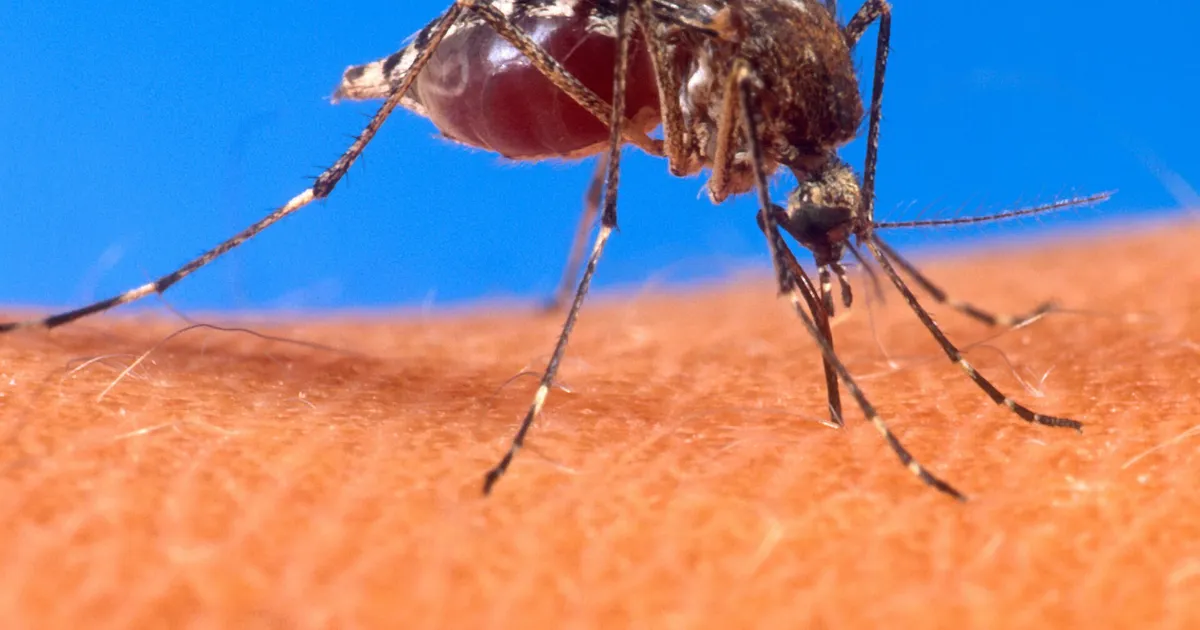
9 Best Mosquito Repellents 2026: Prevent Dengue This Rainy Season
9 top mosquito traps, sprays, nets and coils ranked by price and coverage, plus the free 5-step method to prevent dengue fever this rainy season 2026.

Air Purifiers 2026: How to Pick One That Actually Beats PM2.5
How to choose an air purifier for PM2.5: work out the CADR your room really needs, compare 9 models sold in Thailand, and see the true 3-year cost of filters and power.

10 Best Treadmills in Thailand 2026: Complete Buying Guide with Prices
Compare the 10 best treadmills in Thailand for 2026, from 7,990 THB to pro-grade — with real Continuous HP specs, belt sizes and picks for every budget.