Opening Doors for Blind Students Worldwide: Braille Challenge Sees Its Biggest-Ever Expansion in 2026, With Kenya Hosting Africa's First Regional Event

Good news for inclusive education — the Braille Challenge, the world's only braille literacy competition for blind and visually impaired students, has announced that its 2026 season is the biggest expansion in the program's history. More than 2,000 students competed, representing 37 U.S. states and six countries — Australia, Canada, Ireland, Kenya, the United Kingdom, and the United States — with Kenya becoming the first nation on the African continent to host a regional event.
Run by the U.S. nonprofit Braille Institute, which has organized the program for more than 25 years, the 2026 global finals will be held at the University of Southern California (USC) in Los Angeles in late June and livestreamed for audiences around the world.
A Competition That Makes "Reading With Your Fingertips" a Source of Pride
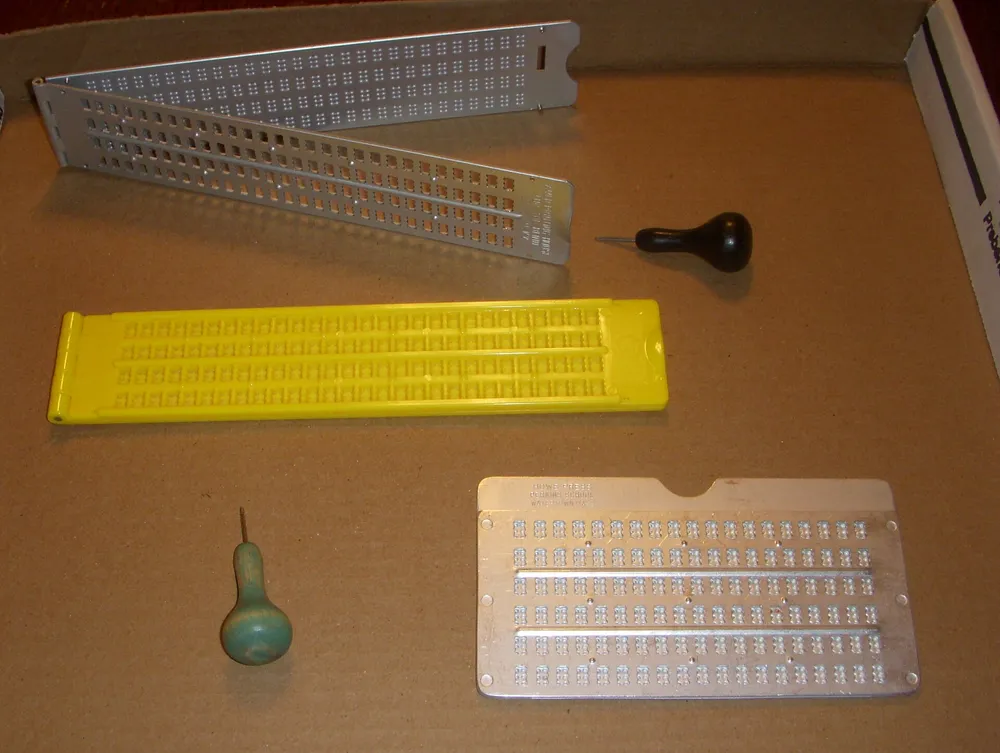 Illustrative: Slate and Stylus by Jeepday — Public domain (Wikimedia Commons)
The Braille Challenge is no ordinary contest — it's a stage where children who cannot see take pride in a skill they have worked hard to master. Students in grades 1 through 12 are assessed across five core braille skill areas: reading comprehension, spelling, speed and accuracy, proofreading, and interpreting tactile graphics.
Each year the competition begins with regional events held around the world, with the top scorers advancing to the finals. The 2026 season featured more than 70 regional competitions, supported by over 1,500 volunteers — a reminder that behind the headline numbers stands a vast community of teachers, parents and volunteers championing braille literacy together.
Across 25 years, the program has inspired and built the skills of more than 24,000 students worldwide.
Kenya: The First Regional Event in Africa
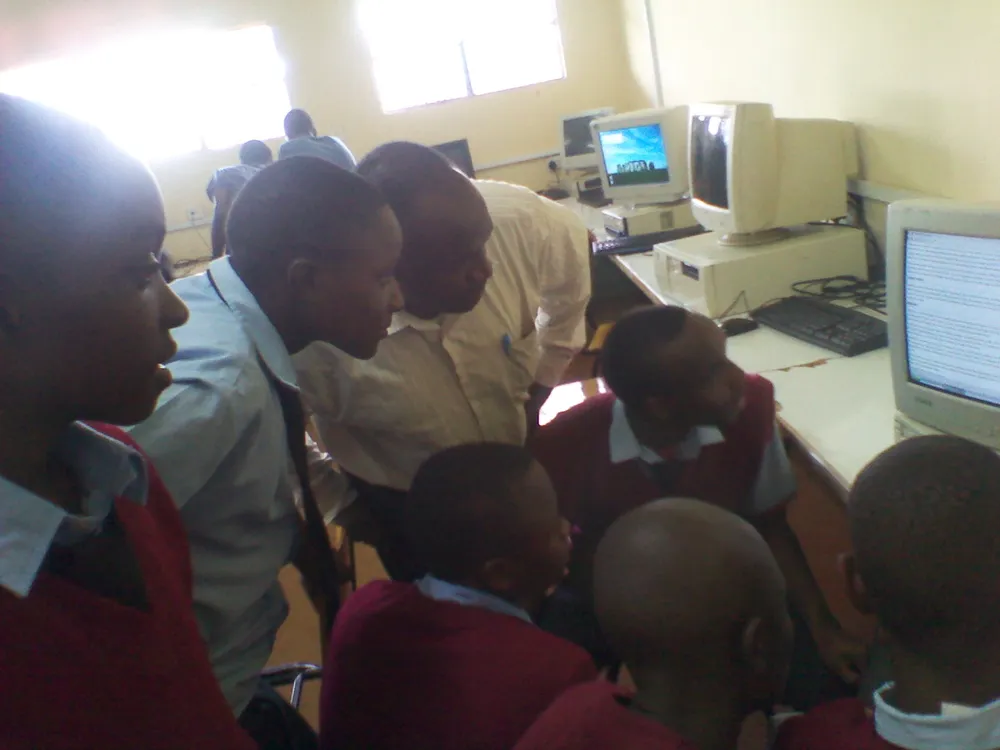 Illustrative: Students at Karima Boys High School, Kenya, by Stephen wanjau — CC BY-SA 3.0 (Wikimedia Commons)
The heart of this year's story is Kenya becoming the first country on the African continent to host a regional Braille Challenge — officially announced by the Braille Institute in early March 2026. Around 700 students from several schools took part, supported by more than 60 educators and around 100 volunteers.
The significance grows when you see the bigger picture in Kenya: a country with more than 670,000 children and young people with visual impairments, yet only a handful of schools for the blind — and just two that offer secondary education. Bringing a global stage to the region helps spark interest and elevate the importance of braille literacy among teachers, families and communities. For these children, it is a door genuinely being opened.
Why Braille Literacy Matters
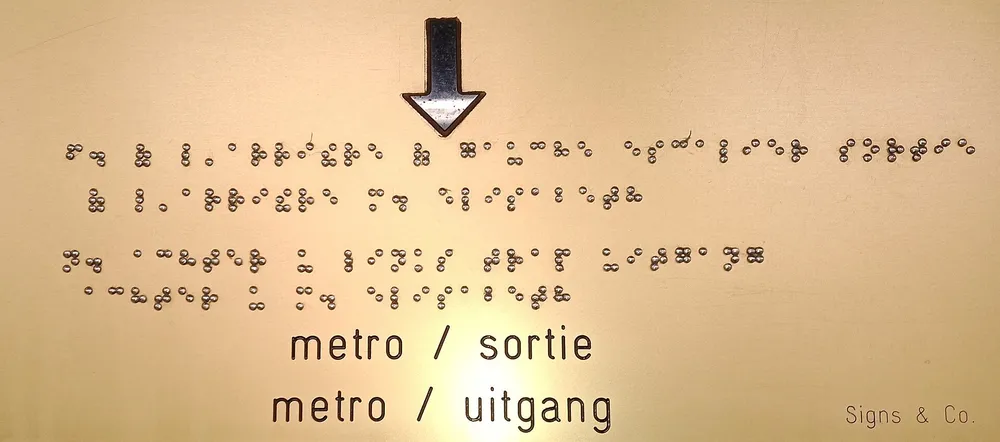 Illustrative: Bilingual braille sign by Jiròni B. — CC0 (Wikimedia Commons)
In an era of easy text-to-speech tools and voice assistants, some may wonder whether reading braille is still necessary. The answer is an emphatic yes. Organizations for the blind around the world agree: listening to audio helps with access to information, but it cannot replace reading for yourself through braille — the foundation of spelling, grammar, note-taking, mathematics and deep learning.
Rachel Antoine, Senior Director of International Programs at the Braille Institute, summed up its value:
"Braille literacy is a critical foundation for academic success, independence, and employment for people who are blind or visually impaired."
That is why braille skills connect directly to future opportunities in education and work — a child who reads braille fluently is a child with a far more level playing field alongside sighted peers.
What It Means for Readers in Thailand
This story from the other side of the world reflects an idea closer to home than it might seem: an education that "leaves no one behind," and an investment in every child's potential regardless of physical limitations. Thailand, too, has visually impaired students learning braille in dedicated schools for the blind and in inclusive classrooms nationwide.
The success of these children on a world stage shares a path with the determination of young people in education and innovation that we've reported before — such as Thai students winning medals at the Asian Physics Olympiad and Thai students using AI to screen for malaria and winning a global award. All of it underscores a simple truth: when children are given the right tools and the right opportunities, they shine.
What's Next
For this season, the high point is the finals at USC in late June 2026, bringing together the best young braille readers from around the world to compete — livestreamed so everyone can cheer them on.
Over the longer term, Kenya's entry and the expansion into new countries signal that this stage is growing from a single nation's contest into a genuinely global movement for braille literacy — one that connects, in spirit, to other global stories of health and medical progress that are about creating equal opportunity for everyone.
Key facts at a glance (as of June 19, 2026):
- 2026 season = the biggest expansion in Braille Challenge history
- More than 2,000 competitors from six countries (Australia, Canada, Ireland, Kenya, UK, US) and 37 U.S. states
- Kenya = the first regional event in Africa (announced March 2026), with around 700 students
- Over 25 years: more than 70 regional competitions and 24,000+ students reached
- Finals: USC, Los Angeles, late June 2026 (livestreamed worldwide)
Sources
- Braille Institute — 2026 Braille Challenge Finalists Announced
- Braille Institute — Expands Braille Challenge to Kenya, First Regional Competition in Africa
- PR Newswire — Braille Institute Expands Braille Challenge to Kenya
- The Star (Kenya) — Kenya to host Africa’s first international Braille literacy challenge
Frequently asked questions
- What is the Braille Challenge?
- The Braille Challenge is the world's only academic competition designed for students who are blind or visually impaired, in grades 1–12. Run by the Braille Institute for over 25 years, it tests five core braille literacy skills: reading comprehension, spelling, speed and accuracy, proofreading, and interpreting tactile graphics.
- Why does braille literacy still matter in the age of text-to-speech?
- Audio tools help with access to information, but reading braille directly remains the foundation of spelling, grammar, mathematics and deep learning. Research and organizations for the blind consistently find that fluent braille readers are far more likely to pursue further education and find employment.
- What role did Kenya play this year?
- In March 2026, Kenya became the first country on the African continent to host a regional Braille Challenge. Around 700 students from several schools took part, supported by dozens of educators and around 100 volunteers — a major milestone in a country with over 670,000 children with visual impairments but only a handful of schools for the blind.
- When are the finals, and how can people watch?
- The global finals take place in late June 2026 at the University of Southern California (USC) in Los Angeles, and are livestreamed worldwide.
Related news
 Thailand
Thai Students Win Gold at 2026 Asian Physics Olympiad, Take Host Flag for 2027
Thailand's eight students won one gold, one silver, two bronze and four honourable mentions at APhO 2026 in Busan, and will host the 2027 edition.
 World
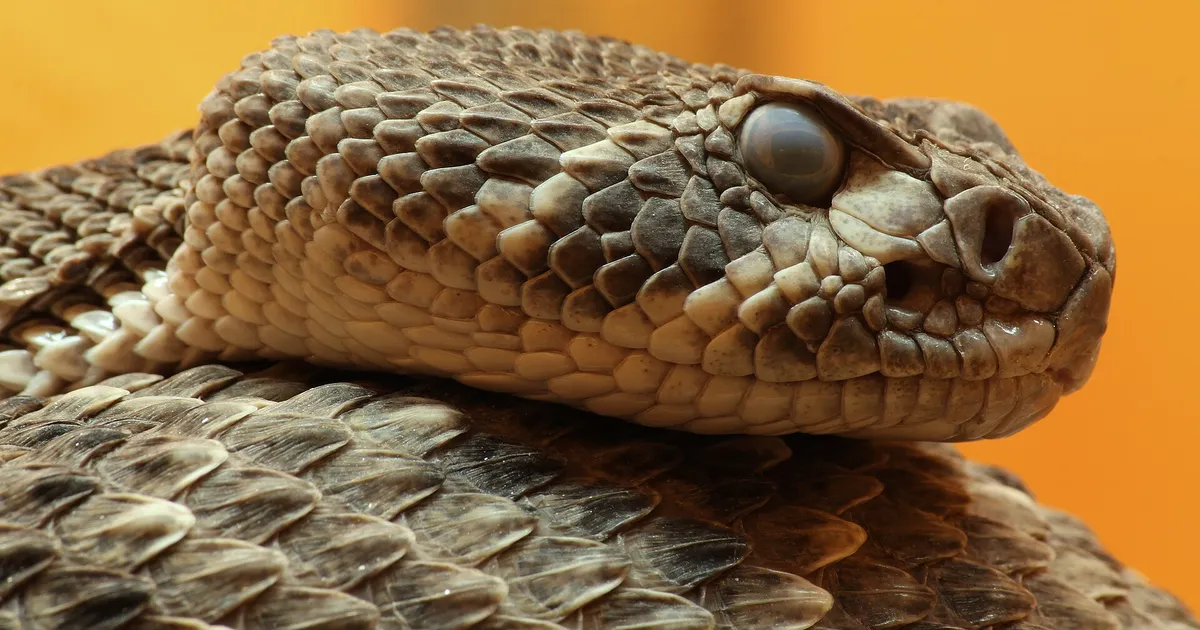
WorldRattlesnake Blood Yields Antivenom 10x Stronger Than Current Drugs
Proteins from rattlesnake blood, combined, neutralize venom 10x more potently than current antivenom in lab tests — a study with a Thai scientist on the team.
 World
WorldKākāpō Population Soars Past 300 for First Time in 75 Years
New Zealand's kākāpō, the world's heaviest parrot, reached 325 birds after a record 2026 breeding season added 90 chicks — up from just 51 birds in 1995.