ESA Data Reveals Earth's Core Reversed Flow Beneath Pacific in 2010
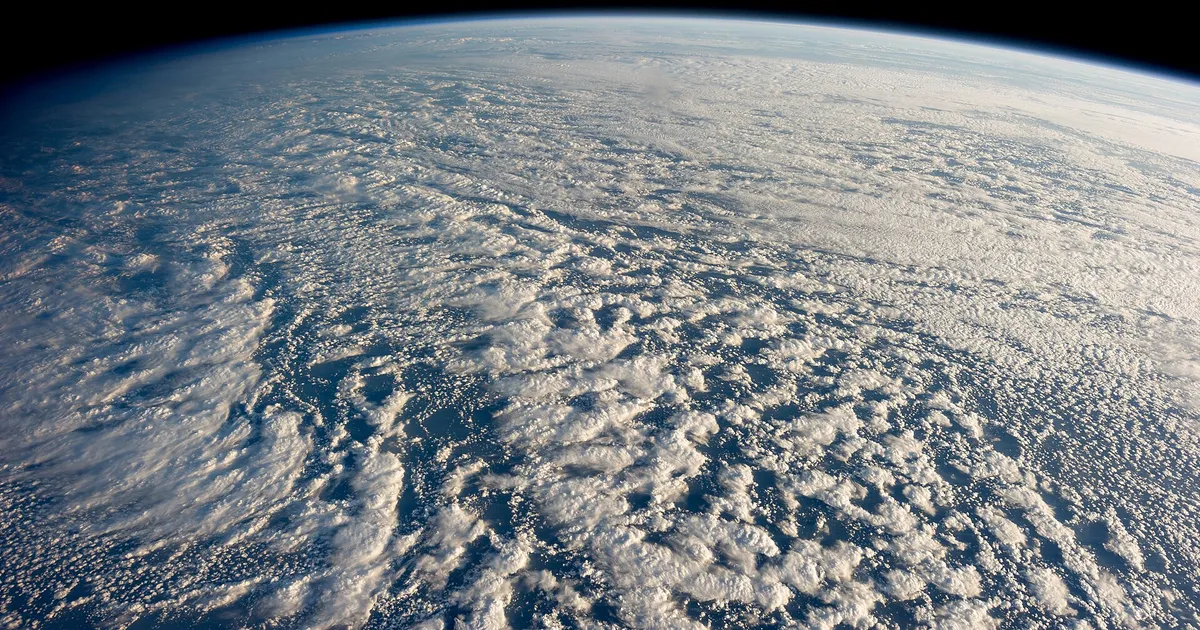
A new study analyzing satellite data from the European Space Agency (ESA) reveals that molten iron in Earth's outer core, beneath the equatorial Pacific Ocean, abruptly reversed direction in 2010 — switching from a weak westward flow to a strong eastward one. The finding challenges the long-held assumption that large-scale circulation in the outer core is relatively stable, since the shift happened within less than a decade.
The research was led by Frederik Dahl Madsen of the School of Geosciences at the University of Edinburgh, UK, and published in the Journal of Studies of Earth's Deep Interior. It has drawn wide attention this week after several international science outlets picked up the story.
What scientists found
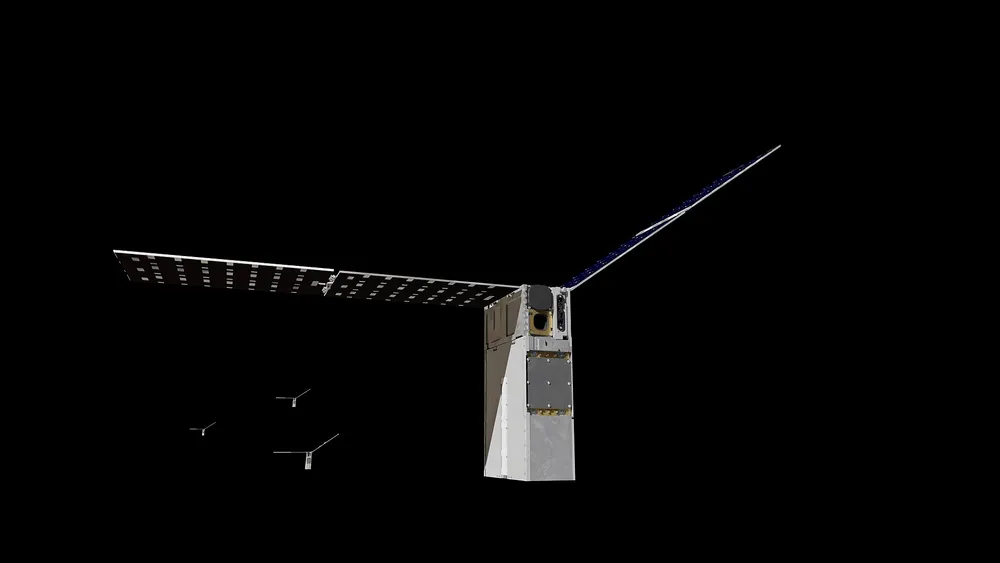 Illustrative: multiple small satellites in low Earth orbit (not the actual Swarm satellites — a generic illustration of satellite technology) — NASA Ames Research Center / NASA, Public domain via Wikimedia Commons
The team analyzed geomagnetic field data from both ground-based observatories and satellites, spanning 1997 to 2025. Because the electrically conducting molten iron in the outer core is what generates Earth's magnetic field, changes in that field measured at the surface let scientists reconstruct how material more than 2,200 kilometers below is moving.
What they found was that a broad region of iron-rich fluid beneath the equatorial Pacific, which had been drifting weakly westward, suddenly reversed to a strong eastward flow in 2010. Just as notable: the team's model shows that eastward flow has been weakening again since 2020.
Madsen said the finding "raises new questions about the behaviour of Earth's deep interior," and noted the reversal may be "contemporary with a change in behavior in the inner core" — suggesting the layers deep inside our planet could be more dynamically connected than previously understood.
Swarm: the satellites that made the invisible visible
The discovery would not have been possible without ESA's Swarm satellite constellation — three satellites launched in 2013, each carrying a highly sensitive magnetometer. By flying in carefully coordinated orbits, the three satellites can separate magnetic signals originating in the core from those produced by the crust, oceans, ionosphere, and magnetosphere — an essential step, since the core's signal is faint compared to everything else contributing to the field we measure at the surface.
The team supplemented Swarm with data from ESA's CryoSat mission, Germany's CHAMP satellite, and Denmark's Ørsted satellite, combined with ground-based magnetic observatories worldwide — together spanning almost three decades.
Anja Stromme, ESA's Swarm Mission Manager, said: "Swarm provides continuous global coverage over many years, allowing scientists to track how core dynamics evolve over time." Elisabetta Iorfida, the mission's scientist, added: "This study shows that regional changes can emerge rapidly — within just a decade."
Why it matters
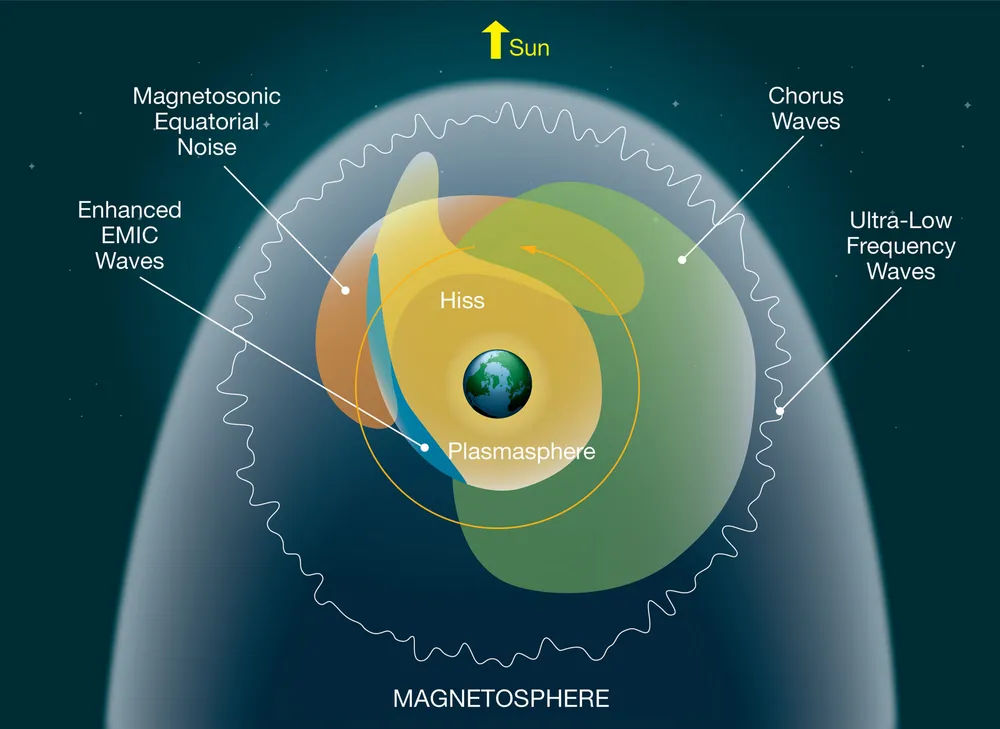 Diagram: Earth's magnetosphere — NASA's Goddard Space Flight Center/Mary Pat Hrybyk-Keith, Public domain via Wikimedia Commons
Earth's magnetic field does more than point a compass north — it's a shield against solar radiation and the solar wind. Understanding how the outer core circulates, and how quickly it can change, matters for forecasting the field's long-term evolution, which in turn affects satellite navigation systems, spacecraft operations, and space-weather models used to warn of solar-storm impacts.
Researchers are clear that this event poses no direct danger to climate or daily life on the surface — it's a process unfolding more than 2,200 km underground, not something detectable from where we stand. What makes it noteworthy within the scientific community is that it challenges the assumption that the outer core changes slowly and predictably.
What's still a mystery
Scientists still cannot explain what caused the reversal, nor whether it represents a one-time fluctuation, part of a cycle that repeats over some longer period, or the start of a new, stable pattern of circulation. Answering that is exactly what the research team plans to keep working on, as more satellite data accumulates year by year.
What comes next
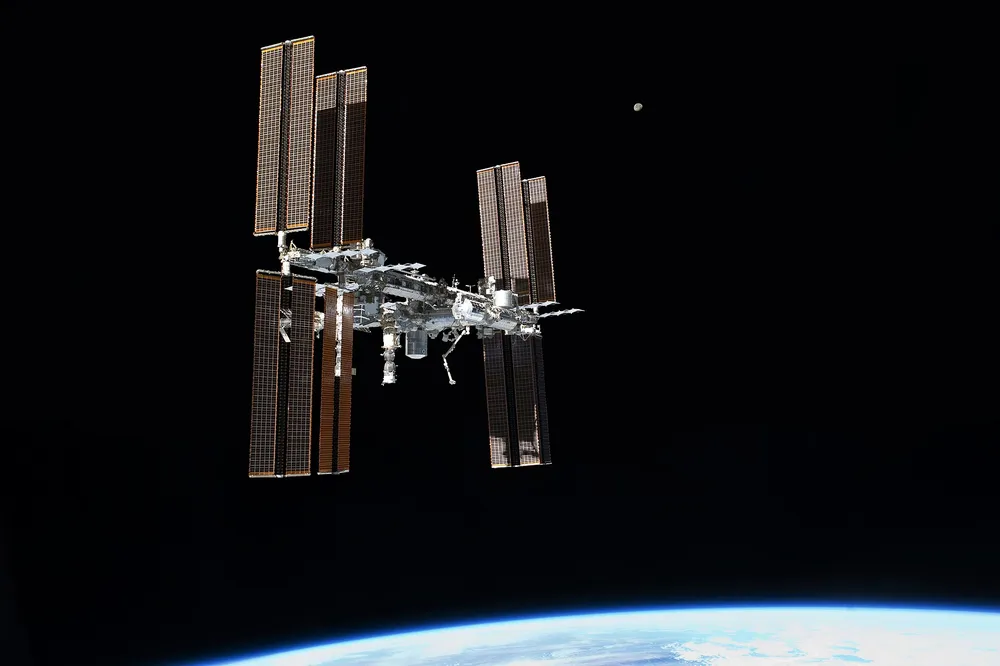 Photo: NASA — Public domain (Wikimedia Commons)
The team says it will keep tracking data from the still-operating Swarm satellites to see whether the weakening eastward flow — in decline since 2020 — swings back toward the west, which would be strong evidence of a repeating cycle. Studies like this show how modern satellite technology lets humans see deep inside our own planet without drilling a single centimeter — a field most people rarely hear about, yet one that shapes technologies we rely on every day.
Readers interested in other satellite and space-science stories can also see our coverage of China's Tianwen-2 mission studying Earth's quasi-moon and Thailand's first domestically built satellite, TSC-1.
Sources
Frequently asked questions
- Does this affect everyday life on the surface?
- No direct effect on weather or safety, researchers say. The change is happening more than 2,200 km underground, not something perceptible at the surface. But understanding outer-core circulation helps scientists forecast long-term changes in Earth's magnetic field, which matters for satellite navigation and spacecraft operations.
- What's the difference between the outer core and inner core?
- Earth's outer core is a roughly 2,200-km-thick layer of molten iron-nickel alloy; its flow generates the planet's magnetic field. The inner core lies deeper and is solid. This study detected the direction change in the outer core, and noted it may coincide with changes in the inner core too — though no explanation is confirmed yet.
Related news
 World
WorldNew Catalyst Makes Clean Hydrogen at Far Lower Temperatures, Turning Waste Heat Into Fuel
A University of Birmingham team developed a perovskite catalyst that splits water into hydrogen at just 150–500°C, opening the door to cheaper clean fuel.
 Thailand
Thailand Wins 3 Silver Medals at Biology Olympiad 2026 in Lithuania
Four Thai students won 3 silver medals and 1 honorable mention at the 2026 International Biology Olympiad in Vilnius, Lithuania.
 World
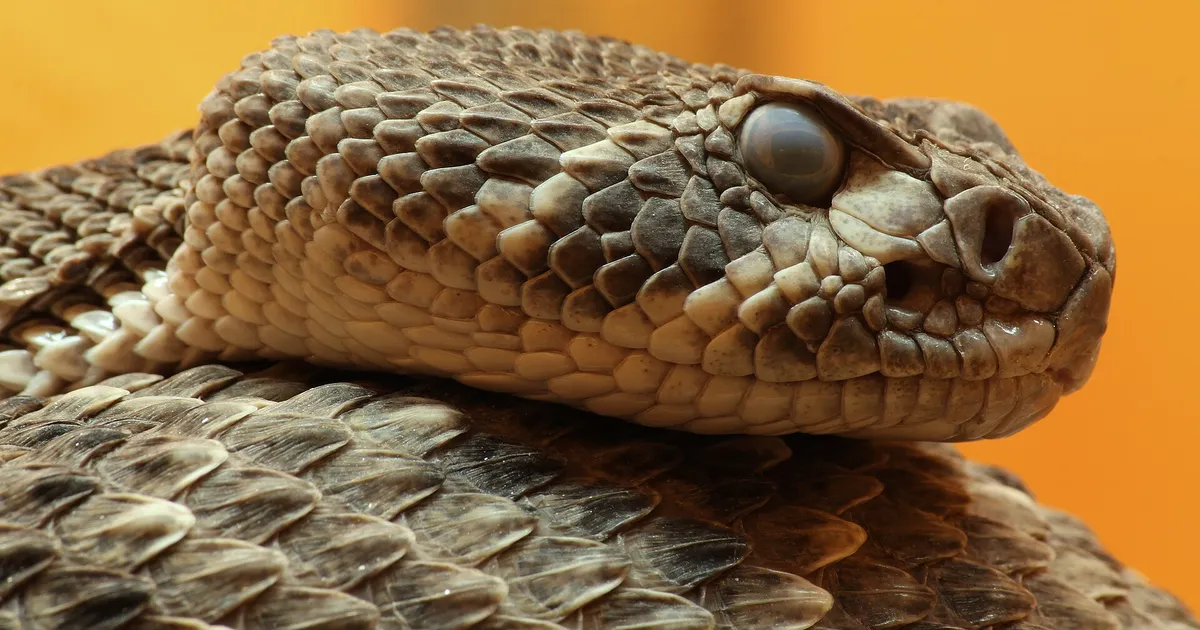
WorldRattlesnake Blood Yields Antivenom 10x Stronger Than Current Drugs
Proteins from rattlesnake blood, combined, neutralize venom 10x more potently than current antivenom in lab tests — a study with a Thai scientist on the team.