KAIST Spray Powder Stops Severe Bleeding in 1 Second — A Breakthrough for Emergency Medicine

Scientists at the Korea Advanced Institute of Science and Technology (KAIST) have unveiled a spray-on powder that could transform emergency medicine: AGCL, a blend of three natural materials that forms a blood-sealing gel on contact with a wound in approximately one second. Published in Advanced Functional Materials — a journal with an impact factor of 19 — the research has attracted global attention in the weeks since its release.
Why Rapid Hemorrhage Control Matters
Uncontrolled external bleeding is one of the most preventable causes of death in both military and civilian emergencies. A casualty with severe blood loss can die within minutes if treatment is not administered immediately.
Conventional hemostatic tools — bandages, gauze, hemostatic sponges, tourniquets — all have limitations, particularly for deep, irregular, or hard-to-reach wounds where direct pressure or a tourniquet cannot be applied effectively. AGCL powder was designed to close precisely that gap.
Three Natural Ingredients, One Remarkable Result
The name AGCL reflects its three core components, each sourced from nature and chosen for its specific biological role:
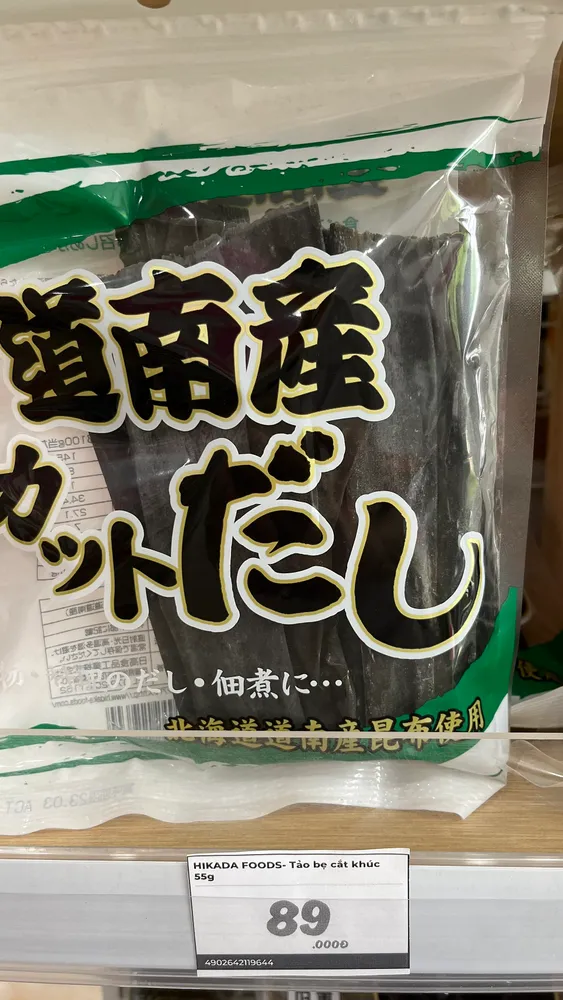
Alginate (derived from seaweed) serves as the primary gelling agent. When it contacts calcium ions in blood, it cross-links rapidly and solidifies into a stable three-dimensional matrix.
Gellan Gum (a polysaccharide produced by bacteria) reinforces the gel's structure and flexibility, enabling it to withstand pressures of up to 40 kilopascals — roughly equivalent to firm hand pressure on a wound.
Chitosan (extracted from crustacean and insect shells) carries a positive charge that attracts red blood cells and platelets, accelerating both chemical and biological clotting while also providing antibacterial properties.
Together, the three components produce a gel that conforms to complex wound geometry — including deep cavities and jagged lacerations — and holds firm against the pressure of active blood flow.
The Numbers Behind the Technology
Laboratory testing revealed a set of performance metrics that set AGCL apart from existing hemostatic agents:
| Property | Result |
|---|---|
| Time to stop bleeding | Approximately 1 second |
| Blood absorption capacity | Up to 725% (7.25×) of its own weight |
| Adhesive strength | Exceeds 40 kPa |
| Antibacterial efficacy | 99.9% |
| Cell viability (biocompatibility) | Above 99% |
| Shelf life (room temperature, high humidity) | 2 years |
Data as of the research publication date — human clinical trial results are pending.
The Soldier-Scientist Behind the Research
One of the most distinctive aspects of this project is the involvement of Kyusoon Park, an active-duty South Korean Army Major who simultaneously pursued a PhD at KAIST. His front-line perspective helped shape a product that goes beyond laboratory performance to meet the demands of real combat environments.
"The core of modern warfare is minimizing the loss of human life. I started this research with a sense of mission — to save even one more soldier." — Kyusoon Park, KAIST researcher
The study was led by Professor Steve Park (Department of Materials Science and Engineering) and Professor Sangyong Jon (Department of Biological Sciences) at KAIST, with the collaboration proving that cross-disciplinary and civil-military research can drive practical breakthroughs.
Who Stands to Benefit
If approved, AGCL powder could find its way into a wide range of settings:
- Military and security personnel who must manage traumatic wounds far from hospital facilities
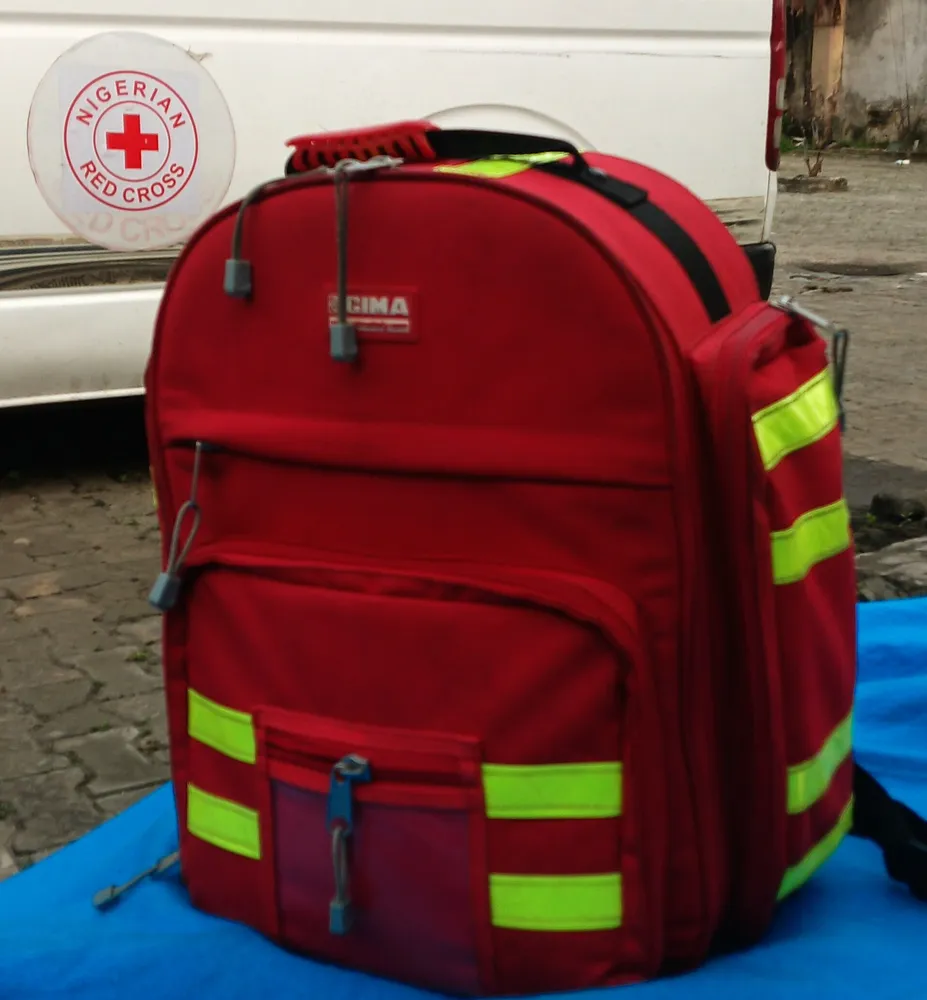
- Paramedics and EMTs who need a fast, easy-to-use bleeding control tool in pre-hospital care
- Emergency rooms and operating theatres for managing bleeding in surgically difficult locations
- Disaster zones and remote regions where cold chains and advanced medical supplies are unavailable
The technology's two-year shelf life at room temperature and high humidity is a critical practical advantage, allowing storage in first-aid kits, military packs, ambulances, and village clinics without the need for refrigeration infrastructure.
The Road from Lab to Real World
Despite its impressive lab results, AGCL must clear several more hurdles before it can be deployed in practice:
- Human clinical trials to confirm safety and efficacy in real physiological conditions
- Regulatory approval from bodies such as the US FDA or equivalent agencies in South Korea and other markets
- Industrial-scale manufacturing that maintains consistent product quality
The research team is optimistic that, if these steps are completed successfully, AGCL will not just save soldiers' lives on the battlefield — it will redefine first aid in hospitals, ambulances, and eventually home medicine cabinets around the world.
AGCL is the latest in a run of medical breakthroughs making headlines in 2026. An mRNA cancer vaccine for melanoma recently showed promising results, and AI-assisted tuberculosis screening is already being piloted in underserved communities — all pointing to a new era of faster, smarter medicine.
Sources
Frequently asked questions
- What is AGCL powder?
- AGCL is a hemostatic spray powder developed by KAIST in South Korea, made from three natural materials: Alginate, Gellan Gum, and Chitosan. When sprayed on a wound, it reacts with blood and forms a firm, adhesive gel in approximately one second.
- Is AGCL powder available to buy?
- Not yet. It is still in the research phase and must undergo clinical trials and regulatory approval before it can be commercially deployed.
Related news
 World
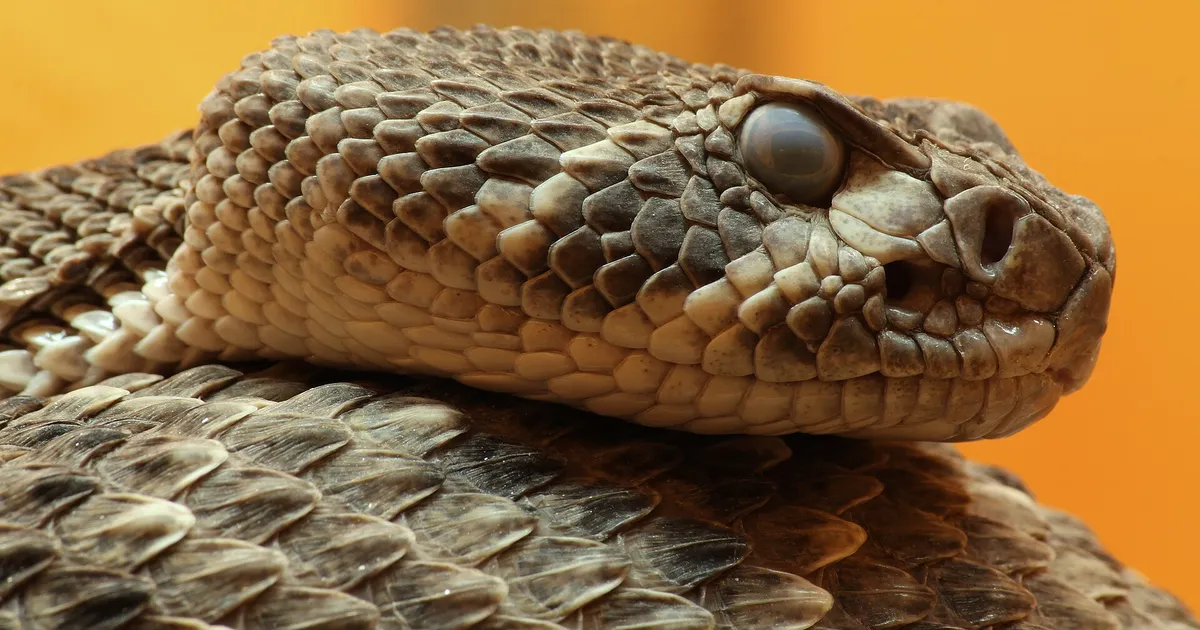
WorldRattlesnake Blood Yields Antivenom 10x Stronger Than Current Drugs
Proteins from rattlesnake blood, combined, neutralize venom 10x more potently than current antivenom in lab tests — a study with a Thai scientist on the team.
 World
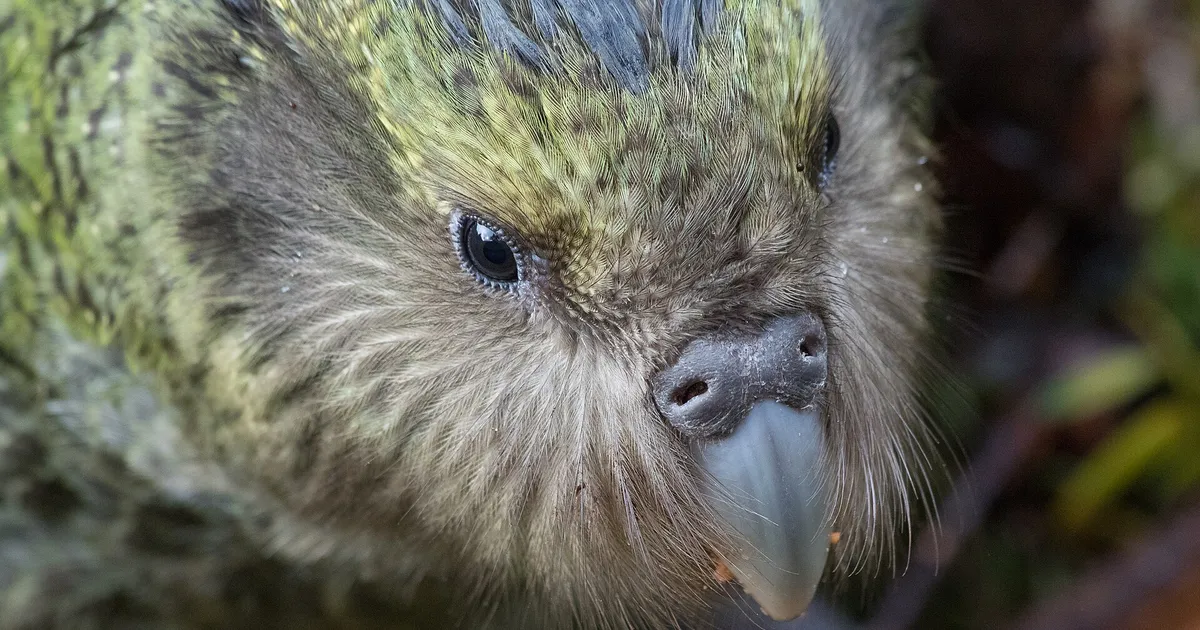
WorldKākāpō Population Soars Past 300 for First Time in 75 Years
New Zealand's kākāpō, the world's heaviest parrot, reached 325 birds after a record 2026 breeding season added 90 chicks — up from just 51 birds in 1995.
 World
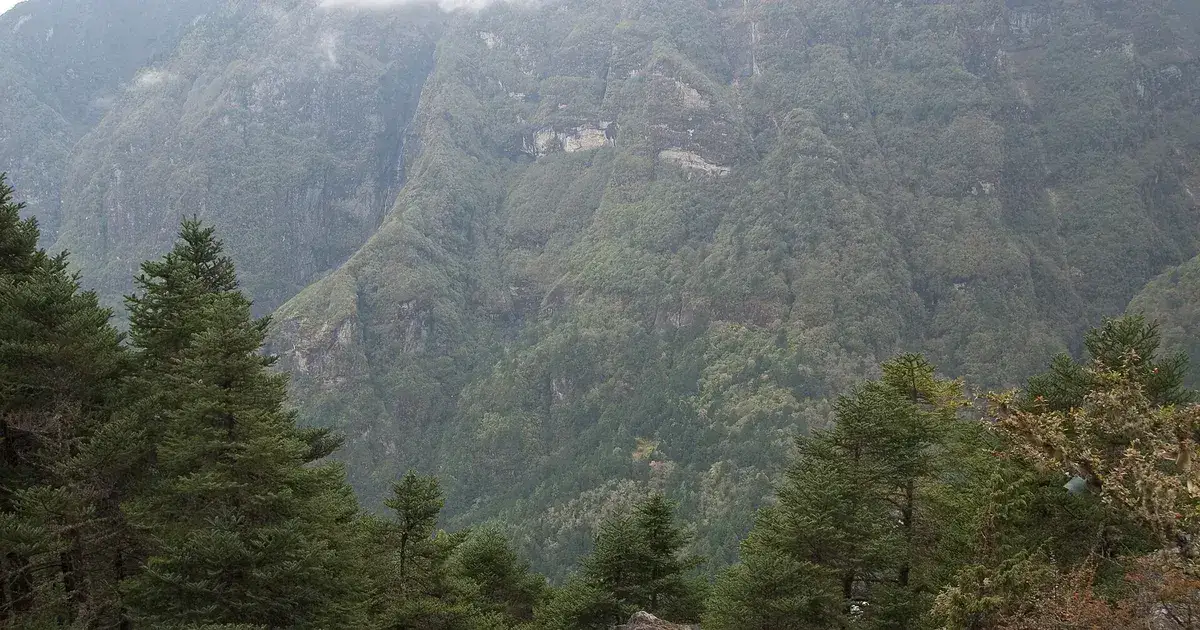
WorldHimalayan Glacier Collapse Floods Nepal-Tibet: A Warning Lesson
A glacier broke away at 5,200m and sent a wall of water into Nepal. Scientists say the technology to warn people already exists — the monitoring does not.