Doi Ang Khang 2026: Sakura, Mist, Costs, Route and Trip Plan
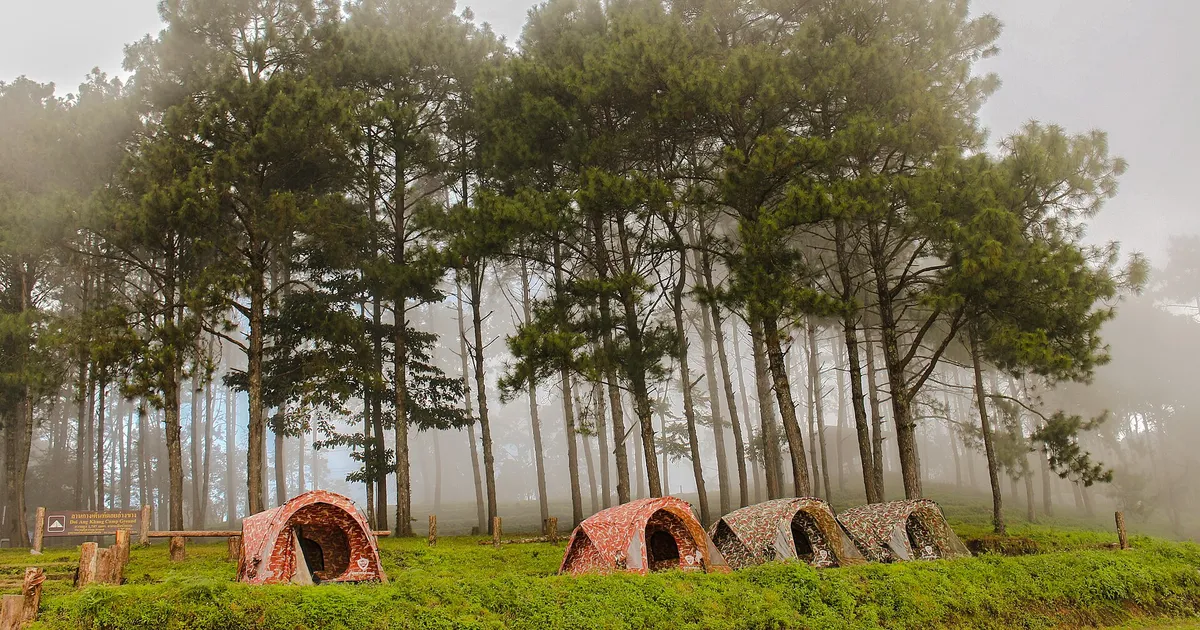
If one mountain has sakura, strawberries, cool-climate flowers, a Yunnan Chinese village and mist all in one place, it is Doi Ang Khang in Fang district, Chiang Mai. The trip is harder than social media suggests: a steep road, no public transport to the top, and sources that disagree on prices. This guide cross-checks several of them so you can plan routes, budget, stays and risks yourself. For other ideas see cool-season trips in Thailand 2026, and for the city side read the Chiang Mai travel guide.
What it is and where
Doi Ang Khang sits in Fang district on the Myanmar border at about 1,400 m. Most visitors go to the Ang Khang Royal Agricultural Station, founded in 1969 on the initiative of King Bhumibol Adulyadej to help hill-tribe farmers move away from opium and shifting cultivation toward temperate fruit, flowers and vegetables, and to restore watershed forest.
The surrounding villages include Shan, Yunnan Chinese (Haw), Lisu and Palong communities, which gives the area a character unlike other northern peaks, especially its Yunnan food and architecture. It is a border zone and part of Doi Pha Hom Pok National Park, so some areas are restricted; stay to open areas.
Best time to go
| Period | Conditions | Best for |
|---|---|---|
| Nov–Feb | Peak season, coolest air, flowers peak late Nov–early Feb | Everyone, but busiest |
| Jan–Mar | Strawberry picking may be possible near the entrance (per sources) | Fruit lovers |
| Mar–May | Hot and dry, fewer flowers, burning-season haze | Avoid if sensitive to smoke |
| Jun–Oct | Rainy season, slippery road | Green scenery, no rush |
Dry-season temperatures are typically 15–20 °C, and the coldest December–January nights can fall to near or below 5 °C according to travel guides. Flowers and mist depend on the year's weather and are never guaranteed. For late-season haze, see our PM2.5 mask guide. Long weekends fill rooms fast; check long weekends 2027 and /holidays.
Highlights
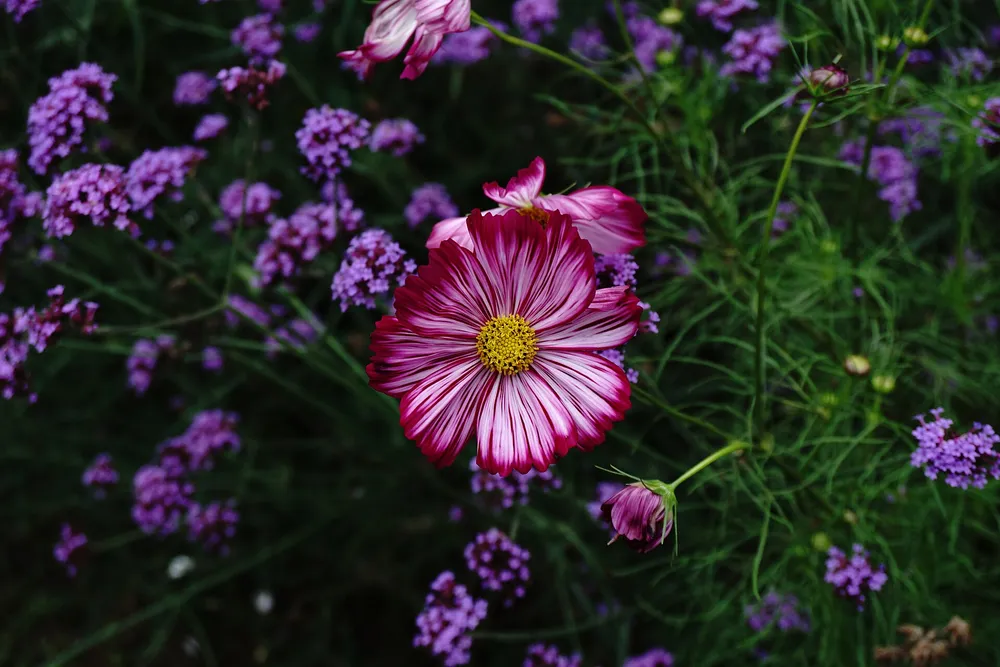
Photo: BCC105, CC BY-SA 4.0 via Wikimedia Commons
1) The Royal Agricultural Station
The core of the trip: research plots and gardens with roses, dahlias, salvias, carnations, asters and chrysanthemums, orchards of peaches, plums, kiwi and nectarines, vegetable beds, and a shop selling station produce. Flowers peak roughly December to February. Allow 4–6 hours to see it properly, and arrive at opening to beat tour groups and harsh light.
Entry in most sources is 50 baht per person plus 50 baht per car (one says 30 baht per person). Opening hours vary by source: about 08:00–17:00, up to 20:00, or 07:00–18:00 from November to March. Treat it as open daytime and phone 053-450107. Some garden zones may charge a camera fee.
2) The sakura
Ang Khang has more than 5,000 cherry trees, Japanese and Taiwanese varieties. Nation Thailand reports Japanese saplings were first trial-planted in 1997 by the Royal Project Foundation and Taiwanese stock added in 2008. Blossoms are fuller and a more vivid pink than Thailand's native wild Himalayan cherry. Reported spots: the "80 Garden" opposite the clubhouse, beside the English Rose Garden, and along the exit route near the vegetable germplasm greenhouses. A reporter found them in full bloom on 16 January 2026; timing moves with the cold each year.
3) Viewpoints and mist
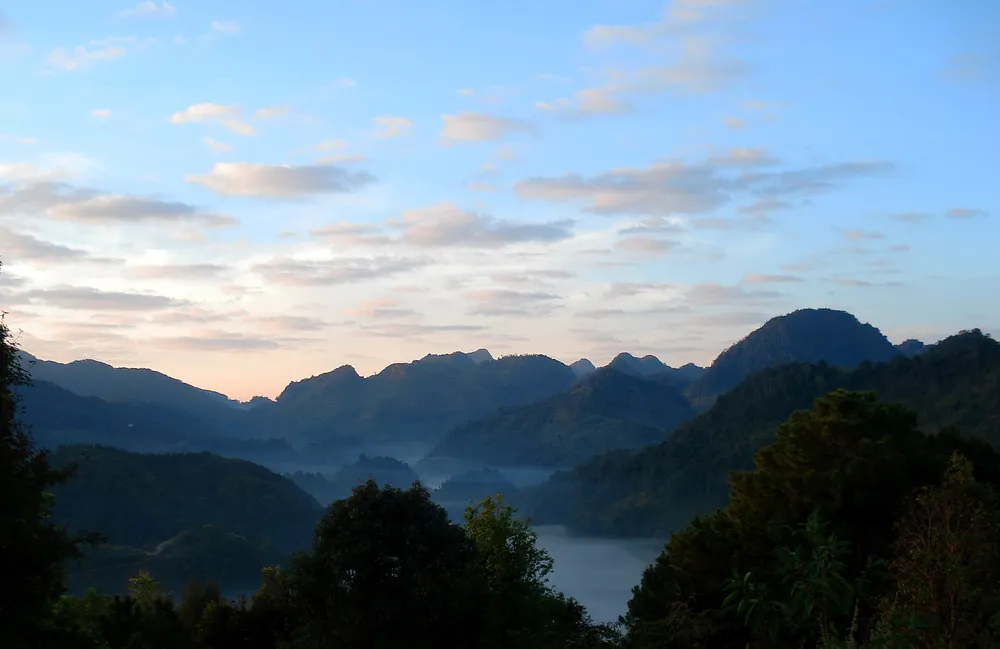
Photo: NorthThailander, CC BY-SA 4.0 via Wikimedia Commons
Ridgelines look into Myanmar, and mist fills the valleys on cold mornings. A travel blogger recommends Mon Son viewpoint, which faces east for sunrise; parking plus campsite is about 300 baht. Wake around 06:00. Mist is not guaranteed.
4) Ban Nor Lae and strawberries
A village at about 1,400 m known for strawberries; go early, before the first produce dispatch around 08:00. The Nor Lae shortcut road is steeper and rougher with a military checkpoint and one source does not recommend it to visitors. The eastern descent via Ban Luang is longer but smoother if you have daylight and a reliable vehicle.
5) Pong Arng hot spring and Sri Sangwan waterfall
Per the travel blog used here, the hot spring is open 08:00–18:00, 100 baht for foreigners (10 baht for Thais) plus 20–30 baht parking, and the ticket includes the three-tier Sri Sangwan waterfall (a loop of about 5 minutes). A good stop on the way down.
6) Yunnan villages, Arunothai and the tea farm
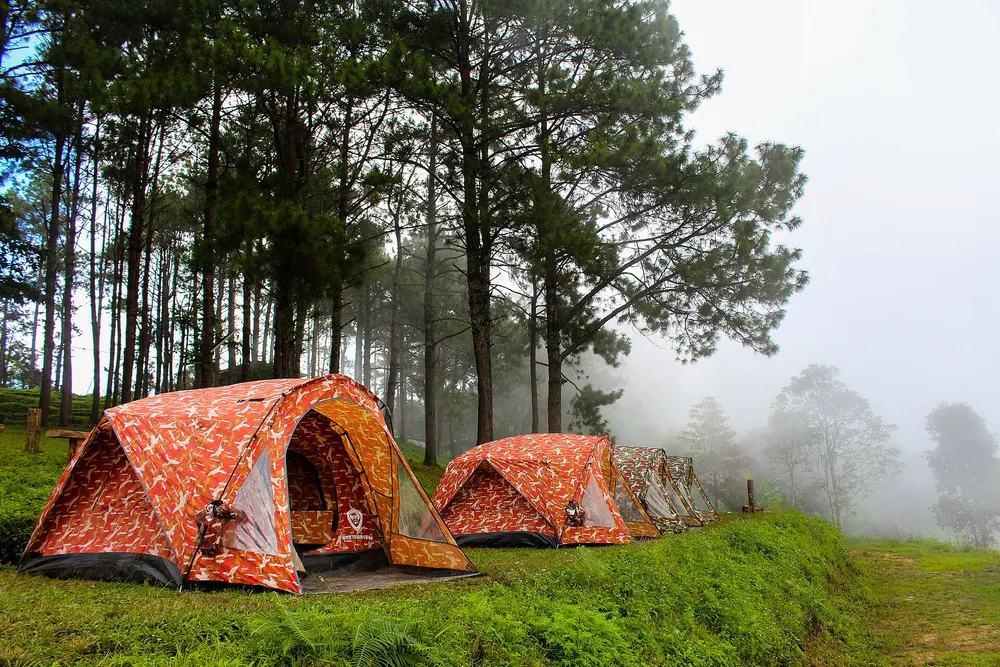
Photo: Ditsakul, CC BY-SA 3.0 via Wikimedia Commons
Arunothai was founded by former Chinese Nationalist soldiers and most residents have Yunnan roots. Noodles cost about 35–40 baht a bowl and dumpling sets 50–90 baht. Tea Plantation 2000 is free, open 08:00–16:00, with about 15 minutes of walking and a steep climb back. Yunnan hotpot restaurants price by size, roughly 1,200–1,700 baht for 5–10 people (blog prices; confirm with the restaurant).
Getting there
By car or scooter from Chiang Mai: about 150 km, 3–3.5 hours without stops. Take Highway 107 (Chiang Mai–Fang) through Chiang Dao (Chiang Dao Cave is roughly halfway), then turn onto Route 1249 for about 25 km up the mountain, or turn near Wat Hat Samran (km 137) per one source.
The climb: very steep with tight hairpins, some unlit stretches and inconsistent guardrails. Use low gear (D1/D2/L) up and down, honk before blind bends, and do not start late; fog forms fast in the afternoon. Scooters should be 150cc or more.
Without a vehicle: buses reach Fang or the Route 107 junction, but nothing public goes up. Charter a songthaew or van, or join a day tour. From Bangkok, flights to Chiang Mai start around 500 baht per the blog cited (seasonal), and buses take about 10 hours at 400–800 baht.
| Option | Approx. cost | Note |
|---|---|---|
| 150cc scooter | about 500 baht/day (200–250cc from 700) | Good for 1–2 people |
| Rental car | about 700–1,500 baht/day plus about 5,000 baht deposit | Thai/ASEAN licence or IDP needed |
| Charter / van / tour | negotiated / package | Comfortable, less freedom |
(Rental prices come from a travel blog and were true when written; confirm with the shop.)
Driving an EV? The climb is steep and far from town, so use the EV trip planner and charge fully before the mountain, as chargers up top are scarce.
Where to stay and eat
Information on lodging inside the station conflicts. One source says simple bungalows are bookable through the Royal Project Foundation and advises booking 6–8 weeks ahead for December–January. Another says the old resort inside was demolished in 2019 when the area joined the national park and no hotel replaced it. Phone the station before you book.
Options mentioned by sources:
- Campsites: Sui Thung charges 30 baht per person; a 3-person tent rental is about 300 baht with bedding (bring your own tent: 30 baht per person) and has a restaurant and café. Mon Son tent rental is about 300 baht, with hotpot and barbecue delivered to tents. Shared showers, and very cold.
- Resorts and homestays around the mountain: many tiers, full on long weekends; compare prices on booking platforms.
- Food: Yunnan noodle soup is the recommended breakfast, plus Yunnan dishes in the Chinese village, fresh produce at the station shop, and small cafés with coffee around 20–25 baht per the blog.
Budget
The travel blog costs a 3-day trip (2 nights camping, scooter rental) at about 3,458 baht per person: lodging about 618, food about 300, transport about 1,500 plus 500 fuel, and activities and fees about 540. That is the cheapest self-drive case; a family trip with a resort and Yunnan hotpot will cost several times more. Scale by nights and lodging.
Sample 2-day, 1-night plan
| Time | Day 1 | Day 2 |
|---|---|---|
| Morning | Leave Chiang Mai by 07:00, stop at Chiang Dao Cave | Wake about 06:00 for mist at Mon Son or a viewpoint |
| Midday | Royal Agricultural Station: gardens and sakura | Yunnan noodles; Ban Nor Lae or the morning market |
| Afternoon | Chinese villages, Arunothai, tea farm | Pong Arng hot spring and Sri Sangwan waterfall on the way down |
| Evening | Check in or pitch tents; wear warm layers | Back in Chiang Mai before dark |
Common mistakes
- Not checking bloom news. Flower and sakura calendars shift yearly; check Royal Project pages or phone.
- Starting the climb in late afternoon. Dark and fog arrive quickly.
- A too-small scooter. A 110cc with a passenger may struggle.
- No ID. It is a border area and checkpoints may ask.
- Underpacking for cold. Nights near 5 °C and shared campsite showers feel colder than expected.
- Relying on cards. Small shops and parking are often cash only.
Verdict
Doi Ang Khang suits anyone who likes cool weather, flowers, temperate fruit and Yunnan culture and can cope with a steep drive. We rate it 4.5/5. The downsides are difficult access, no public transport, conflicting fee and lodging information, and crowds on long weekends. For higher mist viewpoints compare Phu Chi Fa and Thailand's highest peak at Doi Inthanon.
Data compiled November 2026. Prices and hours change; confirm with the station before you travel.
Sources
- Nation Thailand — Admire genuine Japanese sakura in full bloom in Chiang Mai
- The Star — Chiang Mai puts on show of genuine Japanese sakura in full bloom
- Thai Holiday Guide — The Royal Agricultural Station Angkhang
- Nomado Travel — Doi Ang Khang Royal Agricultural Station
- BucketListly Blog — Doi Ang Khang things to do
Frequently asked questions
- When is the best time to visit Doi Ang Khang?
- November to February: cool air and the most flowers (roughly late November to early February). March–April is hot with crop-burning haze, and the rainy season makes the road slippery and access harder.
- How much is the entrance fee to the Royal Agricultural Station?
- Most sources say 50 baht per person plus 50 baht per car; one says 30 baht per person. Fees change, so carry small cash and ask at the gate.
- Can I visit without my own vehicle?
- Yes, but it is awkward. Public buses reach Fang or the junction on Route 107, but nothing public goes up the mountain. Charter a songthaew or van, join a day tour, or rent a scooter or car in Chiang Mai.
- Can I stay inside the station?
- Sources conflict. One says simple bungalows can be booked through the Royal Project Foundation; another says the old resort inside was demolished in 2019 when the area became part of a national park and nothing replaced it. Phone the station (053-450107) before booking. Resorts, homestays and campsites exist around the mountain.
- When does the sakura bloom at Ang Khang?
- A reporter found it in full bloom on 16 January 2026. It generally flowers around January but depends on how cold the season is, so check the Royal Project pages before you go.
- What should I pack?
- Warm layers and a windproof jacket (nights in December–January can approach 5 °C), ID or passport, small cash, a torch, and a full tank before the climb.
Related articles
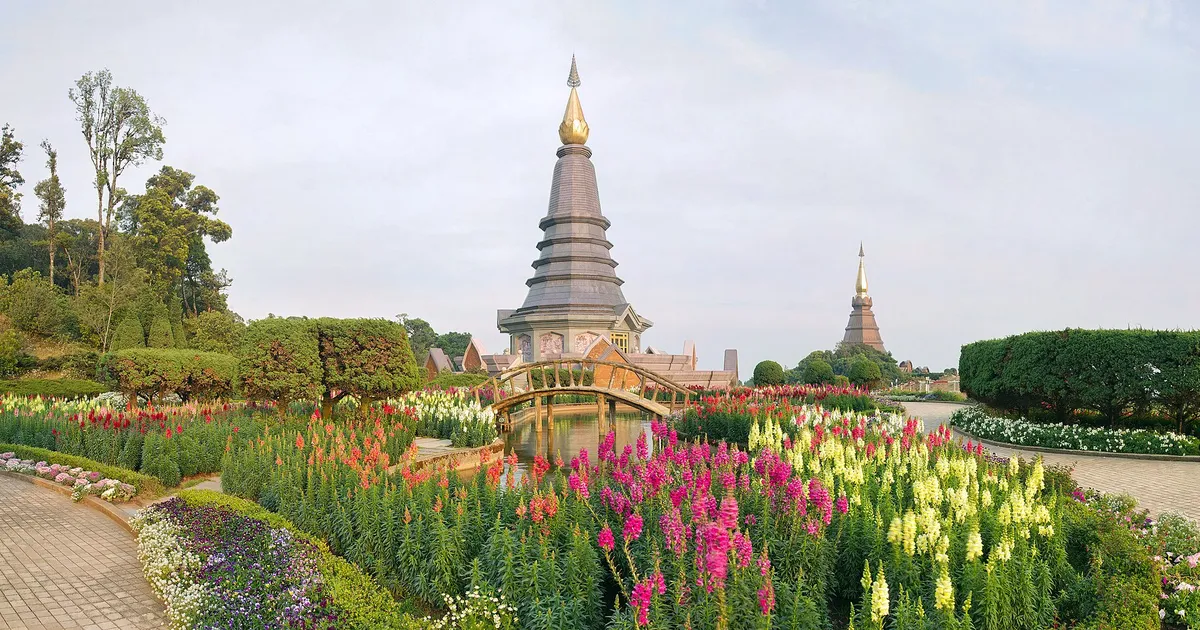
Doi Inthanon 2026 — Fees, Kew Mae Pan, Twin Pagodas, One-Day Plan
A cool-season guide to Doi Inthanon: park fees, the twin pagodas, Kew Mae Pan trail, Wachirathan Falls, opening hours, transport from Chiang Mai and tips.
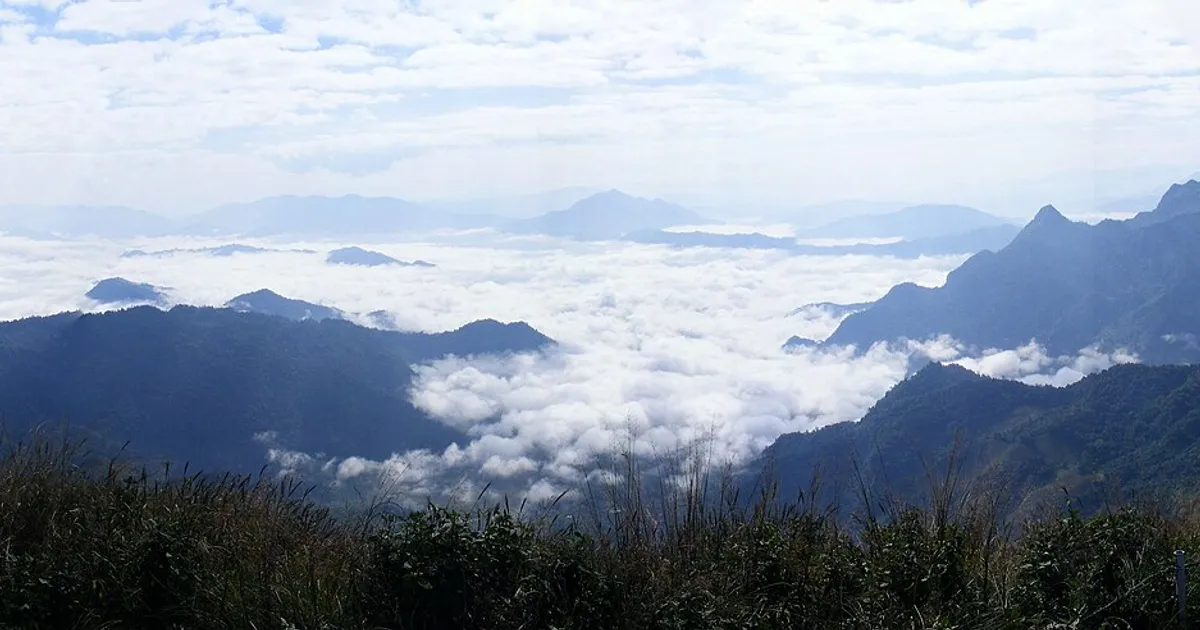
Phu Chi Fa, Chiang Rai 2026: Sea of Mist, Costs, Route and Trip Plan
Phu Chi Fa travel guide for 2026: best months for the sea of mist, driving routes from Chiang Rai, costs, the walk to the viewpoint, stays and border safety.
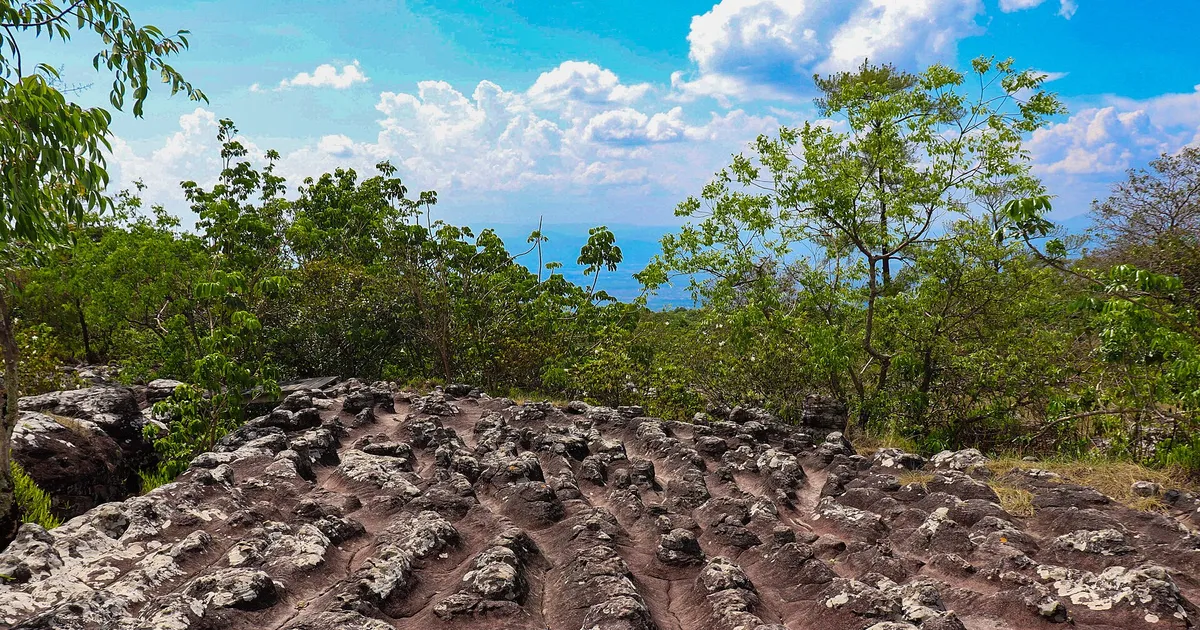
Phu Hin Rong Kla & Phitsanulok 2026: Lan Hin Pum, Pha Chu Thong
Phu Hin Rong Kla and Phitsanulok travel guide 2026: Lan Hin Pum, Pha Chu Thong, CPT history, fees, lodges, getting there, Thung Salaeng Luang and a 3-day plan.