How to Save Fuel in Thailand 2026: Real Tips as Gas Prices Rise
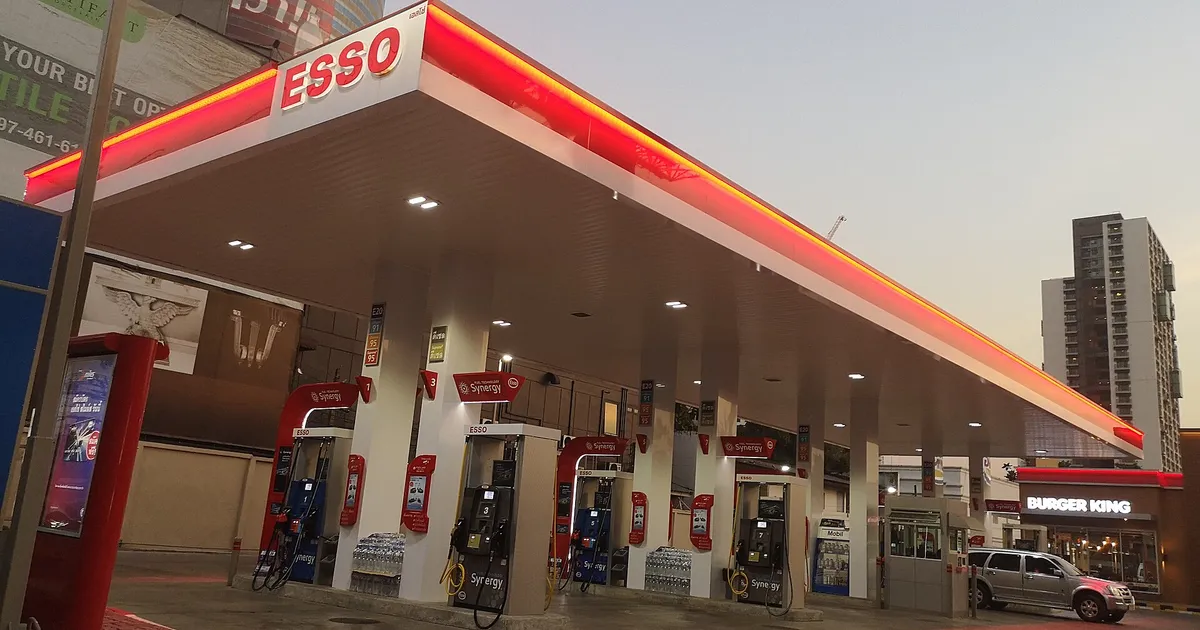
At 5 a.m. on September 2, 2026, fuel prices in Thailand went up again — gasoline and gasohol rose 60 satang and diesel rose 75 satang per liter. Seeing the headline, many people assume "fuel just got a lot more expensive," but once you actually run the numbers, the real extra cost per month is smaller than most people fear. What genuinely drains your wallet is driving behavior, far more than the price increase itself. This guide covers it all: how much the price hike really costs you, fuel-saving techniques backed by real measured percentages, and whether switching to an EV is worth it right now.
How much did fuel prices actually rise (latest numbers)
PTT and Bangchak raised retail fuel prices across the board, except for some premium grades which were held unchanged, effective 5 a.m. on September 2, 2026:
- Gasoline/gasohol group rose 0.60 THB/liter
- Diesel group rose 0.75 THB/liter
Latest retail prices as of September 3, 2026 (Bangkok, PTT/Bangchak) after the increase:
| Fuel type | Current price (THB/liter) | Price before the increase (approx.) |
|---|---|---|
| Gasohol 95 | 38.29 | 37.69 |
| Gasohol 91 | 37.92 | 37.32 |
| Gasohol E20 | 33.29 | 32.69 |
| Gasohol E85 | 29.23 | 28.63 |
| Standard diesel (B7) | 39.14 | 38.39 |
| Diesel B20 | 34.14 | 33.39 |
Gasoline 95 (ethanol-free), which is much pricier than the gasohol grades, sits around 47 THB/liter — at some stations it's classed as a premium fuel that wasn't adjusted this round. All figures are Bangkok-area retail prices; upcountry prices can run slightly higher due to transport costs.
Check the latest price anytime: fuel prices change almost daily with the global market. For a live, real-time check (including tomorrow's price once announced), use our free today's oil price tool, which pulls PTT and Bangchak data together and compares both brands in one table.
Why did fuel prices rise this time
Thailand's retail fuel prices track global crude oil prices and refining margins, plus excise tax, municipal tax, and contributions to the Oil Fuel Fund. This round's increase is driven mainly by rising Middle East tension between the US and Iran, which raised market concern over crude oil supply and pushed global crude prices higher through late August into early September 2026. When crude prices rise, Thai fuel traders adjust retail prices to preserve their marketing margin (the per-liter amount they actually earn, which is regulated by the Energy Policy and Planning Office).
Worth knowing: the Oil Fuel Fund smooths out short-term volatility so prices don't swing too wildly. But if crude prices keep climbing for a sustained period, the fund can't absorb it forever — domestic retail prices eventually move with the direction of the global market. A factor that's often overlooked is the THB exchange rate: Thailand imports almost all of its crude oil, priced in US dollars, so if the baht weakens at the same time global crude rises, the converted cost stacks up on two fronts at once. A stronger baht, conversely, cushions the impact somewhat.
How to check your own car's real fuel efficiency
The "km/liter" figure a manufacturer advertises is usually measured under ideal lab conditions with the smoothest possible driving. Real-world mileage typically comes in 10–20% lower because of traffic, air conditioning, and everyday driving habits. Checking your own car's real efficiency is simple:
- Fill the tank completely full and note your current odometer (ODO) reading.
- Drive normally until the tank is close to empty (no need to run it fully dry).
- Fill up completely full again, ideally at the same pump, and note the liters added plus the current odometer reading.
- Calculate: (second ODO reading − first ODO reading) ÷ liters added the second time = your real km/liter.
Repeat this 2–3 times and average the results, since traffic and driving style vary each time. Once you know your real efficiency, you can work out the actual impact of a price increase — or judge whether switching cars is worth it — far more accurately than guessing or trusting the advertised figure.
How much does the increase actually cost you
This is the question that matters most: what does 0.60–0.75 THB per liter actually translate to in real money per month? The answer depends on how far you drive and your car's fuel efficiency. Here's a worked example for a typical sedan (gasohol, ~12 km/liter) and a diesel pickup (~10 km/liter):
| Distance/month | Gasohol 95 sedan (12 km/l) | Diesel pickup (10 km/l) |
|---|---|---|
| 800 km (light city driving) | +40 THB/month | +60 THB/month |
| 1,500 km (typical average driver) | +75 THB/month | +113 THB/month |
| 3,000 km (heavy use, e.g. delivery driving) | +150 THB/month | +225 THB/month |
Notice that a typical driver covering around 1,500 km/month only pays a low three-digit amount more per month from this round of price increases — nowhere near as painful as the headlines make it sound. On the flip side, wasteful driving habits can cost you several times more than the price increase itself, which is exactly why the techniques in the next section are worth taking seriously.
Put on an annual basis for perspective: a driver paying 75 THB/month more from this round loses roughly 900 THB per year if prices never come back down. That's manageable for most individual drivers, but for businesses that depend on a vehicle to earn a living — food delivery riders, taxi/ride-hailing drivers, or transport companies running multiple vehicles — the impact multiplies with every vehicle and every kilometer driven per day, turning into a real cost that has to be actively managed. That's exactly why the fuel-saving techniques below matter even more for this group, since the monthly total runs several times higher than for a typical driver.
Fuel-saving techniques that actually work (with cited percentages)
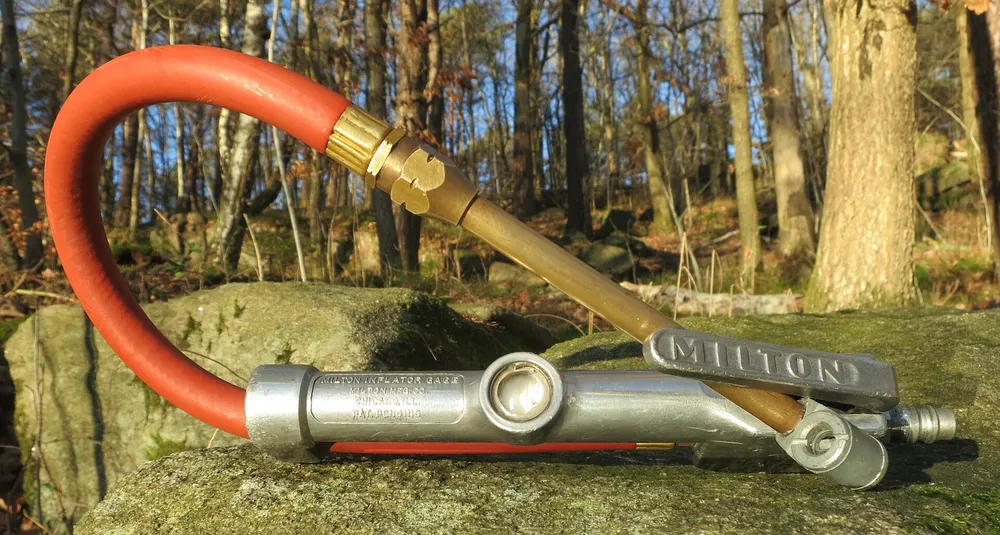 Photo: R. Henrik Nilsson — CC BY 4.0 (Wikimedia Commons)
Here are techniques backed by real measured data, ranked from biggest saving to smallest — not just things that "feel like" they should help:
- Drive smoothly — no sudden acceleration or braking — saves up to 40%. This is the single biggest lever of them all. Ease onto the accelerator to build speed gradually, and when you see a red light ahead, ease off early and let the car coast in instead of accelerating then braking hard.
- Keep speed at 80–90 km/h — saves 10–15% compared with driving at 100+ km/h, because aerodynamic drag rises non-linearly with speed — the faster you go past a certain point, the faster drag increases relative to your speed gain.
- Check tire pressure regularly. Every 1 psi below the standard pressure increases fuel consumption by about 2%, because rolling resistance against the road rises. Check pressure at least monthly while the tires are cold (before driving) — the correct figure is on the sticker inside the driver's door frame, not the number printed on the tire's sidewall.
- Keep the air filter clean — saves up to 10%. Clean or replace it every 2–4 weeks, or every 2,500 km. A clogged filter starves the engine of air, so the fuel injection system compensates by injecting more fuel to maintain the correct air-fuel ratio.
- Cut unnecessary weight. Just 10 kg of extra cargo over a 25 km trip adds about 40cc of extra fuel use, and a roof rack — even an empty one — adds enough drag to increase fuel consumption by an average of 5%. Remove it when not in use.
- Plan your route to avoid traffic. A single half-hour of congestion can waste up to 750cc of fuel from repeated idling. Check a navigation app for traffic conditions before you leave (see the next section on free motorways that help with this directly).
- Don't idle longer than necessary. Leaving the engine running while parked for 5 minutes wastes roughly 100cc of fuel for nothing — going nowhere. If you'll be waiting more than a minute somewhere safe, it's more efficient to switch off and restart when you're ready to go.
- Be smarter about air conditioning. Blasting the AC and stereo together right at startup increases fuel use by about 10% during that period. Crack the windows for a minute or two to vent trapped heat first, then switch on the AC, and turn it off 2–3 minutes before arriving (residual cold air still blows out) — small savings that add up over time.
- Change engine oil on schedule (typically every 6 months or per your manual). Old, thickened oil forces the engine to work harder to turn its internal components.
- Use the fuel grade your manual specifies — there's no need to fill with a higher grade than required to "save more fuel" (see "Which fuel grade suits your car" below for why).
Combining these driving habits with regular maintenance — air filter, engine oil, and correct tire condition — saves far more than driving technique alone. See the full maintenance interval table in Car Maintenance + Engine Oil Changes 2026, and how to check tire pressure and condition properly in Car Tyre Guide 2026.
Avoid traffic, save fuel and time
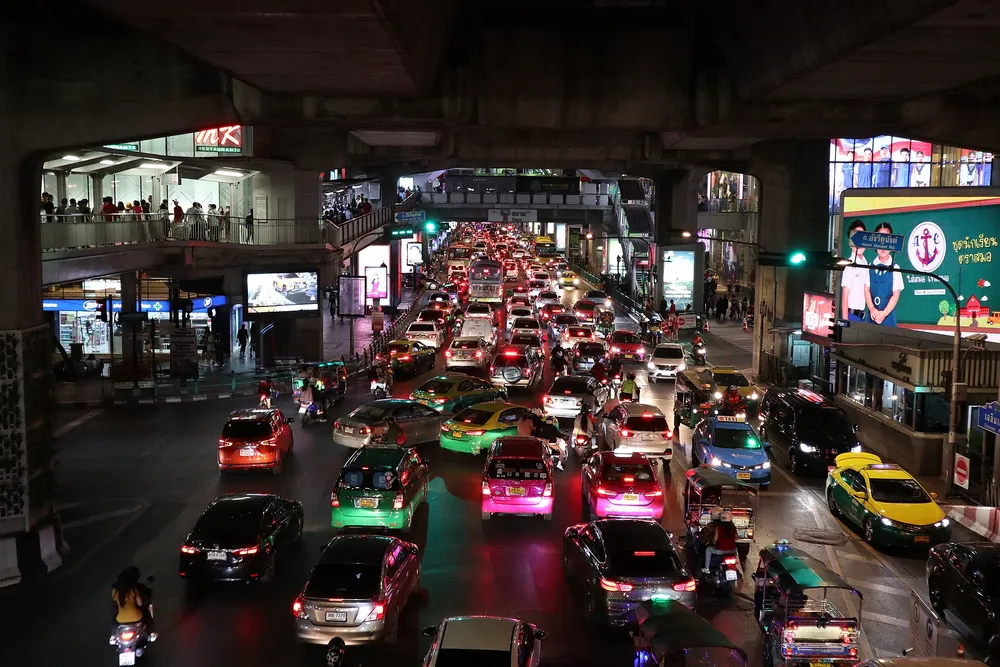 Photo: TomaszSwatowski — CC BY-SA 4.0 (Wikimedia Commons)
As mentioned above, a single half-hour of traffic congestion can waste up to 750cc of fuel from repeated idling while going nowhere. There's a new, direct way around this: the Department of Highways just opened two new motorways for free temporary use — M6 Bang Pa-in–Pak Chong (the gateway to Khao Yai and the lower Isaan region, free Friday through Sunday only) and M82 Bang Khun Thian–Ban Phaeo (the classic bypass for Rama II Road, free 24 hours a day, every day). Both are elevated highways fully separated from the surface roads below — no traffic lights, no U-turns — which cuts both travel time and the repeated idling that traffic jams cause. Read the full schedule, conditions, and entry/exit points in Free Motorways M6-M82 2026.
Beyond using a motorway or expressway, checking traffic conditions on a navigation app before you leave and timing your trip to avoid rush hour (7:00–9:00 a.m. and 4:30–7:30 p.m. in Bangkok) genuinely saves both fuel and time together.
Motorcycles can save fuel too
Most people in Thailand ride a motorcycle as their main vehicle, and the same fuel-saving principles apply — just with different numbers. A typical family/automatic scooter gets roughly 20–35 km/liter, while models designed specifically for efficiency can reach 45–50+ km/liter, depending on the model, engine condition, and riding style.
- Ride at a steady 50–60 km/h — the most efficient range for a typical scooter; faster than that, aerodynamic drag increases quickly.
- Twist the throttle smoothly, never suddenly — same principle as a car, this reduces the waste from sudden high-rev acceleration.
- Check tire pressure and replace the air filter on schedule — same as a car, with a roughly proportional impact.
Interestingly, thanks to much lower fuel consumption than a car, this round's price increase barely affects motorcycle riders at all. Example: riding 600 km/month at 40 km/liter uses only 15 liters, so the 0.60 THB/liter increase adds just ~9 THB per month.
Which fuel grade suits your car
Every car is designed to use a specific fuel grade (octane rating), clearly stated in the owner's manual — usually also printed inside the fuel filler flap:
| Fuel grade | Octane/ethanol content | Suited for |
|---|---|---|
| Gasohol 91 | E10, octane 91 | Older models/general engines specifying octane 91 |
| Gasohol 95 | E10, octane 95 | Most current cars, general engines specifying octane 95 |
| Gasohol E20 | E20, octane 95 | Cars rated for higher ethanol content (check your sticker or manual) — cheaper than E10 |
| Gasohol E85 | E85, octane 95 | Flex Fuel vehicles rated for 85% ethanol only |
| Gasoline 95 (ethanol-free) | Octane 95 | Some high-performance models whose maker specifically prohibits ethanol-blended fuel |
| Standard diesel / B20 | — | Diesel vehicles, per the biodiesel blend ratio your manual supports |
Common misconception: filling with a higher grade than your manual specifies (for example, a car rated for gasohol 91 filled with 95, or ethanol-free gasoline 95) does not make the car meaningfully more powerful or more fuel-efficient. An engine designed for one octane rating gains nothing from a higher one — you simply pay more for no benefit. Conversely, using a grade lower than specified can cause engine knocking and long-term damage — sticking to what the manual states is always the best value.
Common mistakes to avoid
- Warming up the engine for too long before driving — modern fuel-injected cars (2000s onward) don't need more than about 30 seconds of warm-up before driving off. Long idling warm-ups just waste fuel without actually extending engine life the way many people assume.
- Leaving tires underinflated for a long time because "it doesn't seem to matter much" — in reality, every 1 psi below standard adds about 2% more fuel use. If tires run 4–5 psi low (common after months without a check), that can add up to 8–10% more fuel consumption.
- Carrying unnecessary heavy items in the car — tools, water containers, items you rarely use. The heavier the car, the more fuel it burns, especially when accelerating.
- Not removing the roof rack when not in use — it adds continuous aerodynamic drag on every drive, even with nothing loaded on it.
- Speeding to "save time" — this usually burns more fuel than the time it saves, and raises accident risk, especially on motorways with clearly posted speed limits.
- Not using cruise control on long trips when the car has it — a driver's foot tends to unconsciously ease on and off the accelerator the whole way, while cruise control holds a much steadier speed. Best suited to highways and motorways with light traffic and no need for frequent speed changes.
Is it time to switch to EV? Comparing cost per kilometer
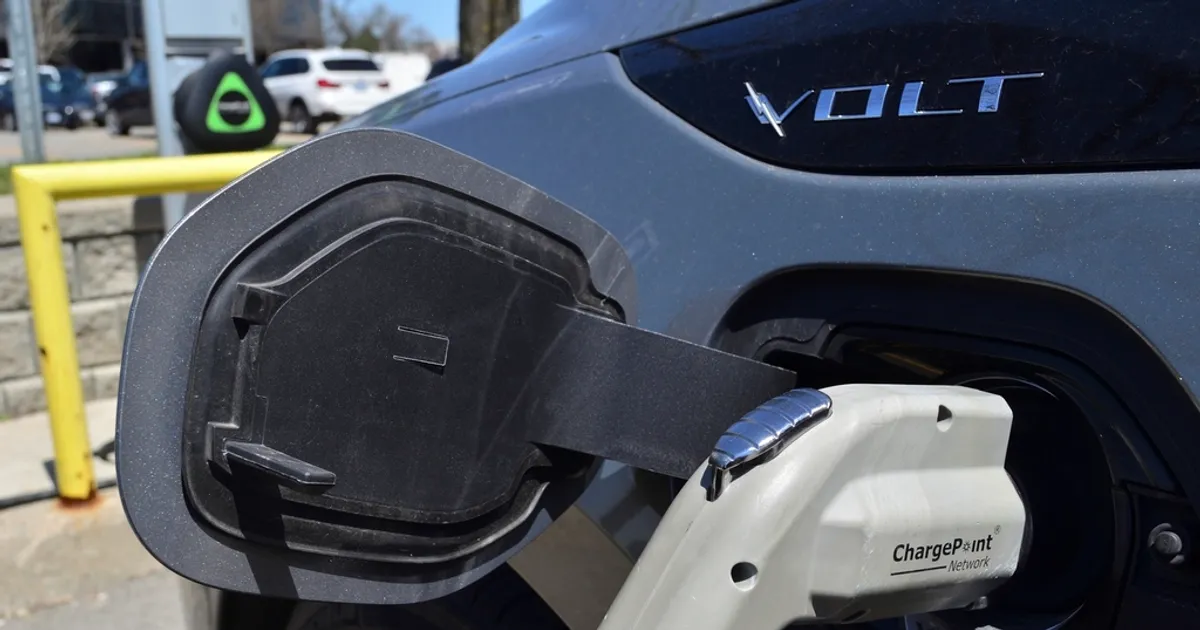
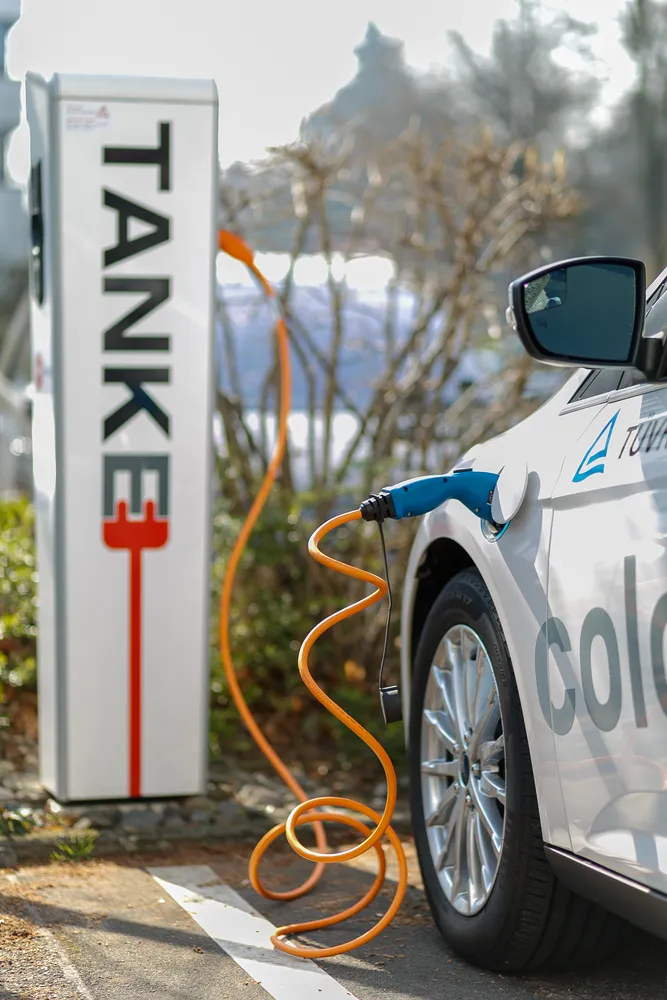 Photo: CEphoto, Uwe Aranas — CC BY-SA 3.0 (Wikimedia Commons)
With fuel prices rising this often, a lot of people are asking whether switching to an EV is worth it now. The short answer: the fuel cost gap widens in the EV's favor every time gas prices go up:
| Type | Approximate cost per km |
|---|---|
| Gasoline car (gasohol 95 at 38.29 THB/l) | ~2–3 THB/km |
| EV, charged at home overnight | ~0.5–0.9 THB/km |
| EV, charged at a fast-charging station | ~1.5–2.5 THB/km |
Example: driving 1,500 km/month, a gasoline car spends ~3,000–4,500 THB on fuel, while an EV charged at home spends only ~750–1,350 THB — a gap of thousands of baht per month for the same distance driven.
But overall value doesn't come down to fuel cost alone. It also depends on whether you have home charging (relying entirely on fast-charging stations narrows the gap considerably) and how you use the car (city and mid-range driving suits an EV far better than frequent long trips where you'd rather not plan charging stops), plus the purchase price and maintenance costs, which also differ. See the full, detailed comparison in EV vs Gasoline Car 2026: Which Is Actually Worth It, or run your own numbers with our free EV vs fuel cost and EV charging cost calculators. If you've decided you want to try an EV, see the best-value models under 1 million THB in Top 10 EVs Under 1 Million Baht 2026.
Verdict
This September 2026 fuel price increase really only costs a typical driver a low three-digit amount of baht more per month — nowhere near as painful as the headlines suggest. What genuinely drains your wallet is wasteful driving behavior, and that's fixable immediately at no extra cost: drive smoothly, keep speed at 80–90 km/h, check tire pressure regularly, and keep the air filter clean. Together, these four save more than the price increase costs you, several times over. If you want to cut fuel spending seriously for the long term, check whether an EV fits your usage pattern — the cost gap per kilometer only widens every time fuel prices rise.
Fuel prices quoted here are as of September 3, 2026, and can change daily with the global market. Always check the latest price with our today's oil price tool before deciding where to fill up.
Sources
- Thairath: today's fuel prices September 3, 2026, and the September 2, 2026 price increase announcement
- Thansettakij: today's/tomorrow's fuel prices 2026, PTT-Bangchak latest updates
- Toyota Leasing (Thailand): 5 fuel-saving driving techniques
- Grab Thailand: fuel-saving tips
- ejan.co: 7 fuel-saving driving tricks
Frequently asked questions
- How much did fuel prices actually rise in Thailand this September 2026?
- Effective 5 a.m. on September 2, 2026, gasoline/gasohol grades rose 0.60 THB per liter and diesel rose 0.75 THB per liter (some premium grades were held unchanged). As of September 3, gasohol 95 sits at 38.29 THB/liter and standard diesel at 39.14 THB/liter. Check live prices anytime with our [today’s oil price](/tools/oil-price) tool.
- Why did global oil prices go up this time?
- The main driver is rising Middle East tension between the US and Iran, which spooked markets over crude oil supply and pushed global crude prices higher in late August–early September 2026. Thai retail prices track global crude plus refining margins, so they adjust when the world price moves.
- Which fuel-saving technique saves the most?
- Based on measured data, smooth driving — no sudden acceleration or hard braking — gives the biggest saving, up to 40%. Next is keeping speed at 80–90 km/h (10–15% savings versus 100+ km/h), then keeping the air filter clean (up to 10% savings). All three cost nothing extra to do.
- Does filling up with premium-grade fuel (higher octane than the manual specifies) actually save fuel?
- No, not for most cars. If your manual specifies gasohol 91 or 95, filling with a higher grade (like ethanol-free gasoline 95) does not meaningfully improve fuel economy or power. You just pay more for nothing. The right grade is whatever the manufacturer specifies in the manual.
- Is switching to an EV worth it now that fuel prices are rising?
- The higher fuel prices go, the wider the cost gap in favor of EVs. A gasoline car runs about 2–3 THB/km, while an EV charged at home overnight runs about 0.5–0.9 THB/km. But overall value still depends on your usage pattern (city driving versus frequent long trips) and whether you have home charging. See the full comparison in [EV vs Gasoline Car 2026: Which Is Actually Worth It](/articles/ev-vs-gasoline-2026).
- Where can I check today’s fuel prices in real time?
- Use our [today’s oil price](/tools/oil-price) tool, which pulls prices from both PTT and Bangchak at once, compares both brands side by side, and shows tomorrow’s price when it has been announced.
Related articles
10 Best Electric Cars Under 1 Million Baht in Thailand (2026)
10 best-value EVs under 1 million baht in Thailand for 2026 — price, real-world range, battery specs, and home-charging cost, plus how to pick by budget.

10 Best Electric Scooters in Thailand 2026: Prices, Range & Real Savings
The 10 best electric scooters in Thailand 2026, compared by price, range, charging time and service network — plus real savings vs petrol.

EV vs petrol car 2026: which is cheaper for you?
A full comparison of electric vs petrol cars — cost per kilometre, maintenance, range, charging and who each suits.