Nan Travel Guide 2026: Wat Phumin, Doi Samer Dao, Bo Kluea, 3-Day Plan
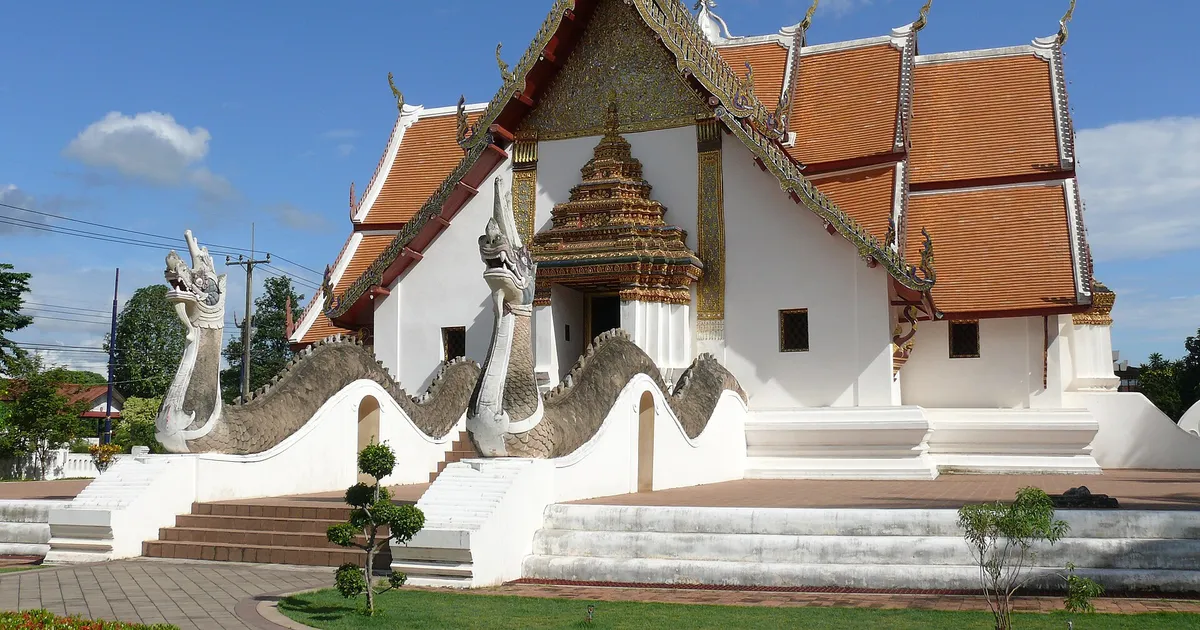
People call Nan "slow" in the best way: quiet roads, old temples, green ridges with mist, cafés in the middle of rice fields. In the cool season the sea of mist at Doi Samer Dao and the camping hills give people a reason to drive or fly over 600 km north. This guide puts it in one place: how to get there, when to go, where to go, costs we can actually source, and a 3-day 2-night plan. (For other mountain trips to compare, see Phu Kradueng and Chiang Khan–Loei.)
Where Nan is and how to get there
Nan sits at the far east of upper northern Thailand, on the Laos border, about 670 km from Bangkok (Highway 11 via Phitsanulok, Uttaradit and Phrae). Plan 8-9 hours with few stops.
| Option | Approx. time | Notes |
|---|---|---|
| Drive | 8-9 h | Mountain road at the end; leave in the morning, avoid night driving |
| Bus from Mo Chit 2 | 9-10 h | Old data (2021): from about 508 baht — current fares may differ |
| Flight BKK–Nan | about 1h30 | Nan Nakhon Airport; older data shows roughly 850-1,400 baht one way depending on airline and date |
| Train | — | No station in Nan; nearest is Phrae, about 90 km away |
From Chiang Mai it is about 5-6 hours by bus, and from Chiang Rai about 4-5 hours, so a Chiang Mai → Nan → Chiang Rai loop is easy (see cool-season trip ideas). For long drives from Bangkok, see road-trip planning.
On prices: the fares above come from older sources and are only a framing range. Around long weekends and New Year rooms rise and sell out; check the calendar in Thailand's 2027 long weekends and the holidays page.
When to go
- November-February — peak season. About 10-25°C, ideal for mist, camping and stargazing. Doi Samer Dao is busiest around New Year.
- March-May. Hot, around 30°C, with seasonal haze in some areas.
- June-October — rainy season. Showers are usually short and in the evening, days are mostly dry, terraces are green and crowds are thin — but mountain roads are slippery.
A sea of mist depends on cold, humid air and nobody can promise it. Sleeping at least one night on the hill raises your odds of a misty morning.
Nan town: one walkable day
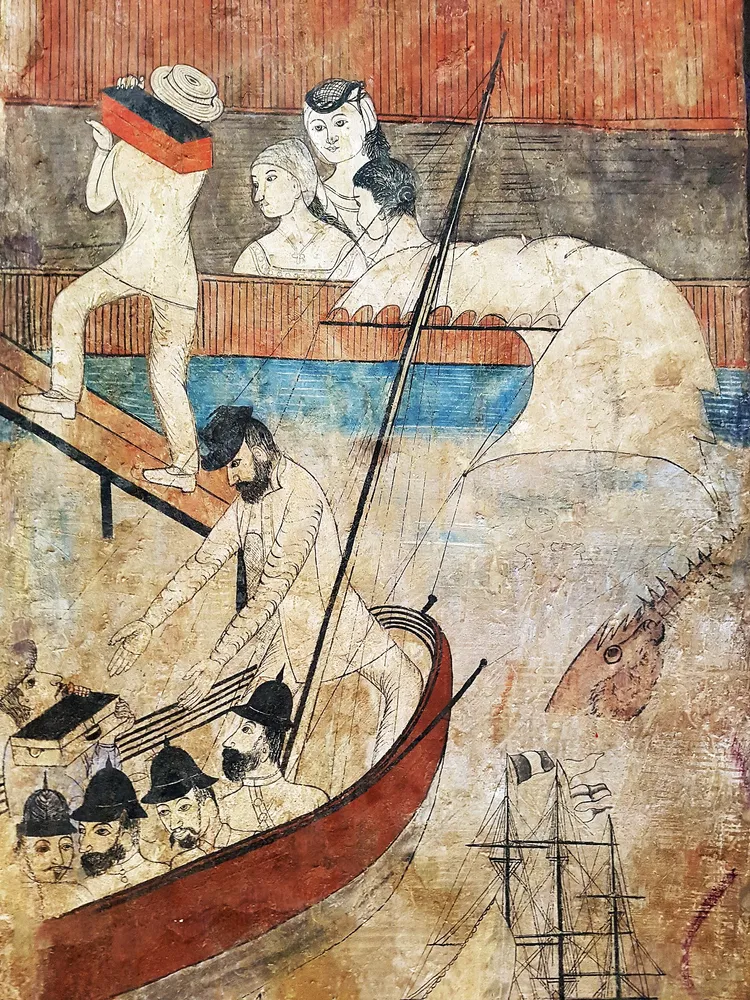
Photo: Wat Phumin mural — Wikimedia Commons, Creative Commons licence
Wat Phumin
Built in 1596 (BE 2139) according to travel sources, this is a rare cruciform ordination hall with four doors leading to four Buddha images. People come for the Tai Lue-style murals, above all the "Pu Man Ya Man" painting known as the Whispering Love mural. There is much more — detailed scenes of daily life and foreigners of the era. Give it 45-60 minutes; early morning or late afternoon has better light and fewer people.
Wat Phra That Chae Haeng
A golden chedi on a hilltop in Phu Phiang district, about 2 km from the centre. Said to be over 600 years old and to hold relics, it is visible from afar and a focus of local faith. Climb the naga staircase (about 289 steps) or check whether you can park at the top. Evening is cool and the view over town is good.
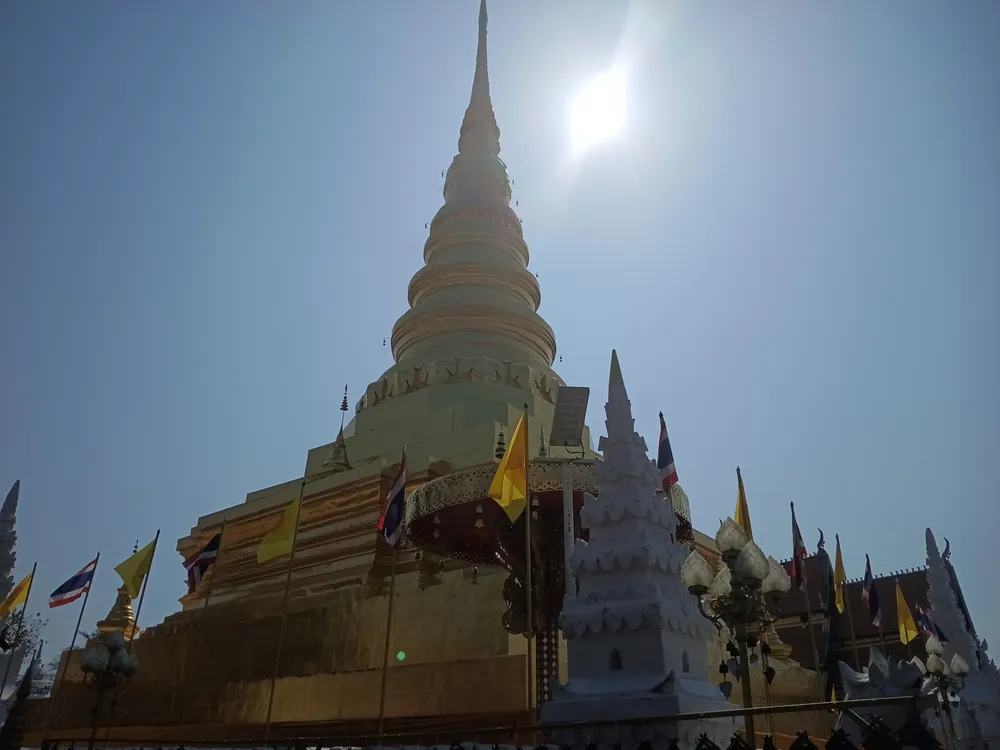
Photo: Phra That Chae Haeng — Wikimedia Commons, Creative Commons licence
Add-ons
- Wat Phra That Khao Noi — hilltop temple with a large walking Buddha and a town viewpoint; 303 naga steps, or drive up.
- Wat Ming Mueang (Suriyaphong Rd) — white temple with a mural inside.
- Hong Chao Fa Kham — 150-year-old Lanna wooden house, now a museum and ceremony venue.
- Town tram tour — runs on a schedule; ask about times and fares on site.
Doi Samer Dao: the camping hill
Doi Samer Dao (Na Noi district, Si Nan National Park area) is about 888 m high, a broad grassy slope that is easy to stroll — no hard climb. From late rainy season through the cool months people come for mist, sunset and stars.
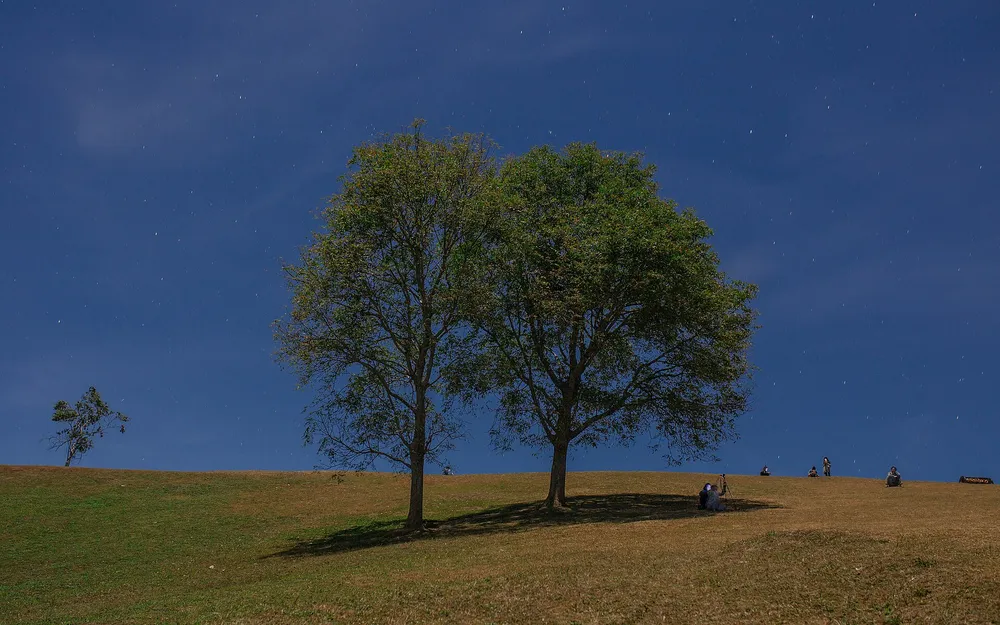
Photo: Doi Samer Dao — Wikimedia Commons, Creative Commons licence
Costs per the national park department:
| Item | Price |
|---|---|
| Tent pitch (Doi Samer Dao) | 30 baht / person / night |
| Park tent or dome tent rental | from 270 baht, sleeps up to 3 |
The page carries no update date, so confirm with Si Nan National Park and book ahead (online booking and walk-in both exist, but New Year fills first).
Pack: a proper warm jacket, sleeping bag (if not renting), headlamp, rubbish bags and water. Mornings are colder than expected; take your rubbish with you.
If you prefer a bed, glass-dome stays near the access road exist; one reviewed example is "Mon Chom Dao" (097 070 8999 per the review). Ask for current prices directly.
Bo Kluea, Sapan and Sao Din Na Noi
With more than three days, these are what make Nan different:
- Bo Kluea salt wells — a village still boiling salt from underground brine the traditional way: about 5 hours of boiling, then 36 hours of drying. By custom only men draw the brine, after praying at a nearby temple; women watch from a marked step. Salt and souvenirs are sold.
- Sapan village — a small village with a seasonal waterfall and mountain-view cafés such as Bo Kluea View and Yud Wela Cafe.
- Sao Din Na Noi — clay pillars shaped by rain and wind; in the cool season the dry forest turns yellow, red and orange against blue sky. Short walk.
- Pid Thong Lang Phra terraces (Chaloem Phra Kiat) — rice terraces from a royal project replacing upland farming.
- Doi Phu Kha National Park — forested mountains and waterfalls; home to rare serow and Siamese fireback pheasant.
- Nam Wa rafting (Mae Charim National Park) — about 60 km from town; the most adventurous option.
Pua and farmstays — slow-travel Nan
Pua is about an hour north of town: green hills and fields made for lingering. Reviewed examples:
- Dai Dip Dai Dee Farmstay (Sila Laeng, Pua) — 1,000 baht per person including stay and activities (oxcart, buffalo ride, herbal steam); charcoal-oven pizza limited to 20 trays a day, pre-order. Check current rates.
- Ban Thai Lue Café — riverside café with Tai Lue weaving, open 09:00-18:00.
- Cocoa Valley — chocolate from local cacao, open 10:00-18:00, views of Doi Phu Kha.
Opening hours and menus change; phone ahead, especially for small places outside town.
3-day 2-night plan
| Day | Morning | Afternoon | Evening / stay |
|---|---|---|---|
| 1 | Arrive in Nan (fly or drive), drop bags | Wat Phumin → Wat Ming Mueang → Hong Chao Fa Kham | Stay in town; evening walk/market |
| 2 | Wat Phra That Chae Haeng → Khao Noi | Drive to Pua; cafés and farmstay | Stay in Pua, or head to Doi Samer Dao camping |
| 3 | Morning mist (if on the hill) | Desserts and coffee in town, buy souvenirs (Bo Kluea salt) | Head home; check flight time |
With four days, add one for Bo Kluea–Sapan–Sao Din Na Noi. Don't cram it all into three: mountain roads twist and real times exceed the map.
Budget, roughly
We have no fully verified all-in total, so here is only what is known:
- Travel: flight/bus as above (older data), or fuel and tolls if driving.
- Car or van with driver: varies by provider and season; get 2-3 quotes.
- Doi Samer Dao tent: 30 baht/person/night + rental from 270 baht.
- Pua farmstay: example 1,000 baht per person with activities.
- Town hotels: older data from about 1,500 baht/night (2 people); current rates vary by season.
A safe method: add your verified transport and lodging, then pad food and in-province fuel by about 20-30% — distances in Nan are longer than they look.
Common mistakes
- Booking late in the cool season — good rooms and tent pitches sell out weeks before New Year.
- Underestimating drive times — mountain roads aren't highways; add 30-50%.
- Too few layers for the morning on the hill — nights are colder than most expect.
- Dressing casually in temples — dress modestly, remove shoes, keep voices down.
- Driving mountain roads at night — low visibility, bends and animals.
Verdict
Nan suits people who like slow travel, culture and nature; it is not for ticking off many sights in a day. With 3 days, take town + Doi Samer Dao + Pua; with 4-5, add Bo Kluea and Sapan. Go November-February and book ahead. If you travel by EV, plan the route with our EV trip planner.
Sources
- Shopee Blog — Nan attractions: https://shopee.co.th/blog/nan-attractions
- Trip.com — Nan 3 days 2 nights review: https://th.trip.com/guide/info/3+days+2+nights+nan.html
- Inside The Travel Lab — Best things to do in Nan: https://www.insidethetravellab.com/best-things-to-do-in-nan-thailand/
- Department of National Parks (Doi Samer Dao tent fees) plus TrueID/Lazada travel pieces found via search. Data as of October 2026.
Frequently asked questions
- When is the best time to visit Nan?
- November to February: cool (roughly 10-25°C), clear skies, best for sea-of-mist views and camping. March-May is hot at around 30°C, and June-October is the rainy season with short evening showers, fewer crowds and cheaper rooms.
- How long does it take to get to Nan from Bangkok?
- About 8-9 hours by car (roughly 670 km), 9-10 hours by bus from Mo Chit 2, or about 1 hour 30 minutes by plane to Nan Nakhon Airport. Nan has no railway station; the nearest is Phrae, about 90 km away.
- Do I need a car in Nan?
- You do not need to drive from Bangkok, but you want wheels once there: sights outside town are far apart. Self-drive rental or a van with a driver both work; prices vary by season, so get quotes.
- How much does camping at Doi Samer Dao cost?
- The national park department lists 30 baht per person per night for a pitch and tent rental (park tent or dome) from 270 baht, sleeping up to 3. Prices can change — confirm with the park.
- How many days do I need?
- Three days and two nights covers town, Pua and Doi Samer Dao. Add a fourth day if you want Bo Kluea, Sapan or Doi Phu Kha, because mountain roads are slow.
Related articles
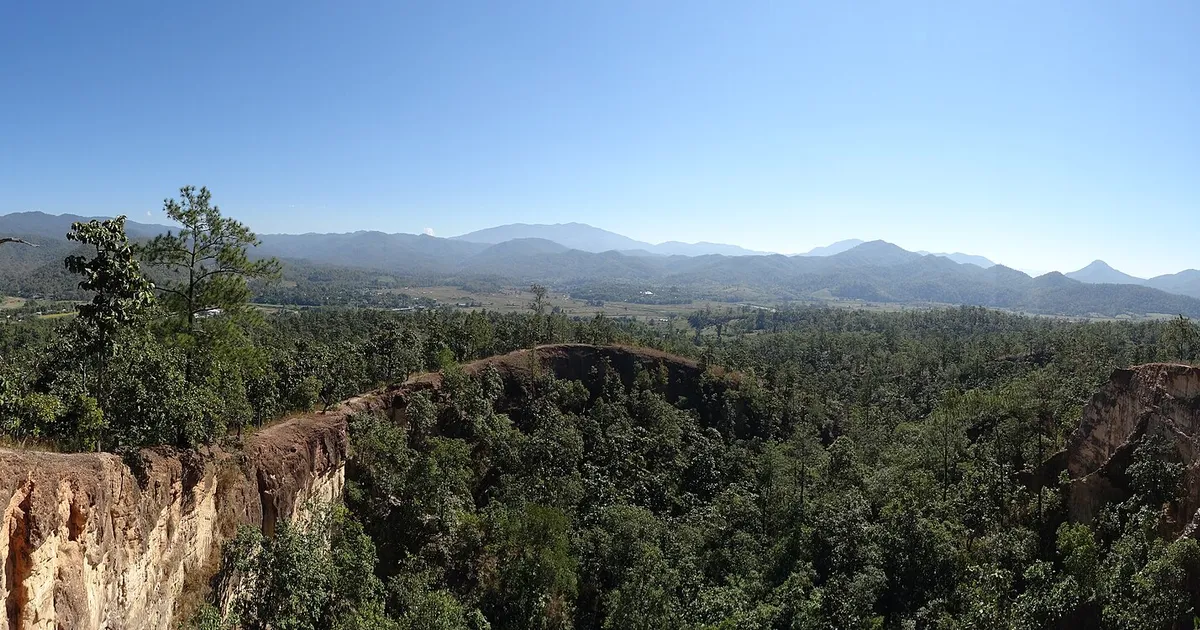
Pai, Mae Hong Son Travel Guide 2026: Sights, Stays & 3-Day Plan
Complete 2026 guide to Pai, Thailand: the 762-curve drive, must-see sights, stays for every budget, real costs, and a working 3-day itinerary.

Chiang Rai Travel Guide 2026: 3 Days 2 Nights, White Temple & More
Chiang Rai travel guide 2026 — 3-day 2-night itinerary, entrance fees, budget breakdown, accommodation, restaurants and rainy-season tips.
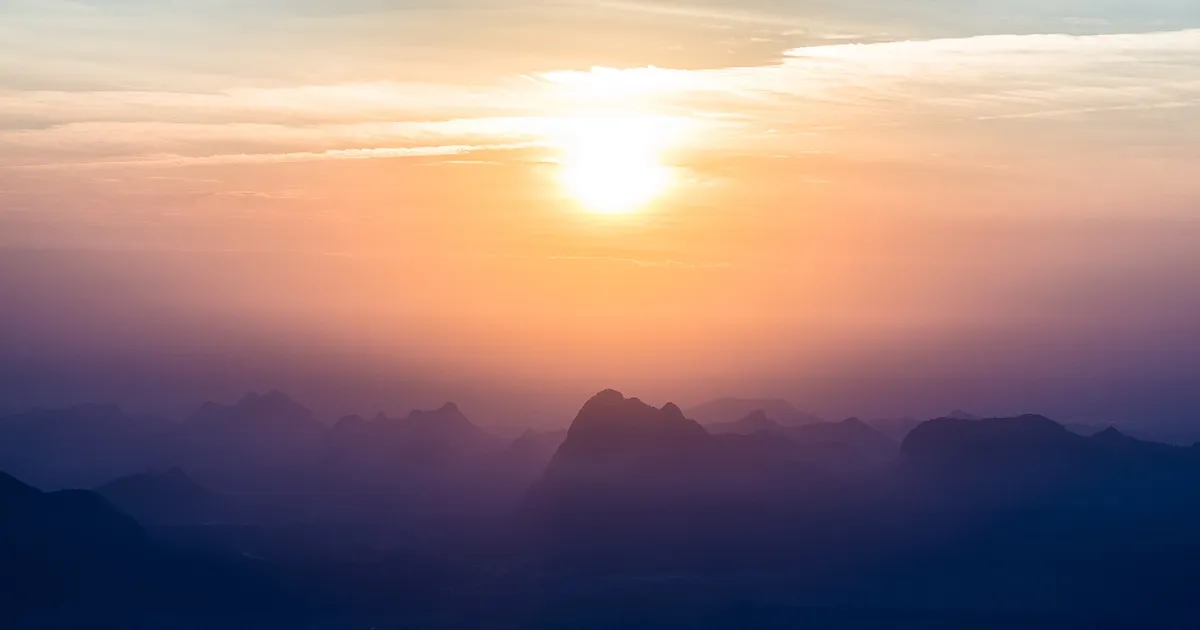
Phu Kradueng 2026-27 Guide: Trail, Costs, 2-Day 1-Night Plan
Phu Kradueng is open 1 Oct 2026 – 31 May 2027. Trail distances, entry times, viewpoints, costs, booking and a 2-day 1-night plan for the summit hike.